Home Blog Page 5

Hunter x Hunter Review (2025): Why HxH is Still the Best Anime

0

Hunter x Hunter is an awesome shonen anime that grabs you with its exciting story, cool characters, and a world that feels super alive. I found it during a late-night anime binge, and by the Hunter Exam arc, I was hooked, cheering for Gon’s big dreams and Killua’s loyal heart. As a huge fan, let me explain why this show is so great, covering the story, characters, episodes, and how it compares to other versions. Trust me, Hunter x Hunter is a fun ride you’ll love!
Hunter x Hunter is a fun ride you’ll love

Introduction to Hunter x Hunter

Hunter x Hunter comes from Yoshihiro Togashi’s amazing manga, and it’s a shonen anime that breaks all the rules with its smart story and surprises. The 2011 version by Madhouse, which ran from October 2011 to September 2014 with 148 episodes, is the best one. It sticks close to the manga and has bright, smooth animation and a great soundtrack. The 1999 version had 62 episodes and a darker feel, but the 2011 one is more complete with better pacing. What makes it special is how it mixes action, big ideas, and a world that feels huge and full of secrets.

The animation is colorful and exciting, especially in battles, and the voice acting (both Japanese and English) makes every character feel real. From Gon’s happy energy to Hisoka’s creepy vibe, it’s all spot-on. Togashi created a world where every choice matters, and Madhouse brings it to life perfectly, making Hunter x Hunter stand out in the shonen crowd.

Hunter x Hunter: Plot Summary and Themes

Hunter x Hunter follows Gon Freecss, a cheerful kid from Whale Island who wants to be a Hunter, a pro who finds rare things like treasures or animals in a dangerous world. His main goal is to find his dad, Ging, a famous Hunter who’s hard to track down. What starts as a simple adventure grows into a huge story with arcs like the tough Hunter Exam, the intense Yorknew City gang fights, the super emotional Chimera Ant arc, and hints of the mysterious Dark Continent. Each arc feels like its own big adventure, connected by Gon’s journey and his friendships.
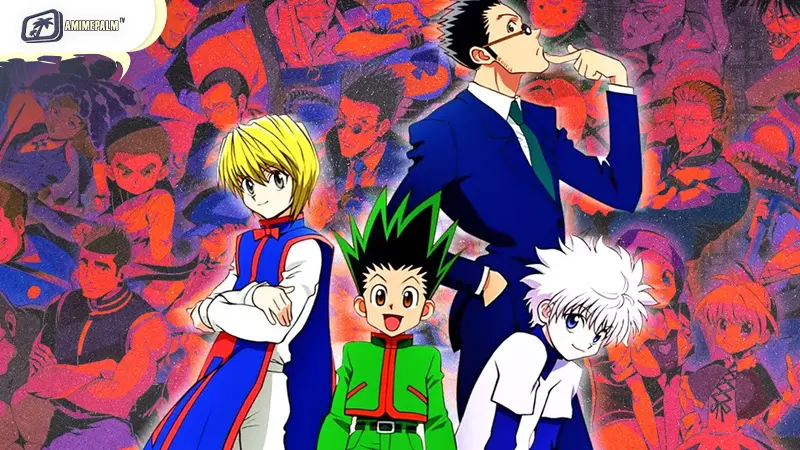
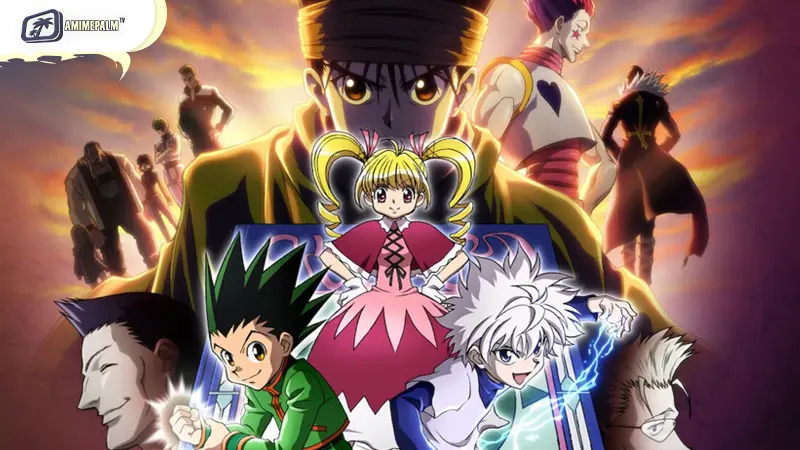
Hunter x Hunter follows Gon Freecss, who wants to be a Hunter

The story builds so well, you start with Gon taking a crazy test, then you’re deep in a crime war or facing scary ant creatures that make you think about what it means to be human. The pacing is great, mixing fast action with calm moments that hit hard. The Dark Continent tease at the end makes you want more.

The show’s themes are awesome. Friendship is huge, Gon and Killua’s bond is so strong, but it gets tested. Ambition shows up in Gon’s dreams and Kurapika’s need for revenge. Power comes through Nen, a cool magic-like system, showing how strength can be good or bad. Right and wrong get blurry, villains like Hisoka and Meruem make you wonder who’s really bad. The show doesn’t tell you what to think; it just shows you tough situations. As a fan, I love how it makes me think about real stuff like goals and loyalty without being preachy.

Characters in Hunter x Hunter

Hunter x Hunter main characters are amazing, real, flawed, and easy to care about. Gon Freecss is a happy, stubborn kid who grows into someone dealing with anger and loss. His journey is super gripping. Killua Zoldyck, his best friend and a former assassin, is awesome with his sad past and big heart. His growth, learning to value himself, is one of the best parts.

Kurapika, the last of his clan, is driven by revenge, with cool chain powers and a heavy heart. Leorio, who wants to be a doctor, feels like a big brother with surprising depth. Their group feels like real friends with different goals. Other characters like Bisky, a tiny but tough trainer, and Kite, Gon’s mentor with a sad story, add so much to the show.
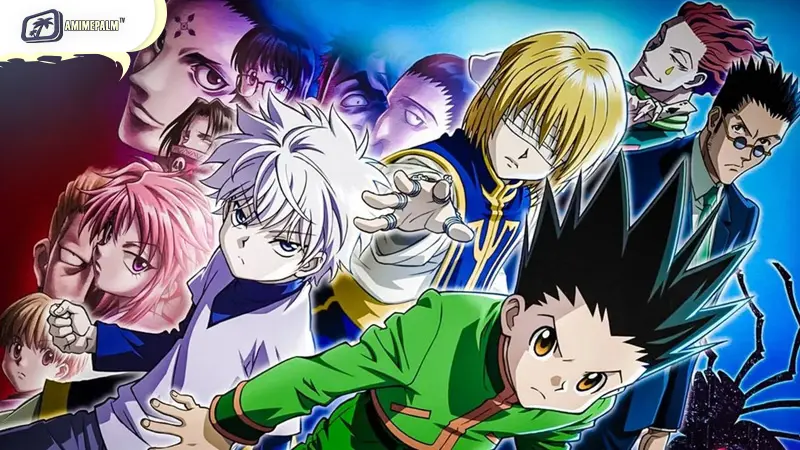
Hunter x Hunter characters are amazing, real, flawed, and easy to care about

The bad guys are wild. Hisoka, a creepy magician who loves fighting, is scary but cool. Chrollo, the Phantom Troupe’s leader, is mysterious and tough. The Chimera Ant arc has Meruem, a super strong ant king who changes in ways that break your heart, and Pitou, who’s creepy but loyal. Feitan, Machi, and others in the Troupe are intense, while Palm and Gyro add weird and dark vibes. Every character grows, and their friendships, fights, and betrayals drive the story. Killua’s my favorite for his quiet strength, but Kurapika’s pain and Hisoka’s wild energy keep me watching.

Hunter x Hunter: Episode Structure and Availability

Hunter x Hunter’s 148 episodes flow like a fun rollercoaster, split into arcs that keep you hooked. The Hunter Exam arc starts with tough tests and cool characters. Yorknew City feels like a crime movie, and Greed Island mixes games with big fights. The Chimera Ant arc, a huge 60-episode story, starts small and ends with crazy stakes, mixing scary, sad, and hopeful moments. The Election arc wraps things up with politics and emotional endings, leaving you curious about the Dark Continent.

The pacing is perfect, action hits hard, but quiet moments, like Gon and Killua’s talks, are just as good. Cliffhangers make you want to keep watching (I stayed up late for Chimera Ant!), but each episode works alone too. It’s great for rewatching, you notice new details like Nen tricks or character choices. You can watch it on Netflix, Crunchyroll, or Hulu, with great sub and dub options, the English dub makes Gon and Hisoka shine. Hunter x Hunter merch, like figures and clothes, is easy to find online, and Blu-rays look amazing for collectors. The episode count? 148 for the full adventure.

Hunter x Hunter: Comparison with Other Versions or Anime

The 1999 Hunter x Hunter anime, with 62 episodes, covers up to Yorknew City with a darker, rougher style and some extra scenes. The 2011 version is better with sharper animation, faster pacing, and more arcs, like the epic Chimera Ant story. The 1999 one has fans for its gritty feel, but 2011 feels more complete and true to the manga. The manga is still going, but slowly because of Togashi’s health, so the 2011 anime stops before the full Dark Continent story but nails everything it covers.
Compared to other shonen, Hunter x Hunter is super smart

Compared to other shonen, Hunter x Hunter is super smart. Unlike Naruto’s big heart or Bleach’s cool style, it mixes action, strategy, and tough questions. The Nen system is like a brainy game, and arcs like Chimera Ant tackle heavy stuff, war, identity, humanity, that most shonen skip. The 1999 version is darker, but 2011’s mix of fun and hope makes it easier to binge. Start with 2011 for the best experience; check out 1999 later if you want a different take.

Why Hunter x Hunter Matters

Hunter x Hunter is shonen at its best, smart, emotional, and bold. Fans and critics love it (9.0+ on MAL) for its huge world and characters you can’t stop rooting for. It pushes limits, diving into friendship, power, and right vs. wrong in ways that stick with you. The Chimera Ant arc changed anime with its deep, emotional story. It’s inspired tons of shows and raised the bar for storytelling.

If this review makes you want to jump into Gon’s world, grab a snack and start watching, Hunter x Hunter will blow you away! For more anime news, reviews, and updates, visit AnimePalm
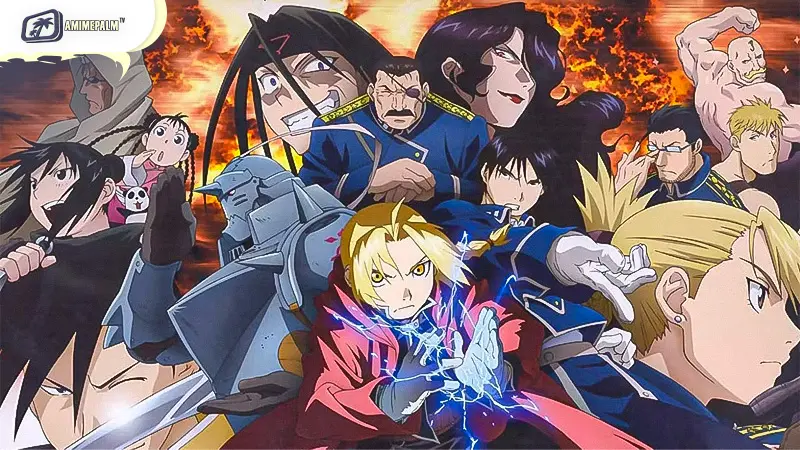
Fullmetal Alchemist: Brotherhood Review – Is It the Best Anime?

0

Fullmetal Alchemist: Brotherhood is straight-up one of the best anime I’ve ever watched, it’s got heart, action, and twists that still give me chills years later. I remember discovering it during a late-night binge session, and by episode 4, I was hooked, yelling at the screen over the brothers’ tragic backstory. If you’re new to it or revisiting, let me geek out as a real fan and break it down based on what makes it so epic. We’ll cover the basics, plot, characters, episodes, and how it stacks up against the original. Trust me, this one’s a masterpiece.

Introduction to Fullmetal Alchemist: Brotherhood

Fullmetal Alchemist: Brotherhood is the faithful anime adaptation of Hiromu Arakawa’s killer manga, and boy, does it deliver. Produced by Studio Bones, it aired from April 2009 to July 2010 with a total of 64 episodes that stick super close to the source material. What stands out is the top-notch animation, those alchemy fights look insane, and the deep themes that make you think long after it’s over. Unlike the 2003 Fullmetal Alchemist anime, which went its own way halfway through and had a different ending, Brotherhood follows the manga to a T, giving us a more complete, satisfying story. The original was cool in its own right, but Brotherhood feels like the definitive version, with better pacing and no filler detours.

Fullmetal Alchemist: Brotherhood is one of the best anime of all time

As a fan, I always recommend starting here if you’re new, it’s got that perfect mix of humor, drama, and epic battles. The decision to make Brotherhood after the original anime was risky, but it paid off spectacularly. Studio Bones assembled a team that understood Arakawa’s vision perfectly, translating the manga’s emotional beats and complex mythology onto screen without losing anything in translation. The voice acting is phenomenal in both Japanese and English, the soundtrack is absolutely stellar, and the animation style perfectly captures the show’s tonality, everything from quiet character moments to explosive alchemical reactions feels perfectly realized.

What really impressed me rewatching it recently is how well the show respects your intelligence. It doesn’t over-explain things; it trusts you to keep up with the complex lore surrounding alchemy, the political machinations, and the overarching conspiracy. That said, it’s never confusing or opaque, the writing is just tight and efficient. Every episode builds on what came before, and by the time you reach the finale, you’ll realize how meticulously crafted the entire narrative structure is.

Plot Summary and Themes

Set in the steampunk-ish country of Amestris, where alchemy is basically science with rules, the story follows brothers Edward and Alphonse Elric on a quest for the Philosopher’s Stone. After a botched attempt to bring back their mom through human transmutation, big no-no in alchemy, Ed loses an arm and leg, and Al’s soul gets stuck in a suit of armor. They’re out to fix themselves, but it spirals into a massive conspiracy involving creepy Homunculi, corrupt State Military folks, and this shadowy “Father” pulling strings.

The beauty of Brotherhood’s plot is how it manages to be simultaneously intimate and epic. What starts as a personal tragedy, two brothers trying to undo their mistake, gradually expands to encompass wars, government conspiracies, and the very nature of humanity itself. The pacing of these revelations is masterful. You’ll be watching what seems like a self-contained episode, only to have it connect to a larger pattern you hadn’t noticed. The show trusts its audience to piece things together, rewarding careful observation with “aha” moments that feel satisfying.

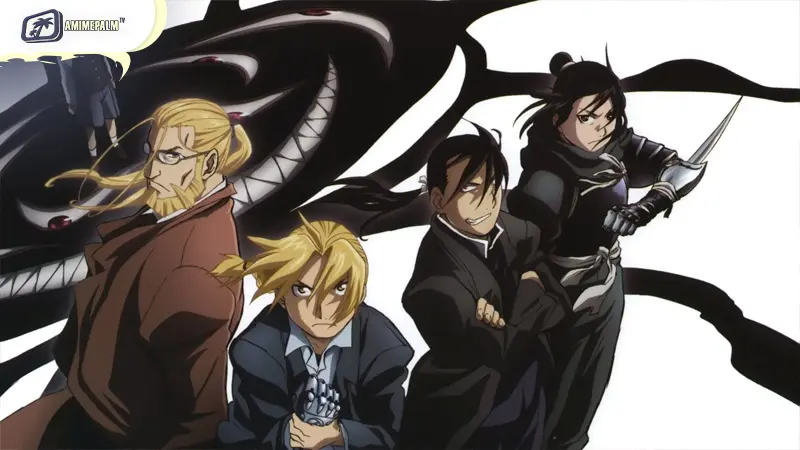
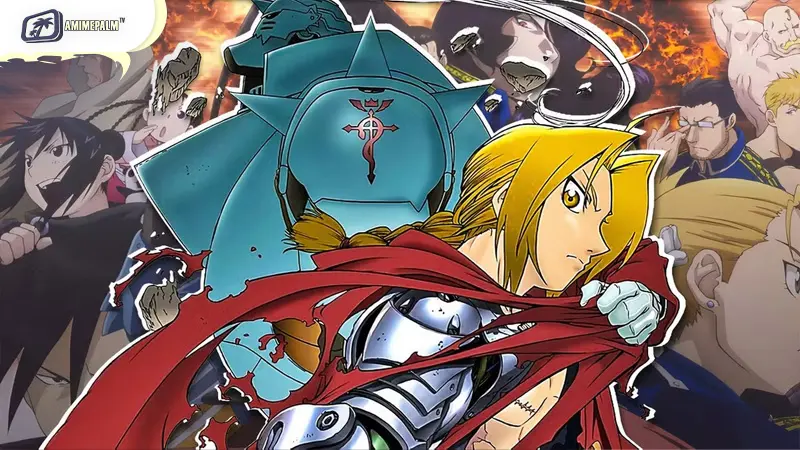
Fullmetal Alchemist: Brotherhood follows brothers Edward and Alphonse Elric

Themes are what make it shine: equivalent exchange (you can’t get something without giving up equal value) hits hard, showing the costs of ambition. This isn’t just a magic system rule; it’s a philosophical statement about the world. Everything has a price, and the series constantly explores what those prices are and whether they’re worth paying. Sacrifice, brotherhood, Ed and Al’s bond is unbreakable, and the gray areas of right and wrong keep you hooked. Their journey uncovers wars, genocide, and power grabs, turning a personal story into a world-shaking epic.

I love how it builds from small-town vibes to all-out chaos; as a fan, it made me reflect on real-life stuff like war and ethics without feeling preachy. The show never lectures you, it simply presents situations and lets you draw your own conclusions. It explores war through the Ishvalan conflict, where neither side is completely right or wrong. It examines ambition and its corrupting influence through multiple characters who want different things but are willing to compromise their principles. It questions what it means to be human through the Homunculi and their struggles for identity.

Characters of Fullmetal Alchemist: Brotherhood

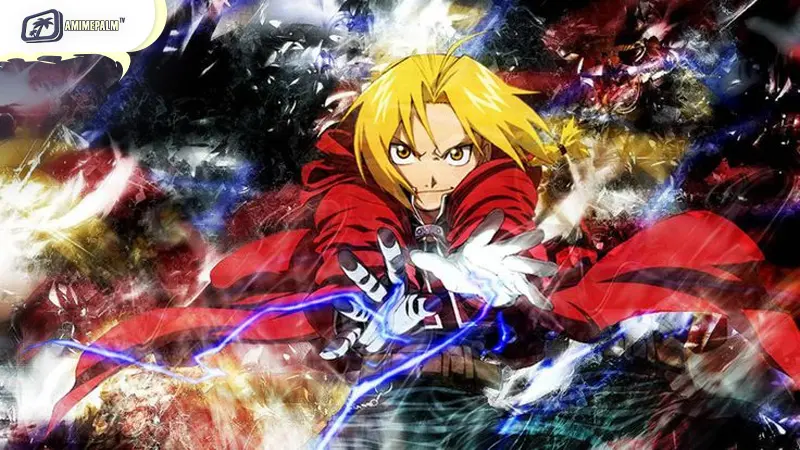
The characters in Fullmetal Alchemist: Brotherhood are gold, complex, relatable, and they grow so much it hurts. Edward Elric, the short-tempered “Fullmetal Alchemist,” is our hot-headed protag with a heart of gold, always fighting for his brother. What makes Ed compelling is his evolution from a desperate kid willing to cross any line to a young man learning that some boundaries exist for good reasons. His intellect is never in question, he’s a prodigy alchemist, but his wisdom comes harder, through bitter experience and mistakes.

Alphonse Elric, trapped in armor but super kind, balances Ed’s fire with wisdom; their sibling dynamic is the show’s soul. Al’s situation creates constant existential dread for him, he can’t taste food, feel physical sensation, or even verify that he still has a soul. Despite this, he remains the emotional anchor of the series, often being the voice of morality and compassion when Ed gets too caught up in solutions. Their relationship is the heart of everything, and watching it tested throughout the series is genuinely gut-wrenching.

Winry Rockbell, their childhood pal and automail whiz, brings the feels with her tough love and emotional support, she’s not just a side character, she’s family. Winry could’ve been a mere love interest, but the show gives her agency, dreams, and her own emotional journey. Her role as the Elric brothers’ anchor to normalcy is crucial, and her development from the grieving girl we meet to a confident woman is beautiful to watch.

Fullmetal Alchemist: Brotherhood characters are gold, complex, relatable

Allies like Roy Mustang, the slick Flame Alchemist aiming for the top of the military, add strategy and cool fire snaps. Roy seems like a stereotypical charming military guy initially, but he’s so much more, his ambitions, his methods, and his friendships all come under scrutiny. There’s real complexity in how the show presents his character arc. Maes Hughes is the ultimate dad friend, loyal to a fault, and his story wrecked me every rewatch. His introduction seems cheerful and comedic, but his character serves a deeply tragic purpose in the narrative.

On the antagonist side, Scar, the scarred Ishvalan seeking revenge, starts as a villain but gets layers that make you sympathize. Scar represents the cycle of violence and hatred that pervades the series, he’s a victim who becomes a perpetrator, and the show doesn’t shy away from exploring that moral complexity. King Bradley (aka Wrath) is a beast in fights, hiding his Homunculus side as Amestris’ leader. What’s fascinating about Bradley is how the show explores whether his superior abilities make him a better leader or just a tyrant with more power. Kimblee, the psycho Crimson Alchemist, loves explosions and chaos, while Van Hohenheim, the bros’ absent dad, has a tragic past tied to the whole mess. Van Hohenheim’s inclusion in the narrative is particularly brilliant, what could have been a simple absent father figure becomes something far more complex and tragic.

Development is chef’s kiss: relationships evolve through betrayals, alliances, and heart-to-hearts. Motivations feel real, revenge, redemption, power, and the bonds, like Ed and Winry’s slow-burn romance or Mustang’s crew loyalty, keep it grounded. As a fan, Roy Mustang is my fave for his swagger, but Scar’s arc? Pure redemption gold. The way the show handles redemption arcs in general is noteworthy, it’s never simple or quick. Characters have to genuinely reckon with their past actions and work to earn forgiveness.

Episode Structure and Availability

Fullmetal Alchemist: Brotherhood packs 64 episodes into one seamless season, no multi-season splits here, just straight storytelling. The episode list flows through arcs like the early East City setup, the brutal Ishvalan War flashbacks (so intense), the creepy Lab 5 horrors, and the massive Promised Day finale where everything explodes. Each arc builds on the last, creating a narrative momentum that never really lets up.

The early episodes introduce you to the world and the brothers’ immediate goals, establishing the rules of alchemy and the basic conflict. The middle section expands outward, introducing the conspiracy and more characters, deepening your investment in the world. The final arc is a masterclass in convergence, everything you’ve learned comes together in ways that feel inevitable yet surprising.

Fullmetal Alchemist: Brotherhood packs 64 episodes into one seamless season

Pacing is spot-on: action-packed fights mix with quieter character moments and plot reveals, never dragging. It’s binge-friendly, with cliffhangers that had me clicking “next” at 3 AM. The show respects both styles of watching, it works great for binge sessions because the pacing keeps you engaged, but individual episodes also stand on their own if you prefer watching more slowly.

You can stream it on Netflix, Crunchyroll, or Hulu in most places, with sub and dub options, the English dub is fantastic, btw. The English voice cast brings real personality to the characters, and the localizations feel natural rather than stilted. DVD/Blu-ray sets are out too for collectors, and they look gorgeous if you want to experience the show in high quality. If you’re hunting the Fullmetal Alchemist: Brotherhood how many episodes question, yeah, 64 is the magic number for the full ride.

Comparison with Original Fullmetal Alchemist Anime

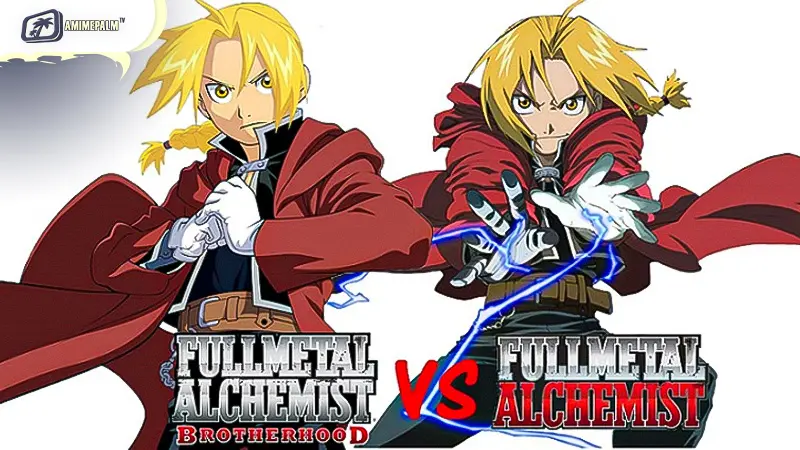
Ah, the big debate: Fullmetal Alchemist: Brotherhood vs Fullmetal Alchemist. The 2003 original (51 episodes) starts similar but diverges midway since the manga wasn’t done, creating its own plot with a darker, more existential tone and a wild ending involving parallel worlds. The original feels like a high-concept science fiction story at times, whereas Brotherhood is more grounded fantasy. Both approaches have merit, and honestly, fans still debate which is superior over a decade later.

Brotherhood sticks to the manga, so plot progression feels more epic and resolved, with better character fates that align with Arakawa’s vision. The original series had to make major structural changes and introduce new characters and plot threads that the manga never had. This gives the original its own identity, but it also means some plot threads feel incomplete or the pacing gets weird in places where the story had to diverge.

Tone-wise, the original is broodier and focuses on horror elements, while Brotherhood balances humor and hope. The 2003 series leans into body horror and existential dread, making it feel more oppressive overall. Brotherhood has those elements too, but it balances them with genuine moments of levity and hope. This makes Brotherhood more emotionally sustainable as a viewing experience, it doesn’t feel relentlessly bleak, even when dealing with heavy topics.

Critically, Brotherhood scores higher (like 9.1 on MAL) for its completeness, but the original has fans for its unique twists. Many people who watched the original first have deep nostalgia for it, and there are aspects of its storytelling that some prefer. The parallel universe concept and some of the original characters have their defenders.

Fullmetal Alchemist: Brotherhood vs. Fullmetal Alchemist debate is hot topic

As someone who’s seen both, I prefer Brotherhood for the true story, but recommend the original if you want a different take after. Newbies? Start with Brotherhood, it’s the full package without confusion. You get the complete story, the proper character arcs, and the ending Arakawa intended. If you fall in love with the series, watching the original afterward becomes a fascinating exploration of “what if” storytelling.

Why This Show Matters

Fullmetal Alchemist: Brotherhood represents anime at its best, smart writing, beautiful animation, compelling characters, and thematic depth. It’s not just entertainment; it’s art that makes you think about morality, consequence, and what it means to be human. The show respects its audience’s intelligence and emotional investment, delivering payoffs that feel earned.

If this review has you itching to clap your hands and transmute some time into watching, dive in, Fullmetal Alchemist: Brotherhood changed how I see anime! For more anime news, reviews, and updates, head over to AnimePalm, they’ve got the latest on all your favorites.

Death Note Relight 2 – L’s Successors: Wrapping Up Kira’s Reign

0

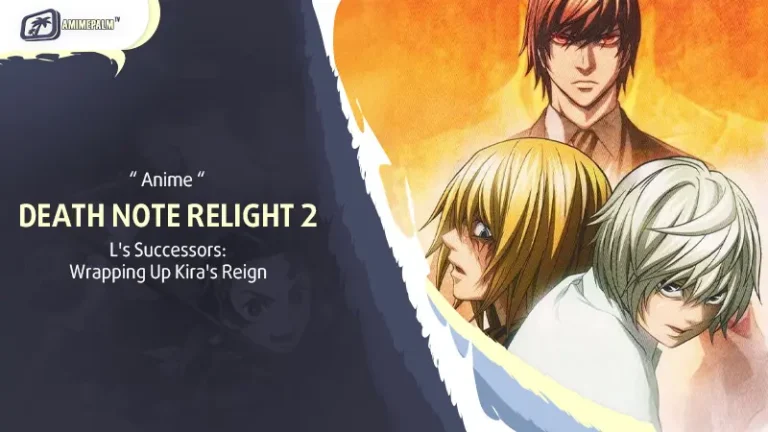
As a lifelong Death Note enthusiast, Death Note Relight 2 L’s Successors hits different — it’s like condensing the chaotic second half of the series into a sharp, emotional finale that still gives me goosebumps. While the first Relight centered on the legendary Light vs. L showdown, this follow-up picks up the pieces and races through the successors’ saga with Near and Mello taking the spotlight. If you’re a fan craving a faster revisit or curious about how this version tweaks the Near-Mello drama, I’ve got you covered. In this review, I’ll break down what Death Note Relight 2 L’s Successors brings to the table — from story and characters to voice cast, reviews, and where to watch — all from someone who’s rewatched it more times than I’d like to admit.

Introduction to Death Note Relight 2

Death Note Relight 2, officially titled “L’s Successors,” is the second recap film that boils down the latter half of the original Death Note anime into a single, intense package. Released in 2008 as a TV special in Japan, it covers episodes roughly 26-37, shifting the spotlight to the post-L era where Light’s Kira empire faces new threats. The purpose? It’s a condensed retelling for fans wanting a refresher or newcomers skipping the full series, with added flair to make it feel cinematic rather than just clipped episodes.

Death Note Relight boils down the latter half of the original Death Note

The format streamlines the storytelling, highlighting key events like Light’s temporary memory loss resolution, the rise of the successors, and the explosive final confrontations. Major plot points include Mello’s mob dealings, Near’s SPK investigations, the kidnapping arcs, and Light’s ultimate downfall, emphasizing the successors’ cat-and-mouse games with Kira. But it skips some filler-ish bits, like extended task force debates, to keep the pace breakneck.

Differences from the original anime episodes are notable: this version packs in more original footage than the first Relight, including unseen dynamics between Near and Mello that add depth to their rivalry. There’s new scenes like a cooler L speech at Wammy’s House, gorier Sakura TV killings, and an intensified SPK massacre that amps up the tension. The framing is from the Shinigami realm again, with Ryuk narrating to keep that meta vibe, but it takes more creative liberties to improve on the anime’s sometimes criticized second arc. As a fan, I love how it makes the successors feel more integral, though it can feel rushed if you’re attached to the slower build-up in the episodes.

L’s Successors in Death Note Relight 2

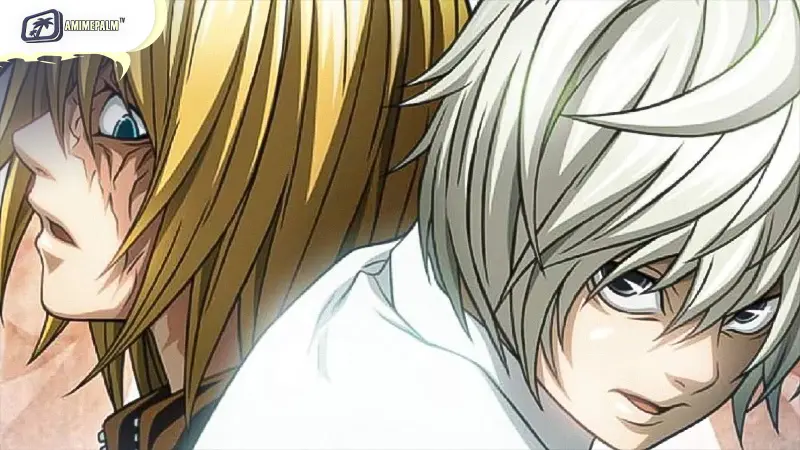
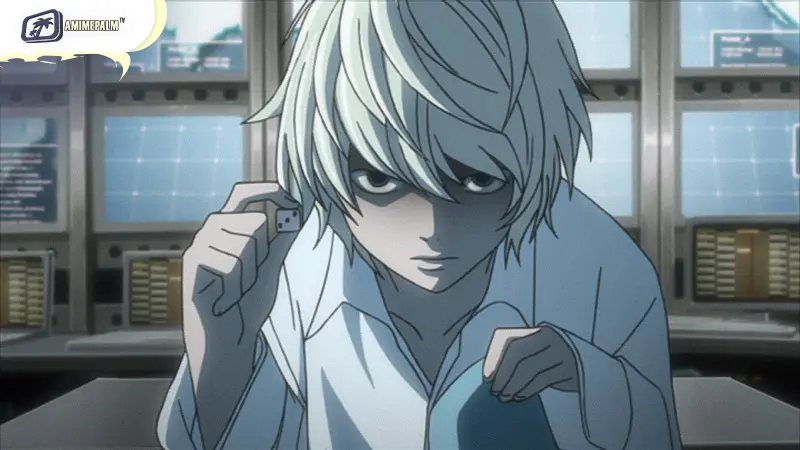
The heart of Death Note Relight 2 revolves around L’s successors: Near (Nate River) and Mello (Mihael Keehl), the brilliant orphans groomed at Wammy’s House to follow in L’s footsteps. Near is portrayed as the calm, toy-obsessed strategist, methodical and detached, piecing together clues with his white hair and puzzle-solving quirks. Mello, on the other hand, is the hot-headed chocolate addict, driven by ego and willing to dive into the criminal underworld for an edge. Their motivations? Both want to surpass L and catch Kira, but Near plays the long game while Mello risks everything for quick wins, creating a tense split in their approaches.

Death Note Relight 2 revolves around L’s successors: Near and Mello


In this relight movie, their roles are beefed up with new footage that highlights their personalities and conflicts more vividly, like expanded scenes of Mello’s mob alliances and Near’s SPK operations. Compared to the original anime and manga, the portrayals are similar but tightened: the anime’s drawn-out arcs get compressed, making Mello’s impulsiveness pop more dramatically, and Near’s intellect feels sharper without as much setup. Some fans argue it improves on the manga’s subtleties by adding visual flair, though purists miss the deeper internal monologues.

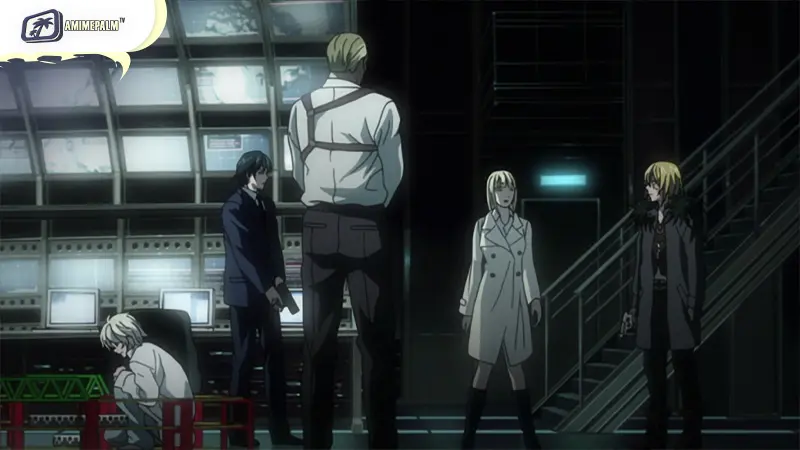
Their significance? They’re crucial to the plot post-L’s death, leading the investigation that unravels Light’s plans, Near’s deductions and Mello’s sacrifices force the final confrontations. Key scenes include Mello’s explosive warehouse showdown, Near’s helicopter gambit, and their indirect collaboration that seals Kira’s fate. Fan impact is huge; while the successors’ arc divides the fandom (some prefer the L era), Relight 2’s tweaks have won over skeptics by making them more dynamic. Audience opinions often praise the character depictions for adding intensity, but criticize if it skips too much emotional buildup, personally, I think it redeems the second half for binge-watchers.

Cast and Voice Acting Focused on L’s Successors

The voice acting in Death Note Relight 2 stays true to the original anime’s excellence, with special focus on L’s successors. In the Japanese version, Noriko Hidaka voices Near, bringing a soft, eerie detachment that fits his childlike yet genius demeanor perfectly, it’s consistent from the series, no changes here. Nozomu Sasaki handles Mello, infusing him with raw energy and frustration that captures his volatile personality spot-on.

The voice acting in Death Note Relight 2 stays true to the original anime's excellence
The voice acting in Death Note Relight 2 stays true to the original anime’s excellence

For the English dub, Cathy Weseluck reprises Near, with her youthful, monotone delivery adding to his enigmatic vibe, while David Hurwitz (sometimes credited differently, but confirmed in casts) voices Mello with a gritty edge that amps up the drama. Continuity is key, no major casting shifts from the anime, which keeps the immersion strong. As a fan who switches between subs and dubs, I appreciate how both versions make the successors’ banter feel alive, especially in the new scenes where their rivalries shine.

Reviews and Audience Reception of Death Note Relight 2

Reviews for Death Note Relight 2 often highlight its pacing as a double-edged sword: critics appreciate the narrative choices that trim fat from the successors’ arc, making it more engaging than the sometimes sluggish anime episodes. Anime News Network notes the wealth of new footage and improvements on Mello and Near’s stories, giving it merit as a refined recap. However, some knock the rushed feel, saying it struggles in movie format by cramming too much without breathing room.

The focus on L’s successors gets mixed but mostly positive reception, fans and critics like how it elevates their roles with fresh dynamics, addressing complaints about the original’s dip in quality post-L. Compared to Relight 1, this one’s seen as a step up for its originality and intensity, though both pale next to the full series’ depth. Audience sentiments on Reddit and IMDb echo this: pros for intense scenes and nostalgia, cons for skipped details, but overall, it’s hailed as a solid fan treat if you’ve already seen the anime. In my book, it’s underrated for fixing some of the second arc’s flaws.

Death Note Relight 2 gets mixed but mostly positive reception

Availability and Viewing Information for Death Note Relight 2

As of 2025, catching Death Note Relight 2 legally isn’t always straightforward, but options exist. It’s available on platforms like Apple TV for rent or purchase, and might pop up on Netflix in certain countries (check your region). For streaming, JustWatch can point you to services like Plex or Amazon Prime Video if licensed there. Physical DVDs/Blu-rays from Viz Media are still out on sites like Amazon for collectors.

The runtime is about 93 minutes, making it a quick watch with solid technical quality, crisp animation, that iconic soundtrack, and options for subs or dubs in HD where available. Pro tip: Pair it with Relight 1 for the full recap experience.

If this has you hyped to relive the successors’ takedown of Kira, fire it up soon, it’s a thrilling shortcut to the endgame. For more anime news, reviews, and updates, head over to AnimePalm, they’ve got the latest on all your favorites.

Death Note Relight: Visions of a God – Full Review & Breakdown

0

As a massive Death Note fan, I can’t help but geek out over the Relight specials, they’re like revisiting an old friend with some fresh surprises thrown in. If you’ve devoured the original anime and want a condensed hit of that intense Light vs. L rivalry, or if you’re dipping your toes in for the first time, Death Note Relight: Visions of a God is a wild ride. I’ll break it down here with the same passion I had when I first discovered it years ago, covering the overview, cast, reviews, and how to catch the full movie. Let’s explore those shadowy depths again.

Overview of Death Note Relight: Visions of a God

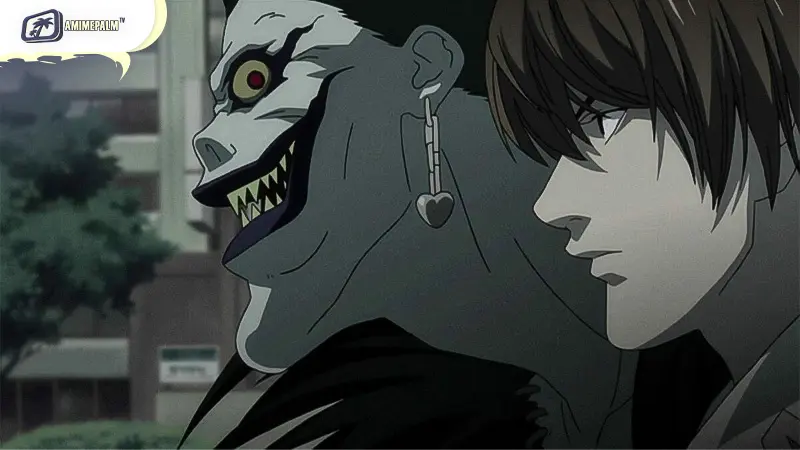
So, what is Death Note Relight: Visions of a God? It’s essentially a compilation film that recaps the first half of the original Death Note anime, focusing on the epic L arc. Released in 2007 as a TV special in Japan, it’s the first of two Relight movies, the second being L’s Successors, which covers the Near and Mello stuff. Think of it as a director’s cut remix: it re-edits episodes 1-26 into a feature-length story, but with new animation, dialogue, and a framing device where Ryuk narrates the tale to an unnamed Shinigami who’s bored out of his skull in the Shinigami realm. That setup adds a meta layer, like Ryuk spilling the tea on his human world adventure.

Death Note Relight focuses on the epic L arc

The plot summary sticks close to the source: Light Yagami finds the Death Note, becomes Kira, and clashes with the brilliant detective L in a battle of wits. Key arcs covered include Light’s initial killings, the FBI investigation, Misa’s introduction as the Second Kira, and those nail-biting mind games like the tennis match and the Yotsuba Group detour. But there are differences from the original anime, some scenes are cut for pacing, others expanded with new footage, like extra Shinigami interactions or alternate angles on deaths. The storytelling feels more streamlined, with Ryuk’s voiceover adding humor and hindsight, making it feel fresh even if you’ve seen it all before.

Why was this relight movie created? It seems like a way to recap for die-hard fans, introduce the story to newcomers without committing to 37 episodes, and celebrate the series’ success, plus, it aired as a special to keep the hype alive. Reception-wise, it’s had a solid impact on the fandom; some folks love the new scenes and tighter narrative, while others see it as a cash-in. Internationally, it helped keep Death Note in the conversation, inspiring more fan theories and art. As a fan, I remember watching it right after the series and appreciating how it reframed Light’s arrogance through Ryuk’s amused eyes, it gave me chills all over again.

Cast of Death Note Relight: Visions of a God

The cast of Death Note Relight: Visions of a God brings back the all-stars from the original anime, which is a huge plus for continuity. In the Japanese version, Mamoru Miyano returns as Light Yagami, nailing that smooth, chilling transition from bored teen to god-complex killer. Kappei Yamaguchi is back as L, with his quirky, high-pitched delivery that makes the detective so endearingly weird. Shido Nakamura (sometimes credited as Nakamura Shidō II) reprises Ryuk, bringing that gravelly, apple-obsessed vibe, and Aya Hirano is Misa Amane, all bubbly fanaticism. Other mains like Noriko Hidaka as Near (though he’s minor here) and the task force voices, Keiji Fujiwara as Aizawa, for example, round it out. The unnamed Shinigami is a new addition, voiced by someone fresh, but it’s mostly the returning crew.

Death Note Relight brings back the all-stars from the original anime

For the English dub, it’s the same talented team: Brad Swaile as Light, capturing that smug intellect perfectly; Alessandro Juliani as L (wait, actually, from my memory and checks, it’s him with that monotone genius); Brian Drummond as Ryuk, who’s hilariously detached; and Shannon Chan-Kent as Misa. Colleen Wheeler voices Rem, adding emotional weight to the Shinigami’s loyalty. Comparing the two, the Japanese cast has that raw intensity, Miyano’s laughs are iconic, while the English dub feels more accessible and natural for Western ears; I flip between them depending on my mood, but both performances elevate the psychological drama. No major new cast members stand out, keeping it faithful to the core.

Death Note Relight: Visions of a God Reviews

When it comes to Death Note Relight: Visions of a God reviews, the critical reception is a mixed bag, much like the fandom’s take. Professional critics on sites like Anime News Network praise the high-quality animation and how it redesigns the L arc into an engaging feature, calling it an “epic battle of wits” with solid psychological depth. Highlights include the new scenes and Ryuk’s narration adding fun, but criticisms often hit the pacing, cramming 24 episodes into two hours leads to rushed moments and lost subtleties, with some calling it a failure at condensation. Animation quality gets thumbs up for being crisp and atmospheric, though.

Professional critics calls Death Note Relight an "epic battle of wits"
Professional critics calls Death Note Relight an “epic battle of wits”

Fan reception on forums like Reddit and Letterboxd is enthusiastic for the extras, many say it’s worth it for the new footage and alternate perspectives, recommending it as a refresher. But there’s gripes too: some feel scenes are “messed up” or twisted slightly, and it doesn’t add enough to justify over the full series. Popular opinions highlight it as a fan treat, not essential, with merits in brevity but drawbacks in depth. Comparatively, it stacks up well against the original for the L arc (which fans often prefer), but some say the second Relight is weaker. As someone who’s debated this endlessly online, I think it’s underrated, great for a quick nostalgia fix without rewatching everything.

Death Note Relight: Visions of a God Full Movie

Hunting down the Death Note Relight: Visions of a God full movie? Availability can be tricky, but there are options. It’s not streaming on major platforms like Netflix in the US right now, but you might find it on Crunchyroll or other anime sites, check JustWatch for your region, as it pops up on services like Amazon Prime Video or for purchase on iTunes. Official DVDs and Blu-rays from Viz Media are out there on Amazon or eBay for legal owns.

The movie clocks in at about 130 minutes, formatted as a single feature with segments mirroring the anime arcs, no chapters per se, but it flows like a long episode. Viewing experience is top-notch: video and audio quality hold up well, especially on HD releases, with that haunting soundtrack intact. Subtitles are crisp for the Japanese track, and dubbing options match the original series’ quality, perfect for immersing yourself in the tension without interruptions.

If this review has reignited your Death Note obsession like it did mine while writing it, grab some apples and give it a watch! For more anime news, reviews, and updates, head over to AnimePalm, they’ve got the latest on all your favorites.

Death Note Anime: A Fan’s Comprehensive Review

0

As a die-hard Death Note fan, I still get chills thinking about the first time I binge-watched the entire series late into the night. The Death Note anime hooked me from episode one with its mind-bending twists and moral dilemmas that make you question everything. If you’re new to it or revisiting, let me break it down based on my years of obsessing over this masterpiece. I’ll cover the basics, episodes, the series as a whole, and those unforgettable characters, all while sharing why it remains one of the greatest anime out there.

Overview of Death Note Anime

The death note anime started as a groundbreaking manga by writer Tsugumi Ohba and illustrator Takeshi Obata, serialized in Weekly Shōnen Jump from 2003 to 2006. It quickly exploded in popularity, leading to an anime adaptation that aired from October 2006 to June 2007. Produced by Madhouse, the death note anime captures the essence of the manga while adding its own flair through stunning visuals and a haunting soundtrack.

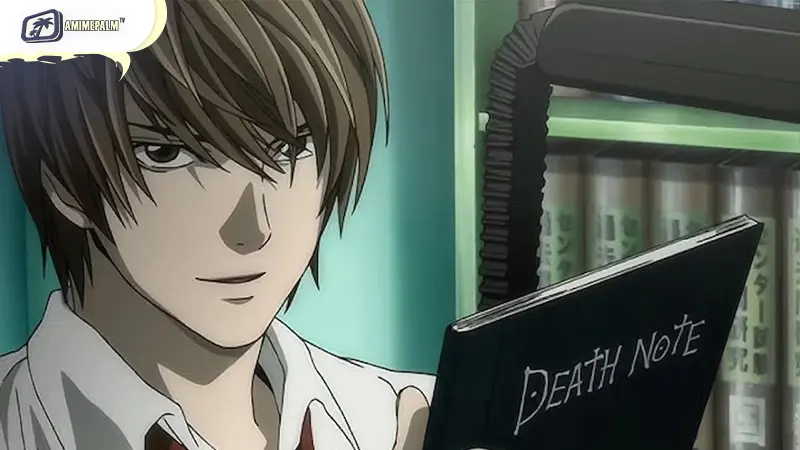
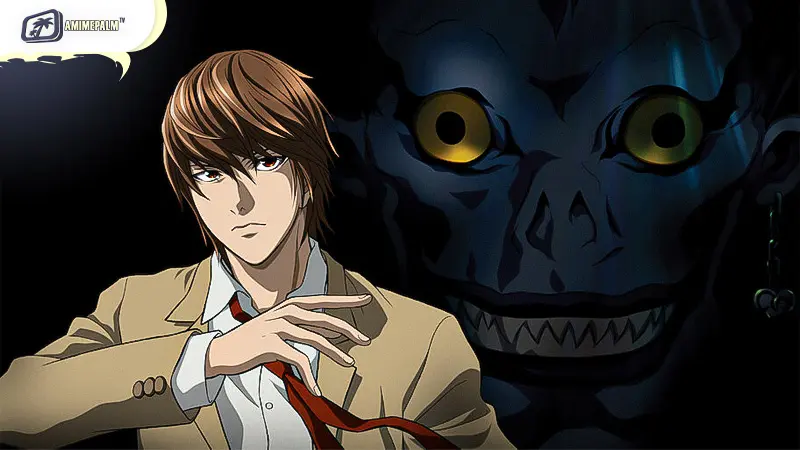
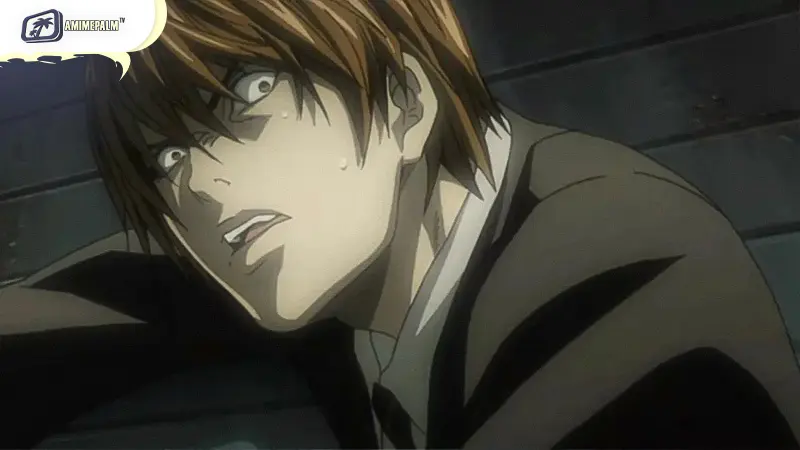
Light Yagami is a brilliant but bored high school student

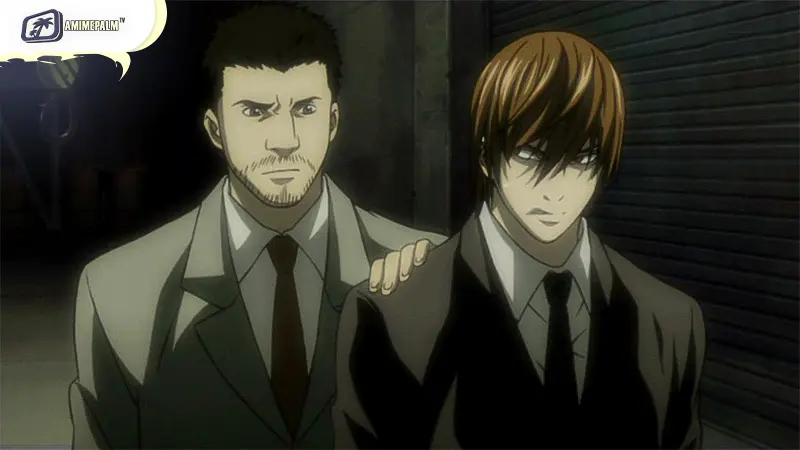
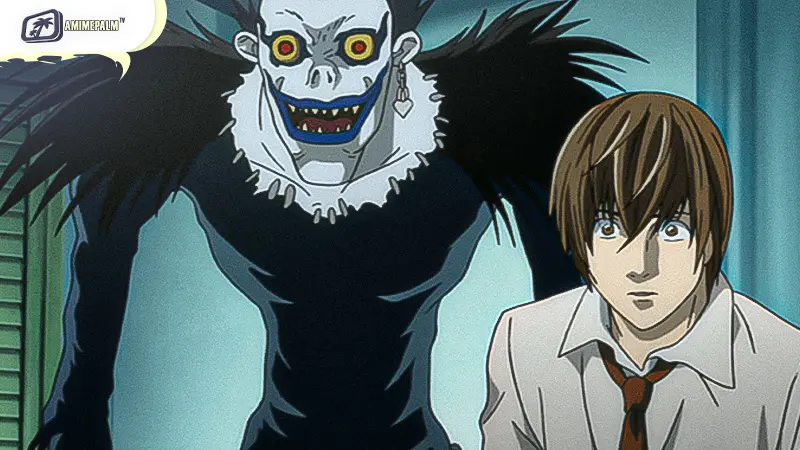
At its core, the story follows Light Yagami, a brilliant but bored high school student who discovers a supernatural notebook called the Death Note, dropped by the mischievous Shinigami (death god) Ryuk. Anyone whose name is written in it dies, usually of a heart attack unless specified otherwise. Light decides to use it to rid the world of criminals, adopting the alias “Kira” and sparking a global debate on justice. But when the enigmatic detective L starts hunting him down, it turns into an epic battle of wits. Major themes like justice, morality, and the corrupting influence of absolute power are woven throughout, making you root for and against characters in the same breath.

Set in a realistic modern Japan with supernatural elements, the tone is dark, suspenseful, and psychological, think thriller meets horror. No wonder it became a cultural juggernaut. The death note anime has had massive impact, inspiring fan art, cosplay, and even real-world controversies (like schools banning notebooks with “Death Note” written on them). In Japan, it won awards like the Tokyo Anime Award, and internationally, it’s often hailed as a gateway anime for newcomers. Sites like MyAnimeList rate it around 8.6/10, with critics praising its intelligence and pacing. Its fan base is huge and dedicated, spawning memes, theories, and endless debates about who was right, Light or L?

As for watching it today, the death note anime is widely available. You can stream it on platforms like Netflix, Crunchyroll, Hulu, Amazon Prime Video, Peacock, and even the Roku Channel for free in some cases. It’s offered in both subbed (original Japanese with subtitles) and dubbed versions, the English dub is solid, with Brad Swaile nailing L’s quirky voice. If you’re like me and prefer the raw intensity, go subbed, but the dubs make it accessible for everyone.

Death Note Anime Episodes

The death note anime episodes total 37, all in one season without breaks or fillers, which keeps the momentum going strong. There are also two special OVAs called “Death Note: Relight” (Visions of a God and L’s Successors), which are basically recaps with some new footage and alternate perspectives, worth a watch if you’re craving more after the main series.

Death Note: Relight is worth a watch if you're craving more after the main series
Death Note: Relight is worth a watch if you’re craving more after the main series


Breaking it down, the episodes are packed with key arcs that build the tension masterfully. The first half (episodes 1-25 or so) is the golden era: Light’s rise as Kira, his cat-and-mouse game with L, and the introduction of Misa Amane as the Second Kira. Highlights include the tennis match episode (a genius metaphor for their rivalry) and the shocking FBI agent arc where Light’s manipulations really shine. Then, post-episode 25, we shift to the successors arc with Near and Mello, ramping up the stakes with more elaborate schemes and betrayals. Major plot developments include Light joining the task force, the Yotsuba Group detour (a clever red herring), and the explosive finale where everything unravels.

The episode structure is tight, each one ends on a cliffhanger that had me clicking “next” immediately. Pacing is lightning-fast in the beginning, slowing a bit in the second half for more strategy, but it never drags. As a fan, I appreciate how it keeps you guessing; one wrong move, and bam, someone’s name is in the book.

Compared to the manga, the death note anime episodes are pretty faithful, but there are tweaks for TV. Some minor scenes are cut for time, like extended internal monologues, and the ending is softened a tad, Light’s death feels more poetic in the anime, dying alone after escaping, versus the manga’s more humiliating version where he’s begging Ryuk. A few animations amp up the drama, like Naomi Misora’s death scene, which is way more atmospheric in the anime. If you’ve read the manga first, you’ll notice these, but the anime stands on its own brilliantly.

Death Note Anime Series

Diving into the death note anime series production, Studio Madhouse knocked it out of the park under director Tetsurō Araki, with scripts adapted by Toshiki Inoue. The animation style is crisp and detailed, with shadowy lighting that amps up the noir vibe, those close-ups on eyes during tense moments? Chef’s kiss. The soundtrack by Yoshihisa Hirano and Hideki Taniuchi is iconic, blending orchestral swells with rock tracks, and don’t get me started on the opening themes like “The World” by Nightmare or the trippy “What’s up, people?!” by Maximum the Hormone.

Death Note anime features dark, detailed, gothic visuals with intense atmosphere


The original TV series is the heart of it all, but there are tons of versions and adaptations. Compared to the live-action movies (like the 2006 Japanese films or the 2017 Netflix one), the anime stays truer to the source while being more visually dynamic. Spin-offs include the Relight OVAs, a 2015 TV drama, a musical (yes, with singing Shinigami), and even one-shot manga specials like the 2020 “Never Complete” story. No full reboots yet, but who knows, fans are always clamoring for more.

Release-wise, it aired weekly on Nippon TV in Japan from October 3, 2006, to June 26, 2007, with international releases following soon after on networks like Adult Swim in the US. Reruns pop up occasionally, and it’s been syndicated worldwide ever since.

Death Note Anime Characters

Ah, the death note anime characters, these are what make the series unforgettable. Let’s start with the mains.

Light Yagami, our anti-hero protagonist, is a genius student turned god-complex vigilante. His descent from idealist to megalomaniac is chilling; I remember feeling conflicted, admiring his smarts while hating his arrogance. Voiced by Mamoru Miyano, he’s charismatic and terrifying.

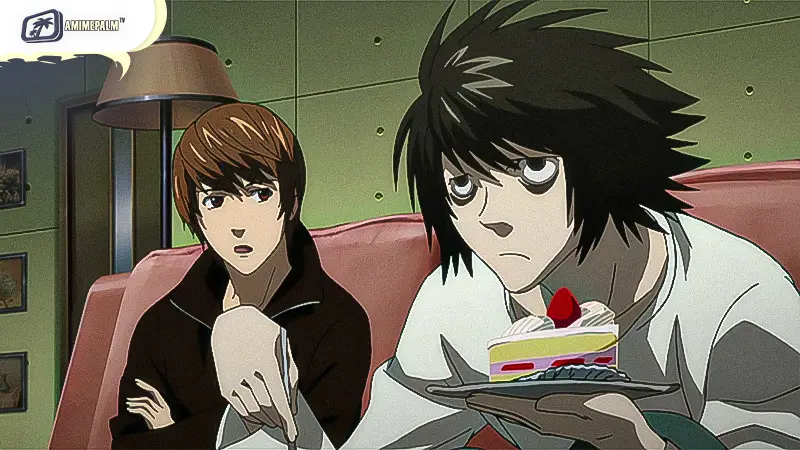
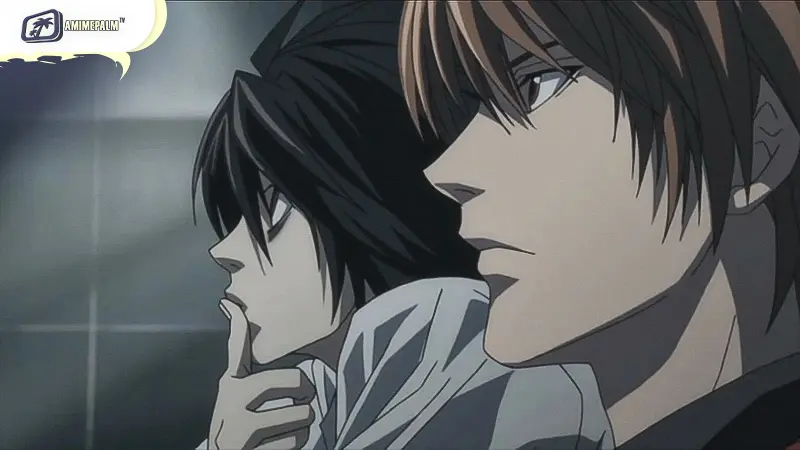
Then there’s L Lawliet, the sugar-addicted detective genius. With his messy hair, crouching posture, and deadpan humor, he’s the perfect foil to Light. Their rivalry is the show’s soul, L’s deductions are mind-blowing, and his motivations stem from a pure (if eccentric) pursuit of justice. As a fan, L is my absolute favorite; his quirks make him so human despite being a recluse.

L and Light’s rivalry is the show's soul
L and Light’s rivalry is the show’s soul

Ryuk, the apple-loving Shinigami, brings comic relief with his bored demeanor and otherworldly design. He’s not evil, just entertained by human chaos, voiced hilariously by Nakamura Shidō II.

Misa Amane, the bubbly model and Second Kira, adds romance and fanaticism. Her obsession with Light leads to wild plot twists, but she’s more than eye candy; her backstory with Rem (another Shinigami) adds depth.

Supporting cast shines too: Near and Mello, L’s successors, bring fresh energy, Near’s calm logic versus Mello’s impulsive mob ties create great conflict. The police task force, like Light’s dad Soichiro Yagami (a man of unwavering integrity) and the comic Matsuda, ground the story in reality. Other humans like Kiyomi Takada and Teru Mikami amp up the Kira cult vibes, while Shinigami like Rem show emotional layers beyond Ryuk’s apathy.

Character development is top-tier, relationships evolve from alliances to betrayals, with conflicts rooted in clashing ideologies. Light and L’s “friendship” is tense genius versus genius; Misa’s love for Light is tragic and manipulative. Fan favorites? L tops polls, followed by Light and Ryuk, with merch everywhere from figures to notebooks (handle with care!). Rankings on sites like Charapedia often put L at #1 for his meme-worthy moments.

Overall, what I love as a fan is how these characters feel real, their motivations drive the plot, making every death note entry feel personal and profound.

If this review has you itching to dive in or rewatch, do it! The death note anime is a timeless thrill ride. For more anime news, reviews, and updates, head over to AnimePalm, we’ve got the latest on all your favorites.

Attack on Titan Season 4: A Fan’s Wild Ride to the End

0

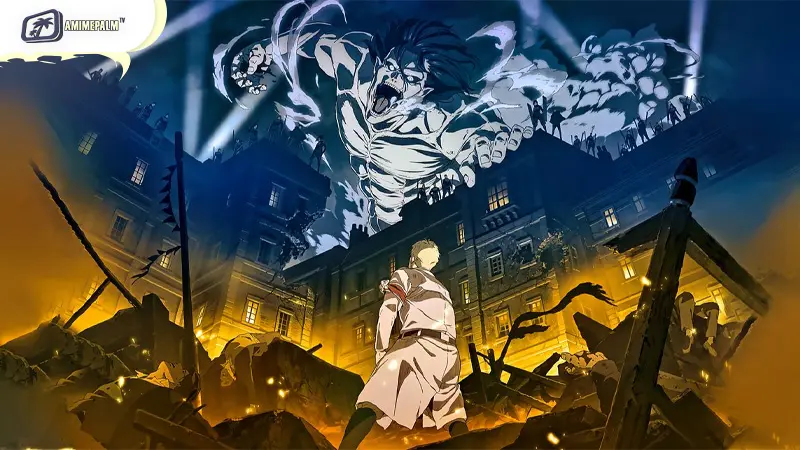
Attack on Titan Season 4, also known as The Final Season, completely blew my mind and broke my heart in the best way. After the long wait following Season 3, the switch from WIT Studio to MAPPA delivered a fresh, gritty visual style that perfectly matched the story’s darker tone. This season flips the narrative, exploring the Marleyan side and escalating the Paradis war, with themes of revenge, ideology, and survival in a broken world. Whether you’re wrapping up the saga or jumping back in, this spoiler-light review on AnimePalm dives into why it’s the most powerful and emotionally intense chapter of the series.
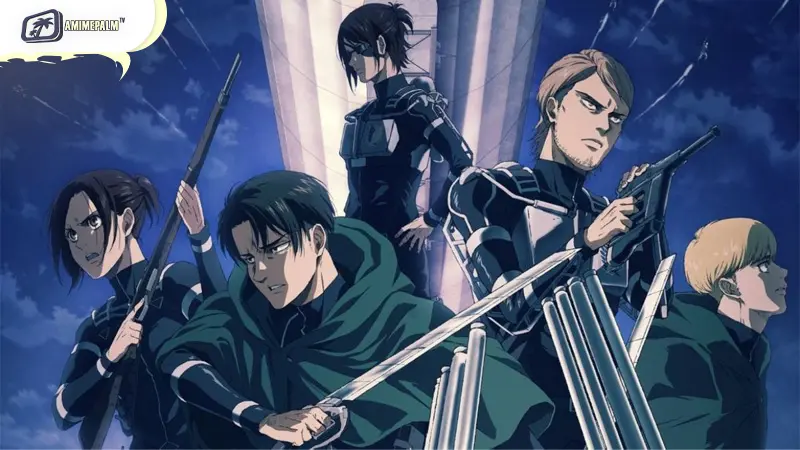
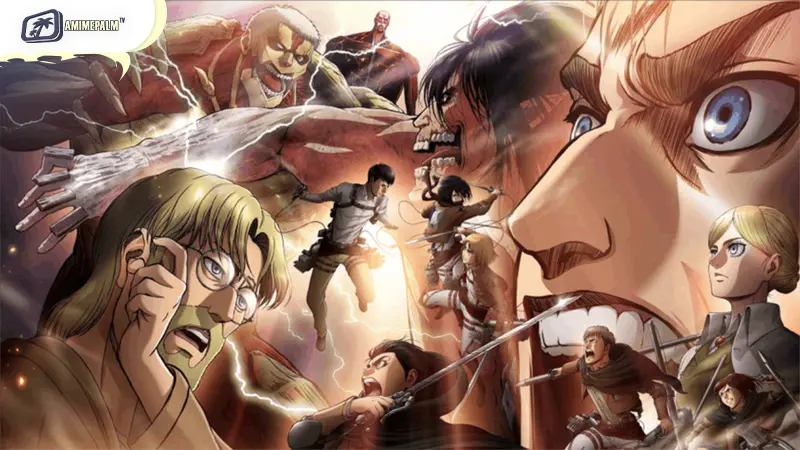
The character arcs in Season 4 feel earned and devastating

Introduction to Attack on Titan Season 4

Titled Attack on Titan: The Final Season, this part marks a big change in who made it, Studio WIT handed the reins to MAPPA, and honestly, they nailed it with smoother animation and epic battles that pop off the screen. The story expands big time, diving into Marleyan views and the full-blown conflict with Paradis. We see the world outside the walls, where Titans aren’t just monsters but tools in a global mess of war and hate.

What makes Season 4 such a massive shift is the perspective change. For three seasons, we’ve been locked inside the walls with humanity’s scrappy survivors. Suddenly, we’re seeing Paradis Island from the outside, as a threat. This recontextualization is genius storytelling. The Marleyan empire isn’t cartoonishly evil; they have their own soldiers, their own fears, their own justifications. It’s unsettling and brilliant, forcing us to confront the reality that there are no clean sides in this conflict, only suffering on both ends.

Themes get heavy: it’s all about vengeance driving people mad, ideologies clashing like Titans in a fight, and survival on a massive scale. Freedom? It’s twisted now, with moral lines blurring everywhere. As a fan, this season hit me hard, seeing familiar faces change and new ones challenge everything made me rethink the whole story. It’s not just action; it’s a gut-punch on war’s ugliness, and I teared up more than once.

The character arcs in Season 4 feel earned and devastating. Everyone you’ve grown attached to gets tested in ways that feel almost cruel. But that’s the point, war is cruel, and the series never lets you forget it. By the end of this season, you’ll likely find yourself emotionally exhausted in the best possible way.

Attack on Titan Season 4 Release Date

Attack on Titan Season 4 kicked off with Part 1 on December 7, 2020, dropping episodes weekly and keeping fans like me glued every Sunday. Then came a wait that felt eternal before Part 2 aired from January 10, 2022, to April 4, 2022. The finale wrapped with specials in 2023: one on March 4 and the big closer on November 5. This split-release kept the hype alive but tested our patience, I binge-watched each part as soon as it dropped, yelling at twists with my buddies online.

Attack on Titan Season 4 kicked off with Part 1 on December 7, 2020


The release schedule was absolutely brutal. After Part 1 ended in March 2021, we had nearly a year-long hiatus. If you thought the wait between Season 3’s parts was bad, this was on another level. The community went absolutely wild with theories and speculation during that gap. When Part 2 finally dropped in January 2022, it was like the internet collectively lost its mind. And then having to wait over a year for the finale specials? That tested even the most devoted fans’ patience. I remember refreshing Crunchyroll religiously, counting down the days like it was Christmas.

How Many Episodes in Attack on Titan Season 4

Depending on how you count ’em, Attack on Titan Season 4 has 28 to 30 episodes, plus those specials sometimes listed as extras or split into more on streaming. Part 1 packs 16 episodes of setup and shocks, while Part 2 adds 12 more with intense build-up. The specials, “Part 3” and “Part 4”, are hour-long beasts that feel like multiple episodes jammed together, often broken into 88-94 on platforms like Crunchyroll. As a fan, the shorter count made every moment count, no fillers, just pure edge-of-your-seat drama.

Each episode in Season 4 is lean and purposeful. There’s minimal wasting time; every scene drives the narrative forward or develops characters in meaningful ways. The hour-long specials at the end are particularly impressive, they feel like proper movies rather than extended episodes. MAPPA clearly put enormous effort into these final chapters, and you can feel it in every frame. The pacing works perfectly, even when you’re experiencing information overload from the escalating complexity of the plot.

Characters of Attack on Titan Season 4

The gang’s all here: Eren Yeager goes full anti-hero mode, his growth (or descent?) is wild and divisive, I rooted for him then questioned everything. Watching Eren transform from idealistic soldier to something far more complex and troubling is one of the season’s most compelling elements. His motivations become increasingly difficult to parse, and by the end, you might not know whether to sympathize with him or despise him, and that ambiguity is intentional.

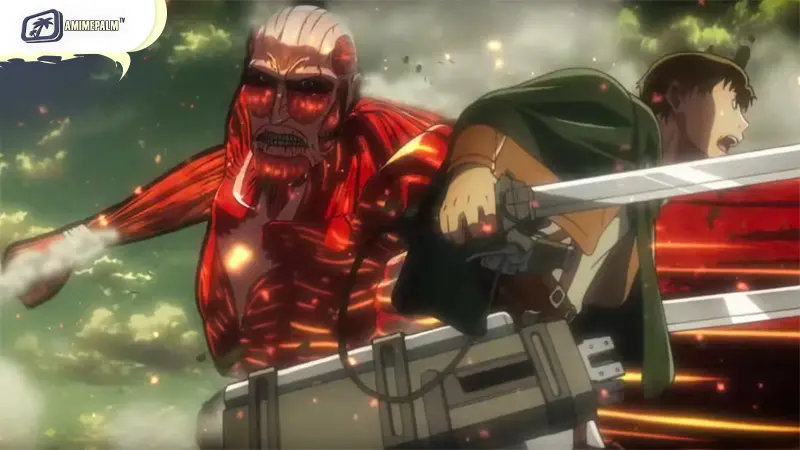
Attack on Titan Season 4 makes you sympathize with the enemies

Mikasa Ackerman stays the loyal badass, her bond with Eren tested like never before in ways that’ll hurt your heart. Her character arc is quieter than Eren’s, but it’s just as impactful. Armin Arlert steps up as the smart one, dealing with tough choices that show his growth from scared recruit to genuine strategist. His diplomatic efforts and moral wrestling add depth that’s easy to overlook but absolutely crucial to the narrative. Levi Ackerman? Still the GOAT, slicing through chaos despite the odds, proving that even legends have limits and vulnerabilities.

New faces shake things up: Gabi Braun, the fiery Marleyan kid warrior, starts off annoying but grows on you with her arc, reminds me of young Eren, which is exactly the point. She represents the cyclical nature of hatred and violence that the series explores so effectively. Falco Grice, her kinder buddy, adds heart to the enemy side, showing that compassion exists even in war. We meet more Marley folks like Pieck and Porco, plus Paradis soldiers and leaders navigating the mess.

Development is killer, alliances flip, beliefs clash, and war changes everyone. As someone who’s cosplayed Eren, seeing these shifts felt personal; it humanizes both sides, making the conflicts hit harder. By Season 4, you’ll find yourself sympathizing with characters you initially viewed as enemies, and questioning the heroism of characters you’ve loved since episode one.

The Animation and Soundtrack

The transition from WIT Studio to MAPPA could’ve been disastrous, but instead, it reinvigorated the series visually. MAPPA’s animation style is grittier and more detailed, particularly during combat sequences. The battles in Season 4 are some of the most spectacular in the entire anime, fluid, visceral, and genuinely intense. The CGI for Titans has improved significantly, though some fans have mixed feelings about it. Personally, I think it serves the story; the Titans feel more mechanical and less organic, which thematically makes sense for a season focused on war and weaponization.

Attack on Titan Season 4 is often subdued and haunting


Yuki Kajiura’s soundtrack additions complement Hiroyuki Sawano’s established themes beautifully. The music in Season 4 is often subdued and haunting, reflecting the darker tone. The opening themes are absolutely phenomenal, “My War” and “The Rumbling” by Shinsei Kamattechan evolve into something more introspective and troubled. The ending credits are equally memorable, often leaving you in a contemplative mood after each episode’s emotional gut-punches.

The Endgame Experience

The final specials are where everything culminates into something transcendent. These aren’t just extended episodes; they’re the culmination of a six-year journey through this insane world. Watching the story conclude after investing so much time and emotion is bittersweet. The finale delivers on the character arcs, the thematic explorations, and the world-building in ways that feel earned rather than rushed, a rare accomplishment for anime conclusions.

If this chat has you pumped to dive into Season 4’s chaos, grab your gear and stream it, it’s the finale that sticks with you forever! For more anime news, reviews, and updates, head over to AnimePalm, they’ve got the latest on all your favorites.

Attack on Titan Season 3: The Ultimate Uprising Arc Review

0

Attack on Titan Season 3 is the one that truly flipped the script for me — shifting from explosive Titan battles to razor-sharp political intrigue that left me gasping and reevaluating everything I thought I knew about the story. Following the shocking betrayals of Season 2, this chapter dives headfirst into the shadows within the walls, exposing hidden agendas and institutional corruption. I vividly remember theorizing like crazy during the long hiatus between parts, desperate to unravel the mysteries. Whether you’re deep into your AOT marathon or just looking for a killer recap, let’s unpack Attack on Titan Season 3 with the same electrifying hype I felt back then. We’ll break down the intro, release dates, episode count, and those unforgettable visuals — get ready for the uprising!

Attack on Titan Season 3 ramps up the stakes with threats from corrupt forces inside


Introduction to Attack on Titan Season 3

Attack on Titan Season 3 ramps up the stakes, continuing from Season 2’s cliffhangers with threats not just from Titans outside the walls, but from corrupt forces inside. The Survey Corps battles government oppression while pushing missions to reclaim Shiganshina, uncovering layers of deception about society, the royal family, and the Titans’ origins. The setting advances inward: from palace coups in the capital to basement secrets in Eren’s hometown, blending urban espionage with brutal expeditions.

Themes deepen into political intrigue, think conspiracies, power grabs, and rebellions, while exploring trust’s fragility and humanity’s dark side. Freedom’s pursuit gets complicated by moral ambiguities, like who the real monsters are. As a fan, this season’s shift to character-driven drama hooked me even more, proving AOT isn’t just about fights; it’s a commentary on society that left me debating ethics long after.

What really grabbed me about Season 3 is how it forced us to question the very institutions the characters had been fighting to protect. The Survey Corps transforms from humanity’s last hope into revolutionaries, and that shift feels earned. Kenny’s introduction alone, a character from Levi’s past who challenges everything we thought we knew, demonstrates the show’s commitment to layering its narrative. The political machinations keep you guessing, and just when you think you’ve figured out the conspiracy, the show throws another wrinkle at you. It’s exhausting in the best way possible.

Attack on Titan Season 3 Release Date

The Japanese premiere for Attack on Titan Season 3 Part 1 hit on July 23, 2018, kicking off the “Uprising” arc with weekly drops. After a hiatus that tested fans’ patience, Part 2 launched on April 29, 2019, wrapping up with the final episode on July 1, 2019. Internationally, simulcasts rolled out on Crunchyroll and Funimation right after Japanese airs, keeping global hype alive. The English dub premiered on Adult Swim starting August 18, 2018, making it easier for dub fans like me to jump in without waiting.

Attack on Titan Season 3 Part 1 hit on July 23, 2018


That wait between parts felt eternal. I remember refreshing forums obsessively, desperately hunting for theories and leaks to tide me over during those nine months of silence. The split format was both brilliant and cruel, brilliant because it built immense anticipation, but cruel because leaving us on cliffhangers during the Uprising arc felt like psychological warfare. When Part 2 finally dropped in spring 2019, the collective excitement practically broke the internet. Fans had spent months speculating about Eren’s basement and the fate of the Survey Corps, so having those questions finally answered delivered the payoff we all craved.

How Many Episodes in Attack on Titan Season 3

Attack on Titan Season 3 totals 22 episodes, cleverly split into two parts for maximum suspense: Part 1 with 12 episodes (airing July to October 2018) and Part 2 with 10 episodes (April to July 2019). This format kept the momentum without dragging, though the break between parts had fans rioting online.

The arcs covered are game-changers: The “Uprising” arc dominates Part 1, focusing on the political storyline where the Survey Corps overthrows the corrupt government, revealing royal bloodlines and mind-control tech. Part 2 dives into the “Return to Shiganshina” arc, with the mission to reclaim Eren’s home, epic Titan battles, and basement revelations that blow the lore wide open. As someone who marathoned it post-hiatus, the pacing builds from tense scheming to all-out war perfectly.

What impressed me most was how Season 3 manages to balance its two distinct halves tonally. Part 1 operates like a political thriller, with shadowy hallway conversations and strategic maneuvering taking center stage over action. It’s methodical, building trust issues between characters until paranoia feels justified. Then Part 2 flips the switch dramatically, delivering some of the most intense action sequences in the entire series. The charge toward Shinganshina is particularly spectacular, it’s a full-scale military operation that feels operatic in scope. This tonal diversity keeps Season 3 from feeling monotonous despite its length.

Poster and Visuals of Attack on Titan Season 3

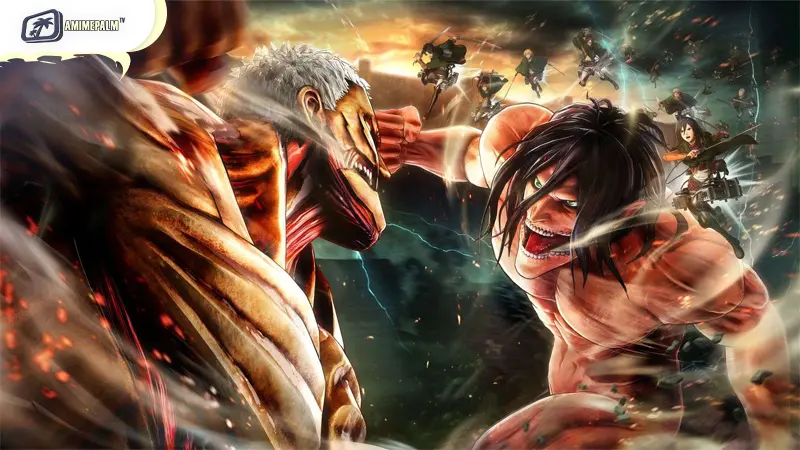
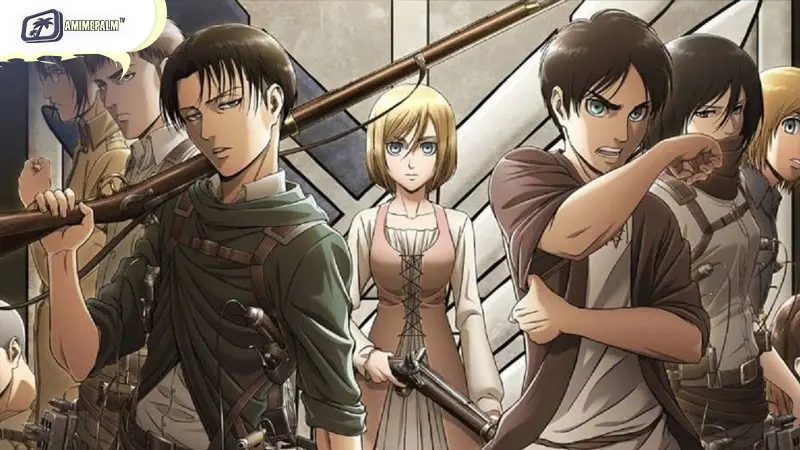
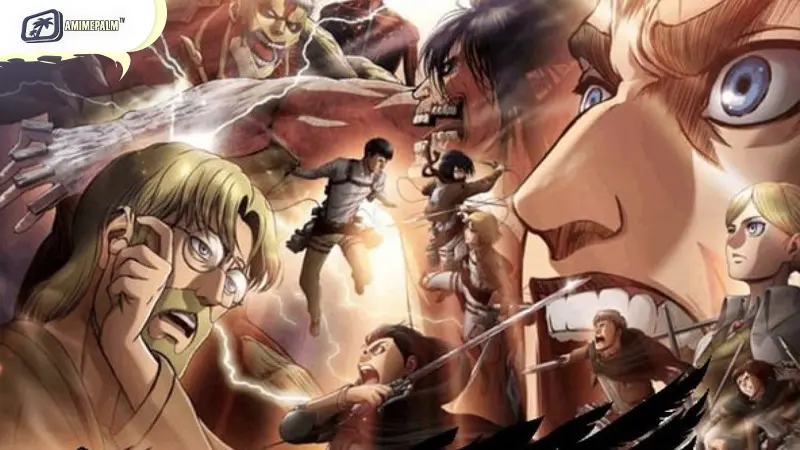
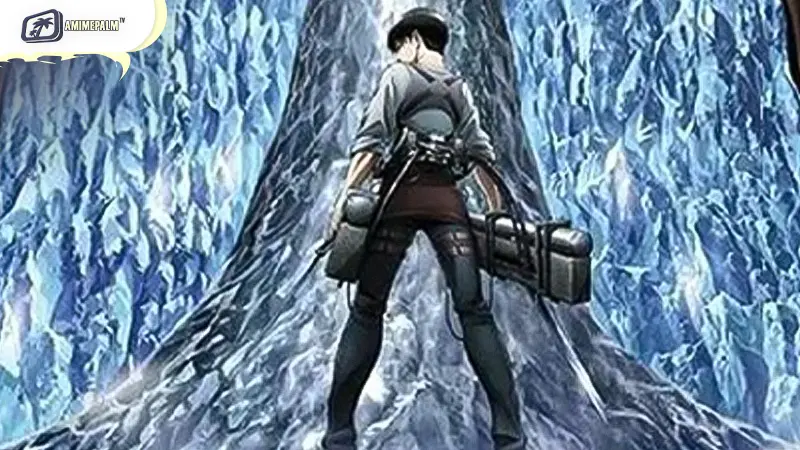
The official posters for Attack on Titan Season 3 nail the dark, suspenseful tone, often featuring Eren chained on a hill with a mysterious figure approaching, symbolizing the imprisonment and revelations in the Uprising arc. Key visuals include the Survey Corps in dynamic poses amid crumbling walls, Titans looming in the background, and motifs of crowns or chains to hint at political tension and brutal battles. One prominent key art showcases Eren front and center, bloodied and determined, with allies like Levi and Mikasa ready for action, evoking the shift to internal conflicts.

Attack on Titan Season 3 posters nail the dark, suspenseful tone

These posters played a huge role in marketing, teasing the 2018 premiere and building fan anticipation through social media shares and conventions. I recall the hype when the chained Eren visual dropped, sparking endless theories. The artistic style stays gritty and intense, with Wit Studio’s animation delivering shadowy palettes, fluid fights, and Sawano’s thundering score to amp up the drama. Fans ate it up, turning posters into wallpapers and merch staples.

The visual presentation of Season 3 deserves special mention because it’s genuinely stunning. Wit Studio stepped up their game significantly, particularly during the Return to Shiganshina arc. The character animation during emotional moments feels authentic, you can see the weight of conflict on characters’ faces. The lighting design emphasizes the claustrophobic paranoia of the Uprising arc and the wide-open desperation of the final assault. Sawano’s orchestral score amplifies everything, from subtle intrigue moments to explosive action sequences. The opening theme hits different this season, and the ending credits are visually arresting.

Why Season 3 Matters

If I had to distill why Season 3 works so well, it’s because it trusts its audience. It doesn’t spoon-feed exposition or settle for simple good-versus-evil narratives. Instead, it challenges everything you thought you understood about the world and characters. The basement reveal at season’s end doesn’t provide definitive answers so much as it opens entirely new questions, questions that propel you toward Season 4.

This season proved that Attack on Titan isn’t just another action anime. It’s a thoughtful exploration of institutional corruption, the cost of freedom, and the moral compromises required to survive in a hostile world. Season 3 elevated AOT to epic status, transforming it from a fun battle series into genuine prestige television.

If this review has you geared up to unravel Season 3’s conspiracies, queue it up, it’s the pivot that makes the entire series worth your time. For more anime news, reviews, and updates, head over to AnimePalm, they’ve got the latest on all your favorites.

Attack on Titan Season 2 Episode Guide and Key Moments

0

Attack on Titan Season 2 is where the series truly punched fans in the gut — those jaw-dropping reveals had me pausing mid-episode just to process what I’d seen. The betrayals? Legendary. Coming off Season 1’s explosive cliffhanger, this shorter but sharper season dives deeper into the lore, intensifying the mystery and raising the emotional stakes. Attack on Titan Season 2 doesn’t just continue the story — it transforms it, layering in secrets that had me obsessing over fan theories for weeks. Whether you’re binging the saga or need a killer refresher, let’s break it all down with the same hype I felt after waiting four long years for this drop. From the powerful opening to the shocking twists, character arcs, recap moments, and those stunning visuals — freedom awaits beyond the walls.

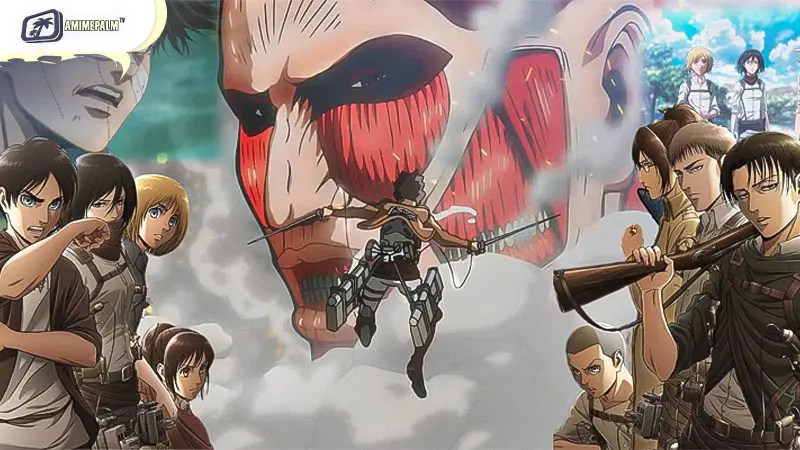
Attack on Titan Season 2 picks up right where Season 1 left off

Introduction to Attack on Titan Season 2

Attack on Titan Season 2 picks up right where Season 1 left off, thrusting us into deeper revelations about the Titans, the walls’ secrets, and humanity’s true enemies. With Annie captured and Eren’s powers in play, the story escalates as the Survey Corps faces new Titan threats while uncovering traitors within their ranks. The setting remains the walled society, but now with breaches in Wall Rose and beasts lurking everywhere, the premise amps up the paranoia, it’s not just survival against monsters anymore, but against hidden agendas too.

Key themes? Trust gets shredded as secrets unravel, escalating conflicts both external (Titan hordes) and internal (betrayals and moral dilemmas). Freedom’s still the dream, but Season 2 questions who really deserves it, blending horror, action, and philosophy in ways that had me questioning alliances. As a fan, this season solidified AOT as a masterpiece, building on Season 1’s foundation to hook even harder with its twists.

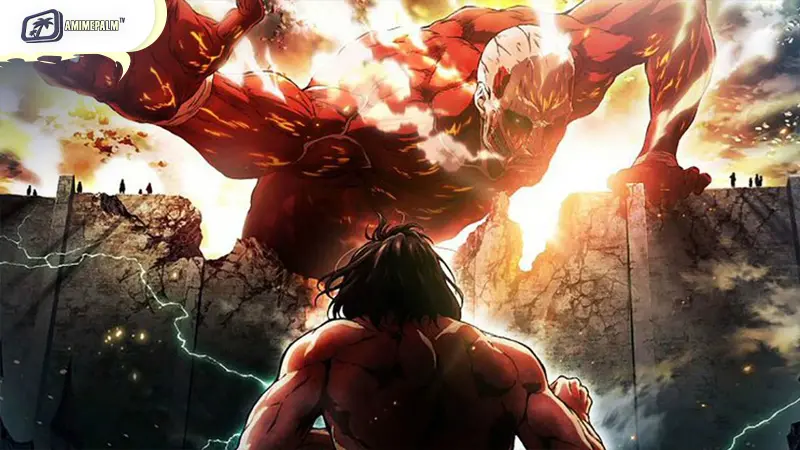
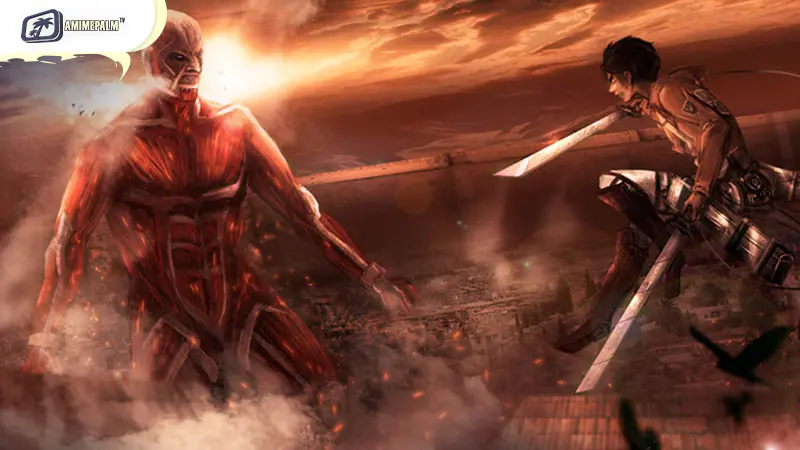
One of the official key art posters for Attack on Titan Season 2, featuring the Colossal Titan looming over the main cast

How Many Episodes in Attack on Titan Season 2

Attack on Titan Season 2 clocks in at a tight 12 episodes, which aired from April 1, 2017, to June 17, 2017, yeah, after that agonizing four-year wait from Season 1, it felt like a sprint, but every minute packs a punch. This shorter format keeps the intensity non-stop, no fluff here.

Attack on Titan Season 2 aired from April 1, 2017, to June 17, 2017

The season mainly covers the “Clash of the Titans” arc from the manga, focusing on the invasion of Wall Rose and the ensuing chaos. It breaks down into high-stakes sequences: early episodes deal with the initial Titan sightings and suspicions among the 104th, mid-season ramps up with chases and battles involving the Armored and Colossal Titans, and the finale delivers massive reveals and confrontations. As someone who binged it in one sitting, the pacing is flawless, building suspense that explodes into epic fights.

Release Date of Attack on Titan Season 2

The official Japanese premiere of Attack on Titan Season 2 was on April 1, 2017, airing on MBS and other networks, kicking off the long-awaited continuation. Internationally, it hit simulcast platforms like Funimation and Crunchyroll almost immediately after each episode’s Japanese debut, making it accessible for global fans,  I remember refreshing streams at odd hours to avoid spoilers. This quick rollout built massive hype, with dubbed versions following soon after, helping AOT explode in popularity worldwide.

Characters of Attack on Titan Season 2

Season 2 brings back the core crew from Season 1, but with deeper layers that make them even more compelling. Eren Jaeger is still the rage-fueled protagonist, honing his Titan powers amid growing doubts. Mikasa Ackerman remains the protective powerhouse, her loyalty tested in brutal ways. Armin Arlert shines as the strategist, stepping up with plans that save the day. Levi Ackerman and Commander Erwin Smith lead the charge, Levi’s acrobatic kills are legendary, and Erwin’s charisma drives the Survey Corps forward. Hange Zoe gets more screen time geeking out over Titans, adding levity to the darkness.

New characters (or highlighted ones) steal the show: Reiner Braun and Bertholdt Hoover, revealed as the Armored and Colossal Titans, bring heartbreaking betrayals, their backstories add tragic depth. Ymir emerges as a key player with her Jaw Titan form and mysterious past tied to Historia Reiss (formerly Christa), exploring themes of identity and sacrifice. Other standouts include the Beast Titan’s enigmatic operator and more from the 104th like Connie and Sasha for comic relief.

Attack on Titan Season 2 brings back the core crew from Season 1

Character development is top-tier, dynamics shift with trust issues, like Eren’s crew grappling with traitors, and new alliances form in the heat of battle. As a fan, seeing these evolutions made me root harder, with merch for Reiner and Ymir spiking after the reveals.

Attack on Titan Season 2 Summary/Recap

Buckle up for this recap, spoilers ahead, but Season 2’s plot is a whirlwind of revelations. It starts with Titans appearing inside Wall Rose without a breach, sparking panic and suspicions among the scouts. The 104th cadets reunite to investigate, leading to chases involving aberrant Titans and the introduction of the Beast Titan, who commands others like a general.

Major plot points include Ymir’s transformation to save her friends, revealing her as a Titan shifter with ties to an ancient cult. The battle for Wall Rose escalates into massive confrontations: Eren fights Reiner (Armored Titan) in a brutal showdown, while Bertholdt (Colossal) unleashes steam blasts. Internal conflicts explode with Reiner and Bertholdt’s betrayal, they’re warriors from outside the walls, kidnapping Eren and Ymir for their homeland.

Mysteries unveiled: The walls contain Titans, humanity’s history is a lie, and shifters have agendas tied to “Marley.” The Survey Corps rescues Eren in a fiery climax, but at great cost, Erwin loses an arm, and alliances fracture. It ends on a teaser for royal bloodlines and the basement secrets, priming Season 3 perfectly. As a fan, those identity drops had me rewatching for clues, pure adrenaline!

Poster and Visuals of Attack on Titan Season 2

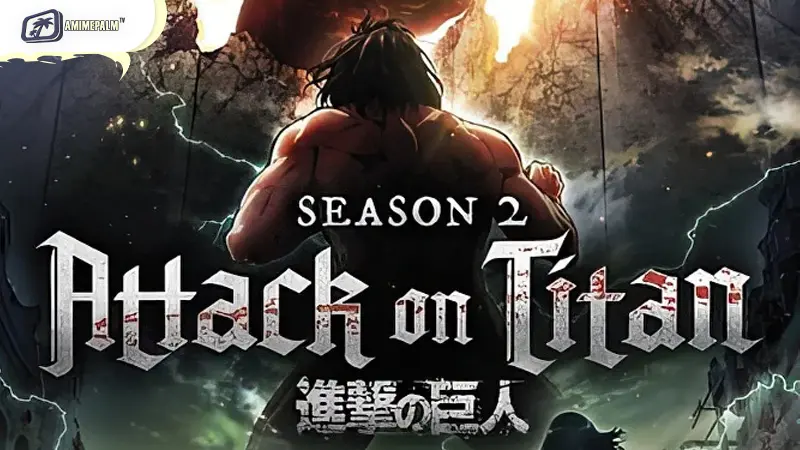
The official promotional posters for Attack on Titan Season 2 capture the season’s chaotic energy perfectly. One key art features the Colossal Titan looming massively over a breached wall, with Eren, Mikasa, and Armin in the foreground charging forward with ODM gear, bathed in dramatic lightning and fiery hues, symbolizing the clash and revelations ahead. Another collage-style poster showcases the ensemble cast amid battle scenes, with Titans in the background and a sense of urgency in their expressions, highlighting the group dynamics and escalating threats.

Attack on Titan Season 2 posters capture the season's chaotic energy perfectly
Attack on Titan Season 2 posters capture the season’s chaotic energy perfectly

The visual tone is dark and tense, with gritty animation by Wit Studio maintaining the manga’s style, shadowy palettes, intense close-ups during fights, and that iconic Sawano score pumping up the drama. These posters were huge in marketing, plastered everywhere from billboards to social media, fueling fan hype and theories. Reception? Fans loved how they teased the betrayals without spoiling, making them collector’s items, I snagged one for my wall back then!

If this review has you geared up to swing into Season 2’s twists, don’t wait, it’s the turning point that makes AOT legendary! For more anime news, reviews, and updates, head over to AnimePalm they’ve got the latest on all your favorites.
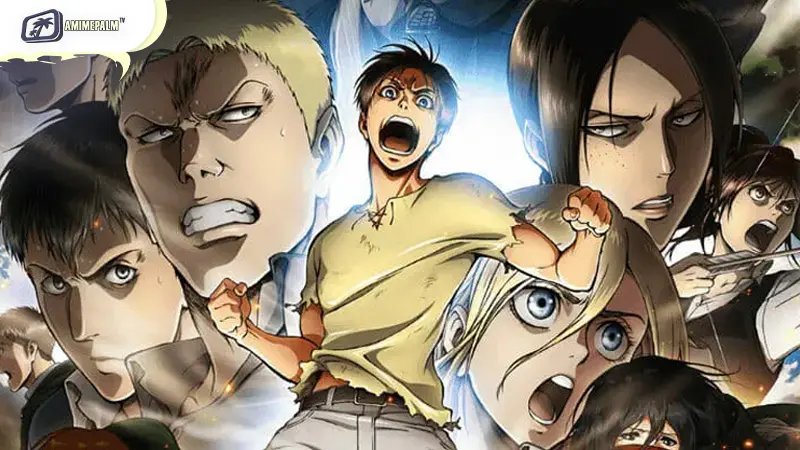
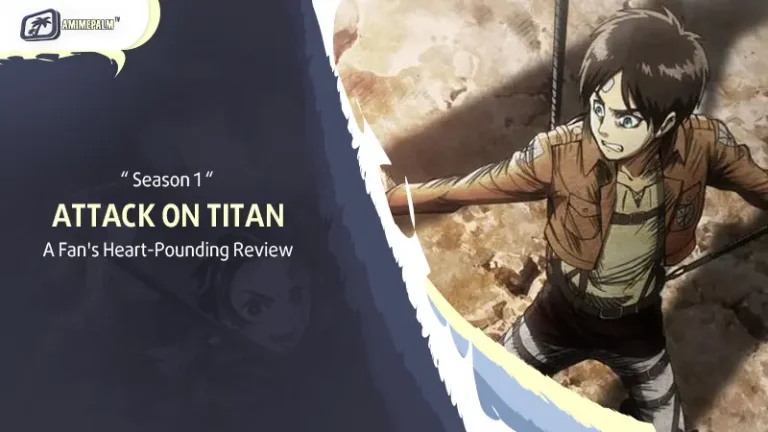
Attack on Titan Season 1: A Fan’s Heart-Pounding Review

0

Season 1 is where it all began for me, those opening episodes had me hooked, yelling at the screen, and questioning everything about humanity. I remember staying up all night bingeing it back in the day, heart racing from the Titan attacks and those mind-blowing twists. If you’re just starting or revisiting this epic, let me geek out and break it down for you. We’ll cover Attack on Titan Season 1 intro, episode deets, killer characters, and a solid recap, all with that raw passion only a true fan can bring. Let’s charge into the walls!

Introduction to Attack on Titan Season 1

Attack on Titan Season 1 exploded onto the scene in 2013, based on Hajime Isayama’s manga that’s since become a global phenomenon, selling over 140 million copies and inspiring everything from games to live-action flicks. It’s significant in anime for blending brutal action with deep philosophy, pulling in fans who love gore, mystery, and social commentary. Seriously, it redefined what a shonen series could be, ditching typical power-ups for gritty survival horror.

The setting? Humanity’s remnants huddle inside massive walls, Mare, Rose, and Sina, protecting them from Titans, these grotesque, man-eating giants that appeared out of nowhere a century ago. The premise kicks off with a peaceful life shattered when a Colossal Titan breaches the outer wall, unleashing hell. Our heroes join the fight in the Survey Corps, uncovering secrets that make you rethink everything.

Themes hit hard: survival against overwhelming odds, the quest for freedom beyond the walls, and humanity’s internal struggles, like corruption, fear, and what it means to be “human.” It’s not just monster-smashing; it’s a mirror to our world, with moral gray areas that had me debating with friends for hours. As a fan, this season’s raw intensity set the bar sky-high for the rest of the series.

How Many Episodes in Attack on Titan Season 1

Attack on Titan Season 1 packs in 25 episodes, which originally aired from April 7, 2013, to September 29, 2013, on MBS in Japan, perfect for a weekend marathon if you’re like me and can’t stop once you start. It was a weekly drop that built insane hype, with fans theorizing non-stop.

Attack on Titan Season 1 packs in 25 episodes, perfect for a weekend marathon

Breaking it down by major story arcs keeps the momentum fierce:

  • The Fall of Shiganshina (Episodes 1-2): The gut-wrenching opener where Titans invade, setting up Eren’s vow for revenge. Those first kills? Still haunt me.
  • Humanity Rises Again (Episodes 3-4): Training montage vibes as Eren, Mikasa, and Armin join the cadets, building bonds amid despair.
  • Battle of Trost (Episodes 5-13): Epic siege warfare with non-stop action, Eren’s first transformation blew my mind, and the sacrifices here hit like a truck.
  • Eve of the Counterattack (Episodes 14-16): Post-battle cleanup, introducing the Special Operations Squad and ramping up mysteries.
  • 57th Expedition Outside the Walls (Episodes 17-22): Venturing beyond the walls, facing the Female Titan, pure adrenaline with traps, chases, and betrayals.
  • Assault on Stohess (Episodes 23-25): Climactic urban battle revealing Titan shifters among humans, ending on a massive cliffhanger that left me screaming for more.

The pacing is masterful, early episodes build world and characters, then explode into chaos. No fillers; every moment counts toward the bigger picture.

Main Characters of Attack on Titan Season 1

The characters in Attack on Titan Season 1 are what make it legendary, they’re flawed, relatable, and evolve in ways that stick with you. As a fan, I love how they’re not invincible heroes; they’re kids thrust into nightmare fuel.

  • Eren Jaeger: The fiery protagonist, driven by rage after losing his mom to Titans. His mysterious power (that Titan-shifting reveal!) turns him into a symbol of hope and destruction. Voiced by Yuki Kaji, his screams are iconic.
  • Mikasa Ackerman: Eren’s adoptive sister, a badass fighter with superhuman skills from her Ackerman heritage. She’s fiercely protective, often stealing scenes with her graceful combat, my go-to for cosplay inspo.
  • Armin Arlert: The brains of the trio, Eren’s strategic bestie who’s physically weak but intellectually a beast. His plans save the day multiple times, showing smarts over brawn.

Supporting cast elevates it: Captain Levi Ackerman, the humanity’s strongest soldier with his no-nonsense attitude and insane spinning attacks, fans adore him for good reason. Commander Erwin Smith, the visionary leader risking it all for truth. Then there’s Hange Zoe for quirky Titan obsession, and folks like Jean Kirstein for that rival-to-ally arc.

Attack on Titan Season 1 characters are flawed and relatable

The Titans as antagonists are terrifying, mindless eaters with creepy grins, but Season 1 hints at deeper lore, like intelligent ones pulling strings. Their significance? They represent existential threats, forcing characters to confront fear and grow. Fan favorites? Eren for passion, Mikasa for strength, Levi for cool factor, merch flies off shelves with these icons.

Attack on Titan Season 1 Recap

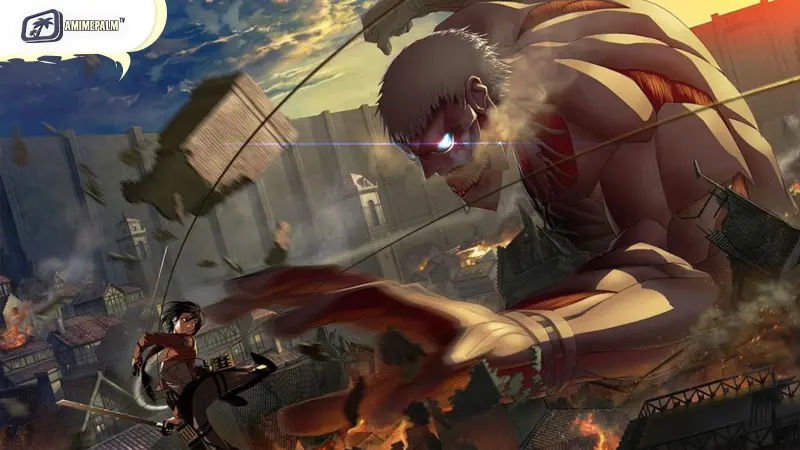
Spoiler alert if you’re new, but here’s a recap of Attack on Titan Season 1’s major beats, man, reliving this gives me chills. It starts with the Colossal and Armored Titans breaching Wall Maria, devouring Eren’s mom and scattering humanity. Eren swears to wipe out all Titans, joining the 104th Training Corps with Mikasa and Armin.

Key battles ramp up in Trost: Titans invade again, Eren “dies” but emerges as a Titan himself, plugging the hole and sparking hope. Twists pile on, Eren’s accused of being a monster, but Armin’s speech rallies allies. The arc ends with humanity’s first win, but at huge cost.

Mid-season introduces mysteries: Basement secrets in Eren’s home, government conspiracies. The 57th Expedition sees the Female Titan decimating squads, leading to chases and Levi’s squad shining. Betrayals hit hard, Annie Leonhart revealed as the Female Titan in the Stohess showdown, crystallizing herself after a brutal fight.

Character development shines: Eren grapples with his powers, Mikasa faces loss, Armin steps up as strategist. Cliffhangers? Annie’s capture, hints of more shifters, and Reiner/Bertholdt teases, setting up the mind-screw of later seasons.

Impact? Season 1’s conclusion was a game-changer, earning rave reception with 8.5+ ratings on IMDb and MyAnimeList. Critics praised its animation by Wit Studio, Hiroyuki Sawano’s epic score, and themes that hooked millions. As a fan, it left me obsessed, debating theories online, pure genius that launched AOT into stardom.

Attack on Titan Season 1 starts with Wall Maria being breached


Attack on Titan Season 1 starts with Wall Maria being breached

If this review fired you up to dive into the walls or rewatch the carnage, grab some snacks and hit play, Season 1 is where the addiction starts! For more anime news, reviews, and updates, head over to AnimePalm, they’ve got the latest on all your favorites.