Home Blog Page 4

Attack on Titan Season 4: A Fan’s Wild Ride to the End

0

Attack on Titan Season 4, also known as The Final Season, completely blew my mind and broke my heart in the best way. After the long wait following Season 3, the switch from WIT Studio to MAPPA delivered a fresh, gritty visual style that perfectly matched the story’s darker tone. This season flips the narrative, exploring the Marleyan side and escalating the Paradis war, with themes of revenge, ideology, and survival in a broken world. Whether you’re wrapping up the saga or jumping back in, this spoiler-light review on AnimePalm dives into why it’s the most powerful and emotionally intense chapter of the series.

The character arcs in Season 4 feel earned and devastating

Introduction to Attack on Titan Season 4

Titled Attack on Titan: The Final Season, this part marks a big change in who made it, Studio WIT handed the reins to MAPPA, and honestly, they nailed it with smoother animation and epic battles that pop off the screen. The story expands big time, diving into Marleyan views and the full-blown conflict with Paradis. We see the world outside the walls, where Titans aren’t just monsters but tools in a global mess of war and hate.

What makes Season 4 such a massive shift is the perspective change. For three seasons, we’ve been locked inside the walls with humanity’s scrappy survivors. Suddenly, we’re seeing Paradis Island from the outside, as a threat. This recontextualization is genius storytelling. The Marleyan empire isn’t cartoonishly evil; they have their own soldiers, their own fears, their own justifications. It’s unsettling and brilliant, forcing us to confront the reality that there are no clean sides in this conflict, only suffering on both ends.

Themes get heavy: it’s all about vengeance driving people mad, ideologies clashing like Titans in a fight, and survival on a massive scale. Freedom? It’s twisted now, with moral lines blurring everywhere. As a fan, this season hit me hard, seeing familiar faces change and new ones challenge everything made me rethink the whole story. It’s not just action; it’s a gut-punch on war’s ugliness, and I teared up more than once.

The character arcs in Season 4 feel earned and devastating. Everyone you’ve grown attached to gets tested in ways that feel almost cruel. But that’s the point, war is cruel, and the series never lets you forget it. By the end of this season, you’ll likely find yourself emotionally exhausted in the best possible way.

Attack on Titan Season 4 Release Date

Attack on Titan Season 4 kicked off with Part 1 on December 7, 2020, dropping episodes weekly and keeping fans like me glued every Sunday. Then came a wait that felt eternal before Part 2 aired from January 10, 2022, to April 4, 2022. The finale wrapped with specials in 2023: one on March 4 and the big closer on November 5. This split-release kept the hype alive but tested our patience, I binge-watched each part as soon as it dropped, yelling at twists with my buddies online.

Attack on Titan Season 4 kicked off with Part 1 on December 7, 2020


The release schedule was absolutely brutal. After Part 1 ended in March 2021, we had nearly a year-long hiatus. If you thought the wait between Season 3’s parts was bad, this was on another level. The community went absolutely wild with theories and speculation during that gap. When Part 2 finally dropped in January 2022, it was like the internet collectively lost its mind. And then having to wait over a year for the finale specials? That tested even the most devoted fans’ patience. I remember refreshing Crunchyroll religiously, counting down the days like it was Christmas.

How Many Episodes in Attack on Titan Season 4

Depending on how you count ’em, Attack on Titan Season 4 has 28 to 30 episodes, plus those specials sometimes listed as extras or split into more on streaming. Part 1 packs 16 episodes of setup and shocks, while Part 2 adds 12 more with intense build-up. The specials, “Part 3” and “Part 4”, are hour-long beasts that feel like multiple episodes jammed together, often broken into 88-94 on platforms like Crunchyroll. As a fan, the shorter count made every moment count, no fillers, just pure edge-of-your-seat drama.

Each episode in Season 4 is lean and purposeful. There’s minimal wasting time; every scene drives the narrative forward or develops characters in meaningful ways. The hour-long specials at the end are particularly impressive, they feel like proper movies rather than extended episodes. MAPPA clearly put enormous effort into these final chapters, and you can feel it in every frame. The pacing works perfectly, even when you’re experiencing information overload from the escalating complexity of the plot.

Characters of Attack on Titan Season 4

The gang’s all here: Eren Yeager goes full anti-hero mode, his growth (or descent?) is wild and divisive, I rooted for him then questioned everything. Watching Eren transform from idealistic soldier to something far more complex and troubling is one of the season’s most compelling elements. His motivations become increasingly difficult to parse, and by the end, you might not know whether to sympathize with him or despise him, and that ambiguity is intentional.

Attack on Titan Season 4 makes you sympathize with the enemies

Mikasa Ackerman stays the loyal badass, her bond with Eren tested like never before in ways that’ll hurt your heart. Her character arc is quieter than Eren’s, but it’s just as impactful. Armin Arlert steps up as the smart one, dealing with tough choices that show his growth from scared recruit to genuine strategist. His diplomatic efforts and moral wrestling add depth that’s easy to overlook but absolutely crucial to the narrative. Levi Ackerman? Still the GOAT, slicing through chaos despite the odds, proving that even legends have limits and vulnerabilities.

New faces shake things up: Gabi Braun, the fiery Marleyan kid warrior, starts off annoying but grows on you with her arc, reminds me of young Eren, which is exactly the point. She represents the cyclical nature of hatred and violence that the series explores so effectively. Falco Grice, her kinder buddy, adds heart to the enemy side, showing that compassion exists even in war. We meet more Marley folks like Pieck and Porco, plus Paradis soldiers and leaders navigating the mess.

Development is killer, alliances flip, beliefs clash, and war changes everyone. As someone who’s cosplayed Eren, seeing these shifts felt personal; it humanizes both sides, making the conflicts hit harder. By Season 4, you’ll find yourself sympathizing with characters you initially viewed as enemies, and questioning the heroism of characters you’ve loved since episode one.

The Animation and Soundtrack

The transition from WIT Studio to MAPPA could’ve been disastrous, but instead, it reinvigorated the series visually. MAPPA’s animation style is grittier and more detailed, particularly during combat sequences. The battles in Season 4 are some of the most spectacular in the entire anime, fluid, visceral, and genuinely intense. The CGI for Titans has improved significantly, though some fans have mixed feelings about it. Personally, I think it serves the story; the Titans feel more mechanical and less organic, which thematically makes sense for a season focused on war and weaponization.

Attack on Titan Season 4 is often subdued and haunting


Yuki Kajiura’s soundtrack additions complement Hiroyuki Sawano’s established themes beautifully. The music in Season 4 is often subdued and haunting, reflecting the darker tone. The opening themes are absolutely phenomenal, “My War” and “The Rumbling” by Shinsei Kamattechan evolve into something more introspective and troubled. The ending credits are equally memorable, often leaving you in a contemplative mood after each episode’s emotional gut-punches.

The Endgame Experience

The final specials are where everything culminates into something transcendent. These aren’t just extended episodes; they’re the culmination of a six-year journey through this insane world. Watching the story conclude after investing so much time and emotion is bittersweet. The finale delivers on the character arcs, the thematic explorations, and the world-building in ways that feel earned rather than rushed, a rare accomplishment for anime conclusions.

If this chat has you pumped to dive into Season 4’s chaos, grab your gear and stream it, it’s the finale that sticks with you forever! For more anime news, reviews, and updates, head over to AnimePalm, they’ve got the latest on all your favorites.

Attack on Titan Season 3: The Ultimate Uprising Arc Review

0

Attack on Titan Season 3 is the one that truly flipped the script for me — shifting from explosive Titan battles to razor-sharp political intrigue that left me gasping and reevaluating everything I thought I knew about the story. Following the shocking betrayals of Season 2, this chapter dives headfirst into the shadows within the walls, exposing hidden agendas and institutional corruption. I vividly remember theorizing like crazy during the long hiatus between parts, desperate to unravel the mysteries. Whether you’re deep into your AOT marathon or just looking for a killer recap, let’s unpack Attack on Titan Season 3 with the same electrifying hype I felt back then. We’ll break down the intro, release dates, episode count, and those unforgettable visuals — get ready for the uprising!

Attack on Titan Season 3 ramps up the stakes with threats from corrupt forces inside


Introduction to Attack on Titan Season 3

Attack on Titan Season 3 ramps up the stakes, continuing from Season 2’s cliffhangers with threats not just from Titans outside the walls, but from corrupt forces inside. The Survey Corps battles government oppression while pushing missions to reclaim Shiganshina, uncovering layers of deception about society, the royal family, and the Titans’ origins. The setting advances inward: from palace coups in the capital to basement secrets in Eren’s hometown, blending urban espionage with brutal expeditions.

Themes deepen into political intrigue, think conspiracies, power grabs, and rebellions, while exploring trust’s fragility and humanity’s dark side. Freedom’s pursuit gets complicated by moral ambiguities, like who the real monsters are. As a fan, this season’s shift to character-driven drama hooked me even more, proving AOT isn’t just about fights; it’s a commentary on society that left me debating ethics long after.

What really grabbed me about Season 3 is how it forced us to question the very institutions the characters had been fighting to protect. The Survey Corps transforms from humanity’s last hope into revolutionaries, and that shift feels earned. Kenny’s introduction alone, a character from Levi’s past who challenges everything we thought we knew, demonstrates the show’s commitment to layering its narrative. The political machinations keep you guessing, and just when you think you’ve figured out the conspiracy, the show throws another wrinkle at you. It’s exhausting in the best way possible.

Attack on Titan Season 3 Release Date

The Japanese premiere for Attack on Titan Season 3 Part 1 hit on July 23, 2018, kicking off the “Uprising” arc with weekly drops. After a hiatus that tested fans’ patience, Part 2 launched on April 29, 2019, wrapping up with the final episode on July 1, 2019. Internationally, simulcasts rolled out on Crunchyroll and Funimation right after Japanese airs, keeping global hype alive. The English dub premiered on Adult Swim starting August 18, 2018, making it easier for dub fans like me to jump in without waiting.

Attack on Titan Season 3 Part 1 hit on July 23, 2018


That wait between parts felt eternal. I remember refreshing forums obsessively, desperately hunting for theories and leaks to tide me over during those nine months of silence. The split format was both brilliant and cruel, brilliant because it built immense anticipation, but cruel because leaving us on cliffhangers during the Uprising arc felt like psychological warfare. When Part 2 finally dropped in spring 2019, the collective excitement practically broke the internet. Fans had spent months speculating about Eren’s basement and the fate of the Survey Corps, so having those questions finally answered delivered the payoff we all craved.

How Many Episodes in Attack on Titan Season 3

Attack on Titan Season 3 totals 22 episodes, cleverly split into two parts for maximum suspense: Part 1 with 12 episodes (airing July to October 2018) and Part 2 with 10 episodes (April to July 2019). This format kept the momentum without dragging, though the break between parts had fans rioting online.

The arcs covered are game-changers: The “Uprising” arc dominates Part 1, focusing on the political storyline where the Survey Corps overthrows the corrupt government, revealing royal bloodlines and mind-control tech. Part 2 dives into the “Return to Shiganshina” arc, with the mission to reclaim Eren’s home, epic Titan battles, and basement revelations that blow the lore wide open. As someone who marathoned it post-hiatus, the pacing builds from tense scheming to all-out war perfectly.

What impressed me most was how Season 3 manages to balance its two distinct halves tonally. Part 1 operates like a political thriller, with shadowy hallway conversations and strategic maneuvering taking center stage over action. It’s methodical, building trust issues between characters until paranoia feels justified. Then Part 2 flips the switch dramatically, delivering some of the most intense action sequences in the entire series. The charge toward Shinganshina is particularly spectacular, it’s a full-scale military operation that feels operatic in scope. This tonal diversity keeps Season 3 from feeling monotonous despite its length.

Poster and Visuals of Attack on Titan Season 3

The official posters for Attack on Titan Season 3 nail the dark, suspenseful tone, often featuring Eren chained on a hill with a mysterious figure approaching, symbolizing the imprisonment and revelations in the Uprising arc. Key visuals include the Survey Corps in dynamic poses amid crumbling walls, Titans looming in the background, and motifs of crowns or chains to hint at political tension and brutal battles. One prominent key art showcases Eren front and center, bloodied and determined, with allies like Levi and Mikasa ready for action, evoking the shift to internal conflicts.

Attack on Titan Season 3 posters nail the dark, suspenseful tone

These posters played a huge role in marketing, teasing the 2018 premiere and building fan anticipation through social media shares and conventions. I recall the hype when the chained Eren visual dropped, sparking endless theories. The artistic style stays gritty and intense, with Wit Studio’s animation delivering shadowy palettes, fluid fights, and Sawano’s thundering score to amp up the drama. Fans ate it up, turning posters into wallpapers and merch staples.

The visual presentation of Season 3 deserves special mention because it’s genuinely stunning. Wit Studio stepped up their game significantly, particularly during the Return to Shiganshina arc. The character animation during emotional moments feels authentic, you can see the weight of conflict on characters’ faces. The lighting design emphasizes the claustrophobic paranoia of the Uprising arc and the wide-open desperation of the final assault. Sawano’s orchestral score amplifies everything, from subtle intrigue moments to explosive action sequences. The opening theme hits different this season, and the ending credits are visually arresting.

Why Season 3 Matters

If I had to distill why Season 3 works so well, it’s because it trusts its audience. It doesn’t spoon-feed exposition or settle for simple good-versus-evil narratives. Instead, it challenges everything you thought you understood about the world and characters. The basement reveal at season’s end doesn’t provide definitive answers so much as it opens entirely new questions, questions that propel you toward Season 4.

This season proved that Attack on Titan isn’t just another action anime. It’s a thoughtful exploration of institutional corruption, the cost of freedom, and the moral compromises required to survive in a hostile world. Season 3 elevated AOT to epic status, transforming it from a fun battle series into genuine prestige television.

If this review has you geared up to unravel Season 3’s conspiracies, queue it up, it’s the pivot that makes the entire series worth your time. For more anime news, reviews, and updates, head over to AnimePalm, they’ve got the latest on all your favorites.

Attack on Titan Season 2 Episode Guide and Key Moments

0

Attack on Titan Season 2 is where the series truly punched fans in the gut — those jaw-dropping reveals had me pausing mid-episode just to process what I’d seen. The betrayals? Legendary. Coming off Season 1’s explosive cliffhanger, this shorter but sharper season dives deeper into the lore, intensifying the mystery and raising the emotional stakes. Attack on Titan Season 2 doesn’t just continue the story — it transforms it, layering in secrets that had me obsessing over fan theories for weeks. Whether you’re binging the saga or need a killer refresher, let’s break it all down with the same hype I felt after waiting four long years for this drop. From the powerful opening to the shocking twists, character arcs, recap moments, and those stunning visuals — freedom awaits beyond the walls.

Attack on Titan Season 2 picks up right where Season 1 left off

Introduction to Attack on Titan Season 2

Attack on Titan Season 2 picks up right where Season 1 left off, thrusting us into deeper revelations about the Titans, the walls’ secrets, and humanity’s true enemies. With Annie captured and Eren’s powers in play, the story escalates as the Survey Corps faces new Titan threats while uncovering traitors within their ranks. The setting remains the walled society, but now with breaches in Wall Rose and beasts lurking everywhere, the premise amps up the paranoia, it’s not just survival against monsters anymore, but against hidden agendas too.

Key themes? Trust gets shredded as secrets unravel, escalating conflicts both external (Titan hordes) and internal (betrayals and moral dilemmas). Freedom’s still the dream, but Season 2 questions who really deserves it, blending horror, action, and philosophy in ways that had me questioning alliances. As a fan, this season solidified AOT as a masterpiece, building on Season 1’s foundation to hook even harder with its twists.

One of the official key art posters for Attack on Titan Season 2, featuring the Colossal Titan looming over the main cast

How Many Episodes in Attack on Titan Season 2

Attack on Titan Season 2 clocks in at a tight 12 episodes, which aired from April 1, 2017, to June 17, 2017, yeah, after that agonizing four-year wait from Season 1, it felt like a sprint, but every minute packs a punch. This shorter format keeps the intensity non-stop, no fluff here.

Attack on Titan Season 2 aired from April 1, 2017, to June 17, 2017

The season mainly covers the “Clash of the Titans” arc from the manga, focusing on the invasion of Wall Rose and the ensuing chaos. It breaks down into high-stakes sequences: early episodes deal with the initial Titan sightings and suspicions among the 104th, mid-season ramps up with chases and battles involving the Armored and Colossal Titans, and the finale delivers massive reveals and confrontations. As someone who binged it in one sitting, the pacing is flawless, building suspense that explodes into epic fights.

Release Date of Attack on Titan Season 2

The official Japanese premiere of Attack on Titan Season 2 was on April 1, 2017, airing on MBS and other networks, kicking off the long-awaited continuation. Internationally, it hit simulcast platforms like Funimation and Crunchyroll almost immediately after each episode’s Japanese debut, making it accessible for global fans,  I remember refreshing streams at odd hours to avoid spoilers. This quick rollout built massive hype, with dubbed versions following soon after, helping AOT explode in popularity worldwide.

Characters of Attack on Titan Season 2

Season 2 brings back the core crew from Season 1, but with deeper layers that make them even more compelling. Eren Jaeger is still the rage-fueled protagonist, honing his Titan powers amid growing doubts. Mikasa Ackerman remains the protective powerhouse, her loyalty tested in brutal ways. Armin Arlert shines as the strategist, stepping up with plans that save the day. Levi Ackerman and Commander Erwin Smith lead the charge, Levi’s acrobatic kills are legendary, and Erwin’s charisma drives the Survey Corps forward. Hange Zoe gets more screen time geeking out over Titans, adding levity to the darkness.

New characters (or highlighted ones) steal the show: Reiner Braun and Bertholdt Hoover, revealed as the Armored and Colossal Titans, bring heartbreaking betrayals, their backstories add tragic depth. Ymir emerges as a key player with her Jaw Titan form and mysterious past tied to Historia Reiss (formerly Christa), exploring themes of identity and sacrifice. Other standouts include the Beast Titan’s enigmatic operator and more from the 104th like Connie and Sasha for comic relief.

Attack on Titan Season 2 brings back the core crew from Season 1

Character development is top-tier, dynamics shift with trust issues, like Eren’s crew grappling with traitors, and new alliances form in the heat of battle. As a fan, seeing these evolutions made me root harder, with merch for Reiner and Ymir spiking after the reveals.

Attack on Titan Season 2 Summary/Recap

Buckle up for this recap, spoilers ahead, but Season 2’s plot is a whirlwind of revelations. It starts with Titans appearing inside Wall Rose without a breach, sparking panic and suspicions among the scouts. The 104th cadets reunite to investigate, leading to chases involving aberrant Titans and the introduction of the Beast Titan, who commands others like a general.

Major plot points include Ymir’s transformation to save her friends, revealing her as a Titan shifter with ties to an ancient cult. The battle for Wall Rose escalates into massive confrontations: Eren fights Reiner (Armored Titan) in a brutal showdown, while Bertholdt (Colossal) unleashes steam blasts. Internal conflicts explode with Reiner and Bertholdt’s betrayal, they’re warriors from outside the walls, kidnapping Eren and Ymir for their homeland.

Mysteries unveiled: The walls contain Titans, humanity’s history is a lie, and shifters have agendas tied to “Marley.” The Survey Corps rescues Eren in a fiery climax, but at great cost, Erwin loses an arm, and alliances fracture. It ends on a teaser for royal bloodlines and the basement secrets, priming Season 3 perfectly. As a fan, those identity drops had me rewatching for clues, pure adrenaline!

Poster and Visuals of Attack on Titan Season 2

The official promotional posters for Attack on Titan Season 2 capture the season’s chaotic energy perfectly. One key art features the Colossal Titan looming massively over a breached wall, with Eren, Mikasa, and Armin in the foreground charging forward with ODM gear, bathed in dramatic lightning and fiery hues, symbolizing the clash and revelations ahead. Another collage-style poster showcases the ensemble cast amid battle scenes, with Titans in the background and a sense of urgency in their expressions, highlighting the group dynamics and escalating threats.

Attack on Titan Season 2 posters capture the season's chaotic energy perfectly
Attack on Titan Season 2 posters capture the season’s chaotic energy perfectly

The visual tone is dark and tense, with gritty animation by Wit Studio maintaining the manga’s style, shadowy palettes, intense close-ups during fights, and that iconic Sawano score pumping up the drama. These posters were huge in marketing, plastered everywhere from billboards to social media, fueling fan hype and theories. Reception? Fans loved how they teased the betrayals without spoiling, making them collector’s items, I snagged one for my wall back then!

If this review has you geared up to swing into Season 2’s twists, don’t wait, it’s the turning point that makes AOT legendary! For more anime news, reviews, and updates, head over to AnimePalm they’ve got the latest on all your favorites.

Attack on Titan Season 1: A Fan’s Heart-Pounding Review

0

Season 1 is where it all began for me, those opening episodes had me hooked, yelling at the screen, and questioning everything about humanity. I remember staying up all night bingeing it back in the day, heart racing from the Titan attacks and those mind-blowing twists. If you’re just starting or revisiting this epic, let me geek out and break it down for you. We’ll cover Attack on Titan Season 1 intro, episode deets, killer characters, and a solid recap, all with that raw passion only a true fan can bring. Let’s charge into the walls!

Introduction to Attack on Titan Season 1

Attack on Titan Season 1 exploded onto the scene in 2013, based on Hajime Isayama’s manga that’s since become a global phenomenon, selling over 140 million copies and inspiring everything from games to live-action flicks. It’s significant in anime for blending brutal action with deep philosophy, pulling in fans who love gore, mystery, and social commentary. Seriously, it redefined what a shonen series could be, ditching typical power-ups for gritty survival horror.

The setting? Humanity’s remnants huddle inside massive walls, Mare, Rose, and Sina, protecting them from Titans, these grotesque, man-eating giants that appeared out of nowhere a century ago. The premise kicks off with a peaceful life shattered when a Colossal Titan breaches the outer wall, unleashing hell. Our heroes join the fight in the Survey Corps, uncovering secrets that make you rethink everything.

Themes hit hard: survival against overwhelming odds, the quest for freedom beyond the walls, and humanity’s internal struggles, like corruption, fear, and what it means to be “human.” It’s not just monster-smashing; it’s a mirror to our world, with moral gray areas that had me debating with friends for hours. As a fan, this season’s raw intensity set the bar sky-high for the rest of the series.

How Many Episodes in Attack on Titan Season 1

Attack on Titan Season 1 packs in 25 episodes, which originally aired from April 7, 2013, to September 29, 2013, on MBS in Japan, perfect for a weekend marathon if you’re like me and can’t stop once you start. It was a weekly drop that built insane hype, with fans theorizing non-stop.

Attack on Titan Season 1 packs in 25 episodes, perfect for a weekend marathon

Breaking it down by major story arcs keeps the momentum fierce:

  • The Fall of Shiganshina (Episodes 1-2): The gut-wrenching opener where Titans invade, setting up Eren’s vow for revenge. Those first kills? Still haunt me.
  • Humanity Rises Again (Episodes 3-4): Training montage vibes as Eren, Mikasa, and Armin join the cadets, building bonds amid despair.
  • Battle of Trost (Episodes 5-13): Epic siege warfare with non-stop action, Eren’s first transformation blew my mind, and the sacrifices here hit like a truck.
  • Eve of the Counterattack (Episodes 14-16): Post-battle cleanup, introducing the Special Operations Squad and ramping up mysteries.
  • 57th Expedition Outside the Walls (Episodes 17-22): Venturing beyond the walls, facing the Female Titan, pure adrenaline with traps, chases, and betrayals.
  • Assault on Stohess (Episodes 23-25): Climactic urban battle revealing Titan shifters among humans, ending on a massive cliffhanger that left me screaming for more.

The pacing is masterful, early episodes build world and characters, then explode into chaos. No fillers; every moment counts toward the bigger picture.

Main Characters of Attack on Titan Season 1

The characters in Attack on Titan Season 1 are what make it legendary, they’re flawed, relatable, and evolve in ways that stick with you. As a fan, I love how they’re not invincible heroes; they’re kids thrust into nightmare fuel.

  • Eren Jaeger: The fiery protagonist, driven by rage after losing his mom to Titans. His mysterious power (that Titan-shifting reveal!) turns him into a symbol of hope and destruction. Voiced by Yuki Kaji, his screams are iconic.
  • Mikasa Ackerman: Eren’s adoptive sister, a badass fighter with superhuman skills from her Ackerman heritage. She’s fiercely protective, often stealing scenes with her graceful combat, my go-to for cosplay inspo.
  • Armin Arlert: The brains of the trio, Eren’s strategic bestie who’s physically weak but intellectually a beast. His plans save the day multiple times, showing smarts over brawn.

Supporting cast elevates it: Captain Levi Ackerman, the humanity’s strongest soldier with his no-nonsense attitude and insane spinning attacks, fans adore him for good reason. Commander Erwin Smith, the visionary leader risking it all for truth. Then there’s Hange Zoe for quirky Titan obsession, and folks like Jean Kirstein for that rival-to-ally arc.

Attack on Titan Season 1 characters are flawed and relatable

The Titans as antagonists are terrifying, mindless eaters with creepy grins, but Season 1 hints at deeper lore, like intelligent ones pulling strings. Their significance? They represent existential threats, forcing characters to confront fear and grow. Fan favorites? Eren for passion, Mikasa for strength, Levi for cool factor, merch flies off shelves with these icons.

Attack on Titan Season 1 Recap

Spoiler alert if you’re new, but here’s a recap of Attack on Titan Season 1’s major beats, man, reliving this gives me chills. It starts with the Colossal and Armored Titans breaching Wall Maria, devouring Eren’s mom and scattering humanity. Eren swears to wipe out all Titans, joining the 104th Training Corps with Mikasa and Armin.

Key battles ramp up in Trost: Titans invade again, Eren “dies” but emerges as a Titan himself, plugging the hole and sparking hope. Twists pile on, Eren’s accused of being a monster, but Armin’s speech rallies allies. The arc ends with humanity’s first win, but at huge cost.

Mid-season introduces mysteries: Basement secrets in Eren’s home, government conspiracies. The 57th Expedition sees the Female Titan decimating squads, leading to chases and Levi’s squad shining. Betrayals hit hard, Annie Leonhart revealed as the Female Titan in the Stohess showdown, crystallizing herself after a brutal fight.

Character development shines: Eren grapples with his powers, Mikasa faces loss, Armin steps up as strategist. Cliffhangers? Annie’s capture, hints of more shifters, and Reiner/Bertholdt teases, setting up the mind-screw of later seasons.

Impact? Season 1’s conclusion was a game-changer, earning rave reception with 8.5+ ratings on IMDb and MyAnimeList. Critics praised its animation by Wit Studio, Hiroyuki Sawano’s epic score, and themes that hooked millions. As a fan, it left me obsessed, debating theories online, pure genius that launched AOT into stardom.
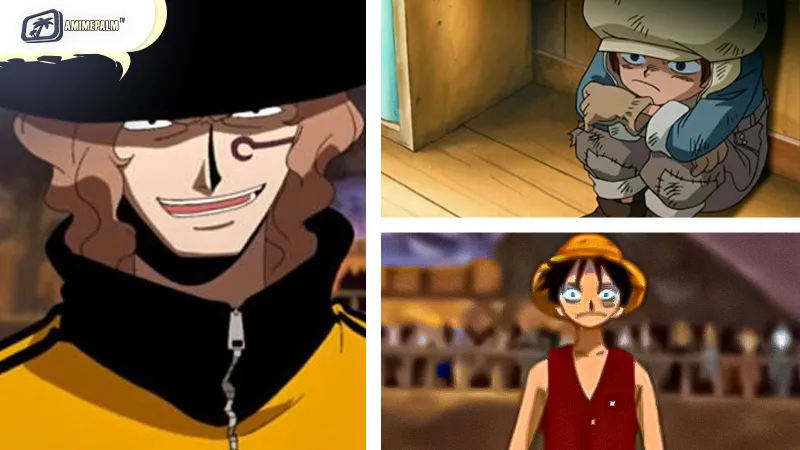
Attack on Titan Season 1 starts with Wall Maria being breached


Attack on Titan Season 1 starts with Wall Maria being breached

If this review fired you up to dive into the walls or rewatch the carnage, grab some snacks and hit play, Season 1 is where the addiction starts! For more anime news, reviews, and updates, head over to AnimePalm, they’ve got the latest on all your favorites.