Home Blog Page 3

Review: One Piece Movie 4 – Dead End Adventure and the Spirit of True Piracy

0

Among the early One Piece films, few capture the raw, adventurous energy of the series quite like One Piece: Dead End Adventure. Released in 2003 and directed by Kōnosuke Uda, this fourth movie — also known simply as One Piece Movie 4 — dives straight into a high-stakes pirate race that tests courage, loyalty, and the meaning of freedom.

While not a canon entry, it stands out as one of the most heartfelt and complete One Piece experiences outside the main story. It’s chaotic, emotional, and full of that pre–time skip charm that longtime fans still miss.

Let’s Animepalm.tv break it down.

Story Overview: The Dead End Race and the Pirate’s Gamble

Struggling for cash and hungry for excitement, the Straw Hat Pirates stumble upon whispers of a secret pirate race across the Grand Line — the legendary Dead End Race, with a massive bounty of 300 million berries waiting for the winner. Of course, Luffy and his crew can’t resist the challenge.

But the competition isn’t just about speed. Their opponents are ruthless — including Shuraiya Bascud, a bounty hunter with a mysterious vendetta, and General Gasparde, a former Marine turned pirate tyrant whose cruelty knows no limits.

Story Overview: The Dead End Race and the Pirate’s Gamble

As the Straw Hats set sail, they soon realize the race itself is a trap. Beneath the excitement lies betrayal, loss, and a tangled web of revenge. By the time the truth surfaces, this so-called adventure becomes a desperate fight for survival — and redemption.

Detailed Review: One Piece The Movie 4 (2003)
A Classic Adventure That Feels Like Peak One Piece

Unlike many early anime films that feel detached from their parent series, One Piece Movie 4: Dead End Adventure fits seamlessly into the One Piece world. Everything — from the lively pirate town buzzing with hidden codes and shady deals, to the massive underground docks teeming with ships — feels authentic.

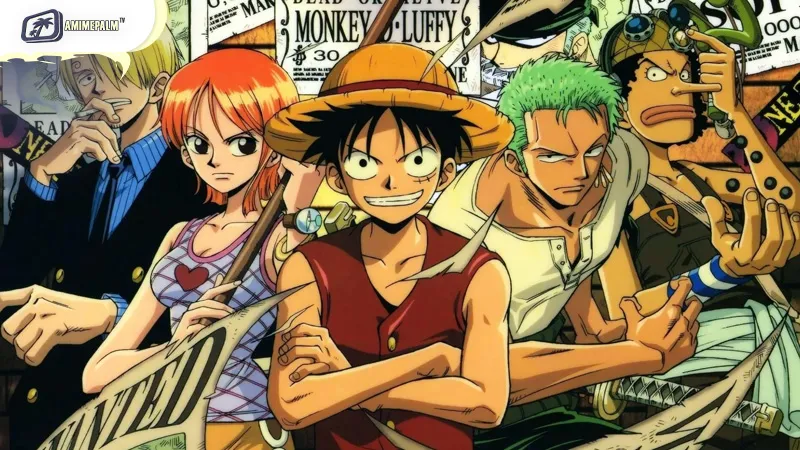
The atmosphere screams “classic One Piece.” No convoluted power systems or apocalyptic stakes, just pure adventure. It reminds us why the series resonated in the first place: because freedom, friendship, and courage are enough.

The Straw Hat Pirates prepare for the Dead End Race in a bustling pirate town filled with secrets and danger.

Even the pacing feels familiar — bursts of chaos, heartwarming quiet moments, and that unpredictable Luffy energy that keeps the story moving forward.

Luffy’s Conviction and the Emotional Core

At the heart of One Piece Movie 4 Dead End Adventure lies Luffy’s unshakeable moral compass. He’s the same cheerful fool we know — laughing in the face of danger, eating mid-battle, and dragging his crew into trouble — but when he faces injustice, his tone shifts.

Luffy’s determination burns as he faces Gasparde, the former Marine who mocks everything a pirate stands for.

Gasparde’s cruelty, his contempt for weak pirates, and his disregard for life ignite Luffy’s righteous anger. It’s the side of Luffy that makes him more than just a comedic hero — the one who stands up for the downtrodden, not for glory, but because it’s right.

The climactic duel between Luffy and Gasparde reflects this perfectly. Their fight isn’t just fists and Devil Fruit powers — it’s ideology versus ideology: freedom versus domination.

Supporting Characters That Steal the Show

While the Straw Hats remain the emotional core, the One Piece movie 4 characters introduced here are some of the best-written in the franchise’s film history.

Shuraiya Bascud starts as a cold bounty hunter known as the “Pirate Executioner.” His grudge against Gasparde is fueled by tragedy — Gasparde destroyed his family and left him haunted by revenge. What begins as a simple rivalry evolves into a complex portrayal of pain and redemption.

Shuraiya’s past and Anaguma’s secret identity intertwine, creating one of the most heartfelt subplots in One Piece movie history.

Then comes Anaguma (Badger), a scrappy stowaway who hides a heartbreaking secret. She’s actually Adelle, Shuraiya’s long-lost sister, disguised as a boy. Their reunion hits hard — not because it’s a twist, but because it feels earned. Their shared trauma humanizes both characters and ties them beautifully into the Straw Hats’ own theme: you keep living, no matter how cruel the world becomes.

Together, Shuraiya and Adelle form the emotional anchor of One Piece: Dead End Adventure — grounding its action in humanity.

Gasparde – The Villain You Love to Hate

The antagonist General Gasparde is simple, but effective. A fallen Marine who turned pirate out of spite, Gasparde embodies everything the Straw Hats oppose. His Devil Fruit — the Ame Ame no Mi (Candy-Candy Fruit) — allows him to turn his body into sticky, candy-like goop, a surprisingly creative ability that adds flair to the battles.
Gasparde’s monstrous power, fueled by the Ame Ame no Mi, turns the battlefield into a chaotic storm of candy and rage.

He’s arrogant, calculating, and unapologetically cruel. Yet what makes him compelling isn’t his power — it’s his ideology. Gasparde sees the sea as a battlefield where only the strong survive. Luffy, on the other hand, believes the sea belongs to those with dreams.

Their clash feels poetic — two pirates with opposite visions of freedom.

Animation and Visuals – Toei’s Underrated Gem

Visually, One Piece movie 4 is a leap forward for its era. Toei’s animation in 2003 wasn’t at today’s standards, but this movie shows remarkable energy. The chase scenes through raging seas, the sweeping camera angles during fights, and the barroom brawls all capture the spirit of classic shōnen adventure.

The chaotic energy of the Dead End Race comes alive through Toei’s dynamic 2003 animation and cinematic color tones.

The color palette feels warm and gritty — deep blues for the ocean, sunset golds for taverns, and glowing reds for battle scenes. It looks cinematic, not episodic.

The soundtrack complements it perfectly. Orchestral pieces swell with emotion, balancing intensity with melancholy. The sound design during the final duel — crashing waves, the clang of fists, Luffy’s strained breathing — immerses you fully.

Weak Points and Missed Opportunities

Despite being one of the strongest early One Piece films, One Piece Movie 4: Dead End Adventure isn’t flawless.

  • The Dead End Race Fades Too Fast: The pirate race, the film’s central hook, wraps up too early. We see glimpses of rival ships and chaos, but the focus shifts quickly to Gasparde’s plot.
  • Limited Screen Time for Rivals: The race setup hints at a massive pirate showdown, yet most competing crews are barely shown. Expanding those interactions could have made the world feel even bigger.
  • Predictable Plot Beats: The revenge arc and the lost-sibling reveal are well executed but not groundbreaking.
  • Animation Limitations: While strong for 2003, certain shots — especially crowd scenes — reveal Toei’s budget constraints.

Themes and Symbolism

At its core, one piece dead end adventure movie is about survival — not just physical, but emotional. It asks: What keeps you moving when life takes everything from you? For Shuraiya, it’s vengeance. For Adelle, it’s hope. For Luffy, it’s belief in freedom. Each character mirrors a different response to suffering, and by the end, all three find meaning through connection.

The Dead End Race becomes a metaphor for life’s struggles — only those who keep moving forward find true freedom.

The “Dead End” isn’t really a dead end — it’s a metaphor for despair, and how people escape it by choosing to live. The film also quietly reinforces One Piece’s biggest message: strength without compassion is empty. Gasparde’s downfall isn’t caused by power, but by arrogance — the belief that strength defines worth.

Conclusion

One Piece: Dead End Adventure may not be part of the official canon, but it embodies everything that makes the series timeless — adventure, heart, and conviction. It’s a throwback to the pre–time skip days when friendship and dreams were enough to carry a story. With rich character moments, heartfelt emotion, and a villain worth punching, this film reminds us why we fell in love with One Piece in the first place. It doesn’t try to be grand — just honest. And that sincerity makes One Piece Movie 4 an unforgettable ride worth revisiting.

Final Rating: 8.5 / 10

Review: One Piece: Clockwork Island Adventure (One Piece Movie 2) – Clockwork Island Adventure

0

One Piece: Clockwork Island Adventure was released in 2001, is the second movie in the legendary One Piece series. In this adventure, the Straw Hat Pirates embark on a thrilling rescue mission to save Chopper from the clutches of a mysterious villain on the enigmatic Clockwork Island.

As we dive into this film, we’ll explore its plot, character development, and animation style to see how it measures up within the broader One Piece universe. Stay with us as we review this exciting chapter in the Straw Hat Pirates’ journey, and be sure to follow the full review here on Animepalm.tv.

Plot Overview

In One Piece: Clockwork Island Adventure, the Straw Hat Pirates are enjoying a break when their ship, the Going Merry, is suddenly stolen along with their gear. The trail leads them to a bizarre island known as Clockwork Island-an enormous structure topped by a massive screw and ruled by the tyrannical pirate king known as Bear King.

The story follows the Straw Hat Pirates on their adventure to Clockwork Island, controlled by the Bear King brothers 
The story follows the Straw Hat Pirates on their adventure to Clockwork Island, controlled by the Bear King brothers

The crew teams up with two thief brothers, Borodo and Akisu, who are hunting the legendary “Diamond Gear” that powers the island. Meanwhile, Bear King kidnaps Nami and plans to wed her. The Straw Hats must race through inventive traps, mechanical obstacles and a pirate crew themed after playing cards to rescue Nami, reclaim their ship and stop Bear King’s grand weapon.

Detailed Review: One Piece Movie 2 – Clockwork Island Adventure

Plot and Storyline: A Quest for a Lost Treasure

The central storyline of One Piece Movie 2: Clockwork Island Adventure revolves around the Straw Hat Pirates as they embark on a quest to find a legendary treasure located on Clockwork Island. The crew comes across a mysterious girl named Tobio, who holds crucial information about the treasure’s location.

However, they are confronted by the villainous Drago, who plans to capture Tobio and seize the treasure for himself. The plot is driven by the Straw Hat Pirates’ determination to protect Tobio and thwart Drago’s schemes.

Plot and Storyline: A Quest for a Lost Treasure

While the plot is somewhat straightforward, it delivers the usual excitement, action, and humor that One Piece fans love. The treasure hunt is a classic theme in the One Piece universe, and this film introduces a unique setting and challenges for the crew. The pacing of the story keeps the audience engaged, with several exciting twists and battles along the way.

Character Development

The characters in One Piece Movie 2: Clockwork Island Adventure remain consistent with their portrayals in the TV series, and their personalities are integral to the film’s charm. Luffy’s adventurous spirit, Zoro’s loyalty, Nami’s cunning, and Usopp’s humor all shine through during the course of the film.

The interactions between the Straw Hat Pirates feel natural, and their teamwork is central to overcoming the challenges they face.

The Straw Hat Pirates' interactions are seamless, with their teamwork playing a key role in overcoming the obstacles they encounter
The Straw Hat Pirates’ interactions are seamless, with their teamwork playing a key role in overcoming the obstacles they encounter

The introduction of Tobio, the girl who knows the treasure’s location, adds a new dynamic to the crew’s interactions. While her character isn’t as developed as the main crew members, she serves as a plot device to further the adventure and provide Luffy and his crew with a new mission to undertake.

However, the movie doesn’t offer much in terms of deep character development for the Straw Hats, as the focus is primarily on the action and adventure elements of the story.

Villains – Bear King and the Clockwork Crew

One of the standout features of One Piece: Clockwork Island Adventure is the introduction of the villainous Bear King and his crew. Bear King, a tyrant who rules over Clockwork Island, embodies traditional villainy with his classic plans of domination. His plot to marry Nami and seize control of the island’s vast treasure becomes the driving force of the story, setting up the Straw Hats for a major confrontation. Although Bear King lacks the depth of some of One Piece’s most memorable antagonists, his role effectively positions him as a formidable and memorable foe for the Straw Hat Pirates.

One of the standout features of One Piece: Clockwork Island Adventure is the introduction of the villainous Bear King and his crew

The Clockwork Pirates, members of Bear King’s crew, add an extra layer of interest with their diverse designs and distinctive fighting styles. Each member of the crew is inspired by playing cards, and each presents a unique challenge for the Straw Hats to overcome. While they may not have the same impact as the series’ iconic villains, their individual quirks and dynamic battles contribute to the fun and excitement of the film, offering viewers a fresh set of enemies to watch the Straw Hats battle against.

Humor and Tone: Balancing Action and Comedy

One Piece Movie 2: Clockwork Island Adventure successfully blends action and humor, maintaining the series’ signature style. Luffy’s carefree nature and exaggerated antics bring much of the comedy, contrasting well with the film’s intense action sequences. The humor often comes from the Straw Hat Pirates’ interactions, especially with Zoro’s serious attitude and Usopp’s comedic cowardice, providing light-hearted moments even during high-stakes battles.

This movie strikes a balance between action and humor, keeping the audience entertained 
This movie strikes a balance between action and humor, keeping the audience entertained

However, at times, the humor can feel forced, interrupting the action’s momentum, particularly when it becomes a bit too silly or out of place. Despite this, the film stays true to the One Piece spirit, where comedy and action complement each other. In the end, the film successfully captures the essence of the series, balancing fun and excitement, and ensuring fans of the anime can enjoy both thrilling action and classic humor.

Conclusion

One Piece: Clockwork Island Adventure delivers an entertaining and action-packed experience for fans of the series, bringing the Straw Hat Pirates to the big screen in an exciting new adventure. While the movie maintains the series’ trademark humor and action, it doesn’t provide significant character development or a particularly deep villain, making it a fun yet somewhat predictable ride.

Despite its flaws, it’s a worthwhile watch for anyone looking to revisit the early days of the One Piece franchise and enjoy the iconic characters in a thrilling new setting.

If you’re a fan of the One Piece universe, this movie is definitely worth a watch. To keep up with more reviews and the latest updates, be sure to stay tuned to our website at AnimePalm.

Final Rating: 6.6 / 10

Review of One Piece Movie 1 (2000): The First Big Screen Adventure

0

Get ready to revisit the iconic first big-screen adventure of the Straw Hat Pirates in One Piece Movie 1 (2000). This film marks the beginning of their journey outside the anime series and brings a treasure hunt to life with all the excitement you expect. But does it still stand the test of time in the One Piece universe? Read on to find out and don’t forget to follow Animepalm.tv for more insights.

What Is One Piece Movie 1 About?

One Piece Movie 1 is the first feature film in the One Piece franchise, released in 2000. Set in the early East Blue Saga, it follows Monkey D. Luffy and the Straw Hat Pirates as they venture into new territories in search of treasure.

The plot centers on a mysterious treasure left behind by the legendary pirate Woonan, who was said to have hidden his massive fortune. Luffy and his crew are caught in a race against time after being pursued by the villainous pirate El Drago, who has learned about Woonan’s treasure.

The movie follows Luffy and the Straw Hat Pirates on their journey to find a treasure chest drifting on the sea

The Straw Hats face a series of challenges as they attempt to locate the treasure and thwart El Drago’s plans, which includes getting tangled with a young boy named Tobio and his grandfather, Ganzo. Throughout the film, Luffy and his crew showcase their skills and bonds while navigating dangerous obstacles on their quest for treasure.

Detailed Review: One Piece The Movie 1 (2000)

Plot Summary

One  Piece  Movie  1, also titled One Piece: The Movie, takes place during the early East Blue saga of the franchise. A legendary pirate named Woonan reportedly vanished with nearly one‑third of the world’s gold, and now the ruthless El Drago obtains a treasure map leading to Woonan’s hidden island.

Meanwhile, the Straw Hat Pirates, starving after being robbed, find themselves pulled into the search for that hidden fortune along with a young boy named Tobio and his grandfather Ganzo. The adventure becomes a race across remote waters and secret traps, as loyalties and dreams are tested.

Scene from One Piece Movie 1 as Drago's crew pressures Tobio about Woonan’s hidden treasure.
Scene from One Piece Movie 1 as Drago’s crew pressures Tobio about Woonan’s hidden treasure.

After the Straw Hat Pirates discover a treasure chest, Drago’s pirate crew forces the girl Tobio to reveal the location of the legendary treasure hidden in Woona.  

The Central Conflict: Treasure Hunt for Woonan’s Gold

The plot of One Piece Movie 1 revolves around the search for Woonan’s legendary treasure, said to be hidden on a secluded island. The movie’s central conflict arises as the Straw Hat Pirates get entangled in a battle for the treasure, while trying to help a young boy, Tobio, and his grandfather, Ganzo. The antagonist, El Drago, also has his eyes set on the treasure and will stop at nothing to get it.

The storyline emphasizes the classic treasure hunt narrative, which is a well-loved theme in adventure tales, particularly in pirate lore. The conflict between Luffy’s crew and El Drago adds an element of high stakes and intense action, even though the plot itself is relatively straightforward. The pursuit of treasure drives the film forward, highlighting the adventurous spirit of the Straw Hat crew.

One Piece Movie 1 centers on a pirate treasure hunt as Luffy’s crew faces off against El Drago.

The plot of One Piece Movie 1 follows the search for Woonan’s legendary treasure, believed to be hidden on a remote island

Character Development: Focus on Luffy and His Crew

One of the key aspects of One Piece Movie 1 is the development of the characters, especially Luffy. Although the film doesn’t dive deeply into their backstories, it does a great job of showcasing the personality traits that fans have come to love. Luffy’s unwavering determination and carefree spirit are front and center, especially when facing off against a powerful enemy like El Drago.

The loyalty and camaraderie between the crew members is also apparent, with each character playing a significant role, such as Zoro’s strength, Nami’s intelligence, and Usopp’s wit. The dynamic between Luffy and his crew remains one of the film’s strongest elements. As a fan, seeing the Straw Hat Pirates in action together brings back the essence of the show’s charm.

One Piece Movie 1 showcases Luffy’s bold spirit and the strong bond within the Straw Hat crew.

One Piece Movie 1 is the development of the characters, especially Luffy

Animation and Visual Style: A Classic Yet Outdated Feel

The animation style in One Piece Movie 1 is distinctly traditional, reflecting the early stages of the One Piece anime series. Released in 2000, the hand-drawn animation brings a sense of nostalgia to long-time fans, taking them back to the roots of the franchise.

However, when compared to the more polished animation of later One Piece films, it may feel somewhat outdated. While the action sequences remain enjoyable and showcase the characters’ distinct abilities, the overall visual quality lacks the smoothness and detail that would become characteristic of later entries in the series.

Despite this, the animation still effectively captures the charm and feel of the early episodes, which adds to its nostalgic appeal for fans who appreciate the classic, hand-drawn anime style.

One Piece Movie 1 features classic hand-drawn animation from the early days of the series.

The animation style in One Piece Movie 1 is traditional, capturing the early days of the One Piece anime series

Why It’s a Must-Watch for One Piece Fans

Despite being a non-canon film, One Piece Movie 1 holds a special place in the hearts of many fans. The film offers a fun and light-hearted adventure that brings the Straw Hat Pirates back to their roots, embodying the core themes of friendship, treasure hunting, and overcoming obstacles.

It serves as a reminder of what makes One Piece so beloved: the dynamic characters, their bond, and their never-ending pursuit of adventure. While the film might not have the deep character development or intricate plotlines that define the series’ main arcs, it remains an enjoyable ride for fans who want to revisit the early days of Luffy and his crew. The nostalgic factor alone makes it worth watching, especially for those who enjoy seeing the crew interact in fun and exciting scenarios

Conclusion

One Piece Movie 1 remains a key milestone in the franchise, offering fans their first big-screen adventure with the Straw Hat Pirates. While its animation and pacing may feel outdated, it captures the essence of early One Piece, making it a must-watch for long-time fans. The straightforward treasure hunt plot introduces the crew’s dynamic and is both fun and engaging. Whether revisiting or discovering it for the first time, this movie is a classic in anime history. If you haven’t seen it yet or want to relive it, be sure to check it out. For more One Piece content and reviews, stay tuned to AnimePalm.

Final Rating: 6.9 / 10

One Piece Movie Rankings: The Best Films in the Franchise

0

One Piece Movie entries aren’t just bonus content – they’re thrilling adventures that expand the One Piece universe in powerful ways. Whether you’re new to the series or a longtime fan, the films offer unforgettable stories, epic battles, and emotional moments you won’t find in the anime alone.

At animepalm.tv, we help you watch them right. You can enjoy One Piece movies in two ways: by release order for simplicity, or in chronological order for a deeper, arc-aligned experience.

And don’t skip the One Piece filler arcs just yet – some are crucial before certain movies. In this guide, we’ll show you exactly which ones to watch to get the most out of your journey with the Straw Hat crew.

​​One Piece Movies and TV Specials: Release Date Order

To fully enjoy the One Piece movies and TV specials, it’s essential to watch them in the order they were released. This approach allows you to experience the series as it was intended, with each movie and special aligning with the ongoing story arcs of the anime.

​​One Piece Movies and TV Specials: Release Date Order
  1. One Piece: The Movie (2000)
  2. One Piece: Clockwork Island Adventure (2001)
  3. One Piece: Chopper’s Kingdom on the Island of Strange Animals (2002)
  4. One Piece: Dead End Adventure (2003)
  5. The Cursed Holy Sword (2004)
  6. One Piece: Baron Omatsuri and the Secret Island (2005)
  7. One Piece: The Giant Mechanical Soldier of Karakuri Castle (2006)
  8. One Piece – Episode of Arabasta: The Desert Princess and the Pirates (2007)
  9. One Piece – Episode of Chopper Plus: Bloom in Winter, Miracle Sakura (2008)
  10. One Piece Film: Strong World (2009)
Watch One Piece Movies in release order to follow the story as originally intended.
  1. One Piece 3D: Straw Hat Chase  (2011)
  2. One Piece Film: Z (2012)
  3. 3D2Y: Overcome Ace’s *spoiler*! Luffy’s Vow to His Friends – TV Special (2014)
  4. Episode of Sabo: Bond of Three Brothers – A Miraculous Reunion and an Inherited Will – TV Special (2015)
  5. Adventure of Nebulandia – TV Special (2015)
  6. Heart of Gold – TV Special (2016)
  7. One Piece Film: Gold (2016)
  8. Episode of Sky Island – TV Special (2018)
  9. One Piece: Stampede (2019)
  10. One Piece Film: Red (2022)
Experience One Piece Movies in order for the best connection to the anime storyline.

One Piece Movies and TV Specials: Chronological Order

For a more immersive One Piece experience, watching the movies and TV specials in chronological order aligns the events with the anime episodes. Here’s the chronological order to follow for a seamless viewing journey.

  1. One Piece: The Movie (watch after episode 18)
  2. One Piece: Clockwork Island Adventure (watch after episode 53)
  3. One Piece: Chopper’s Kingdom on the Island of Strange Animals (watch after episode 102)
  4. One Piece: Dead End Adventure (watch after episode 138)
  5. The Cursed Holy Sword (watch after episode 143)
  6. Episode of Sky Island – TV Special (watch after episode 206)
  7. One Piece: Baron Omatsuri and the Secret Island (watch after episode 224)
  8. One Piece: The Giant Mechanical Soldier of Karakuri Castle (watch after episode 228)
  9. One Piece – Episode of Arabasta: The Desert Princess and the Pirates (watch after episode 312)
  10. One Piece – Episode of Chopper Plus: Bloom in Winter, Miracle Sakura (watch after episode 325)
  11. One Piece Film: Strong World (watch after episode 429)
  12. One Piece 3D: Straw Hat Chase  (watch after episode 381)
  13. One Piece Film: Z (watch after episode 578)
  14. 3D2Y: Overcome Ace’s *spoiler*! Luffy’s Vow to His Friends – TV Special (watch after episode 658)
  15. Episode of Sabo: Bond of Three Brothers – A Miraculous Reunion and an Inherited Will – TV Special (watch after episode 705)
  16. Adventure of Nebulandia – TV Special (watch after episode 722)
  17. Heart of Gold – TV Special (watch after episode 749)
  18. One Piece Film: Gold (watch after episode 750)
  19. One Piece: Stampede (watch after episode 889)
  20. One Piece Film: Red (watch after episode 1030)
One Piece Movies and TV Specials: Chronological Order

A complete list of One Piece movies and TV specials in chronological order, ensuring you experience the story as it unfolds

FAQs

  1. Which One Piece movie is considered the best?

The best One Piece movie depends on personal taste, but many fans consider One Piece Film: Z and One Piece Film: Strong World to be among the top due to their captivating stories and impressive animation.

  1. Can I watch the One Piece movies without following the anime series?

Yes, you can enjoy most of the One Piece movies as standalone stories. However, watching the anime series will give you more context, especially for the characters and their background.

  1. Are there any movies that are directly related to the anime plot?

Yes, several One Piece movies are canon or tie into the main plot of the anime, such as One Piece Film: Strong World and One Piece Film: Z. These movies connect to key arcs in the anime.

  1. How many One Piece movies are there in total?

As of now, there are 15 main One Piece movies, including both canon and non-canon films, along with numerous TV specials.

  1. What is the best movie to watch for a new One Piece fan?

For new fans, One Piece Film: Strong World and One Piece Film: Z are great starting points. They offer exciting storylines, major character moments, and top-tier animation that can hook you into the One Piece universe.

  1. Are the filler movies worth watching?

Filler movies, like One Piece: Episode of Chopper – The Miracle Winter and One Piece: Heart of Gold, may not be critical to the overall plot but can still be fun to watch for fans who enjoy more adventures with the Straw Hat Pirates.

  1. Do I need to watch the One Piece TV specials to understand the movies?

It’s not required, but some One Piece TV specials tie into the movie plots, adding extra depth to certain characters and events. If you’re aiming for a complete One Piece experience, it’s worth checking out the specials.

The One Piece Movie franchise offers thrilling adventures and unforgettable characters that continue to captivate fans worldwide. From One Piece Film: Z to One Piece Film: Strong World, each movie brings something unique. Enjoy the films in the right order to fully experience the rich stories. For more One Piece content, stay updated by following us at AnimePalm. Happy watching!

The Ultimate One Piece Filler Episode List For Fans

0

For any One Piece fan, deciding which filler episodes are worth watching can be tricky. With its expansive world and ever-growing list of episodes, filler arcs often stand out as deviations from the main storyline. In this guide, AnimePlam.TV presents a comprehensive list of One Piece filler episodes, so you can easily determine which episodes are essential and which ones you might want to skip. Whether you’re a casual viewer or a die-hard fan, this list will make your One Piece journey smoother and more enjoyable.

How Many One Piece Filler Episodes Are There?

One Piece is the story of Monkey D. Luffy, who dreams of becoming the Pirate King by finding the legendary One Piece treasure. The One Piece anime started airing in October 1999 and continues to captivate audiences, boasting over 1100 episodes. Even after twenty-six years, the journey is far from over, though we are currently in the final saga of the series.

With over 1100 episodes, One Piece contains 9% filler, amounting to a total of 100 filler episodes

Out of the more than 1100 episodes, approximately 9% are fillers, which equates to about 100 filler episodes in total. If you’re just beginning your adventure with Luffy and his crew, it’s a good idea to skip the fillers and dive into the main storyline until you’ve caught up with the latest episodes. Now, let’s explore all the filler episodes, highlighting the best fillers to enjoy and the worst ones you might want to avoid.

List of Every Filler Episode in One Piece

The One Piece anime includes several arcs that are purely filler, while others are essential to watch before diving into certain One Piece movies. Ultimately, it’s up to the viewers whether they want to watch these filler episodes or skip them. However, if you’re planning to watch the One Piece movies, there are a few specific arcs you should definitely watch to fully understand the story.

If you’re just beginning your One Piece journey, we highly recommend you check out this list to avoid missing any important canon-mixed fillers. To make it easier for you, we’ve summarized the One Piece filler episodes in the table below for quick reference.

Filler Episodes Episode Numbers Watch or Skip?
Warship Island Arc 54-60 Skip
Arabasta Mini-Filler Arc 98, 99, and 102 Skip
Post-Arabasta Arc 131-135 Skip
Goat Island Arc 136-138 Skip
Ruluka Island Arc 139-143 Skip
G-8 Arc 196-206 Must Watch
Ocean’s Dream Arc 220-224 Skip
Foxy’s Return Arc 225,226 Skip
Straw Hat’s Backstories Arc 279-283 Skip
Straw Hat and Buggy’s Adventures Arc 291, 292, 303 Skip
Post Ennies Lobby Filler Arc 317-319 Watch
Ice Hunter Arc 326-336 Watch
Spa Island Arc 382-384 Skip
Boss Luffy Arc 406,407 Skip
Little East Blue Arc 426-429 Watch
A Special Retrospective Before Marineford Arc 457,458 Skip
One Piece x Toriko Crossover 1 492 Watch (if you are a fan of both anime)
Luffy’s Past 499 Must Watch
Straw Hats Reaction 506 Watch
One Piece x Toriko Crossover 2 542 Watch (if you are a fan of both anime)
Z’s Ambition Arc 575-578 Watch
One Piece x Dragon Ball x Toriko 590 Watch (if you are a fan of these anime)
Caesar Retrieval Arc 626-628 Watch
Silver Mine Arc 747-750 Skip
Straw Hats Rescue Operation 775 Watch only the canon part
Marine Rookie Arc 780-782 Skip
Cidre Guild Arc 895 & 896 Watch
Romance Dawn Special 907 Skip
Uta’s Past 1029 & 1030 Watch
Time to Depart – The Land of Wano and the Straw Hats 1084 Must Watch

Alright, that’s the complete and up-to-date list of One Piece fillers. Additionally, we recommend checking out the descriptions of the filler arcs below to get an overview of their stories. It’ll help you decide which ones are worth watching and which you can skip.

One Piece Filler Arcs That Are Worth Watching

Now that you’ve seen the complete filler list, let’s dive into the One Piece filler arcs that are definitely worth your time and attention. These arcs add value to the story and offer a deeper look at the characters you love.

1. G-8 Arc – Best One Piece Filler Arc

Episodes: 196-206

The G-8 Arc follows the Skypiea adventures and stands as the fifth filler arc in the One Piece anime. It’s widely regarded as one of the funniest and best filler arcs in the series. In this arc, the Straw Hat Pirates find themselves trapped inside a marine base and must figure out a way to survive and escape with their ship. If you’re searching for a filler arc that’s both entertaining and filled with humor, the G-8 Arc is a must-watch.

G-8 Arc – Best One Piece Filler Arc

2. Post Ennies Lobby Arc

Episodes: 317-319

After the Enies Lobby arc, the Straw Hat Pirates return to Water 7 in the Post-Enies Lobby arc. However, before diving into the main story, there’s a mini filler arc where each member of the Straw Hat crew runs an errand in individual episodes. These filler episodes are lighthearted and entertaining, offering a fun glimpse into the personalities of the crew. For example, Zoro’s hilarious struggle with handling three babies is a moment you won’t want to miss.

Post Ennies Lobby Arc 
Post Ennies Lobby Arc

3. Ice Hunter Arc

Episodes: 326-336

The Ice Hunter arc occurs after the Post-Enies Lobby arc and is the eighth filler arc in One Piece. As the Straw Hat Pirates make their way to the Florian Triangle, they come across a damaged ship and decide to assist its crew, only to discover that the crew members are part of a bounty hunter group. This leads to a confrontation between the Straw Hats and the bounty hunters.

While the One Piece manga hasn’t introduced the concept of bounty hunters, watching this filler arc can provide some additional action and character moments. However, it’s not essential to the main storyline, so you can choose whether to watch it or skip it based on your preference.

The Ice Hunter arc 
The Ice Hunter arc

4. Luffy’s Past – Must-Watch Filler Episode

Episode: 499

This single-episode filler appears during the Postwar arc and is one of the best filler episodes in One Piece. It features the ASL trio as they try to help Naguri, a fan-favorite anime-only character. This filler also ties in with the Roger Pirates, making it a special and essential filler to watch. If you’re a fan of the ASL trio or the Roger Pirates, this episode should definitely be on your watch list!

Luffy’s Past 
Luffy’s Past

5. Straw Hats Reaction

Episodes: 506

This anime-canon episode, often considered a filler by the fandom, is one of the more significant episodes in One Piece. In it, the Straw Hats receive shocking news about Marineford, which adds an important layer to the overall story. This episode provides crucial context and is highly recommended for all One Piece fans to watch.

Straw Hats Reaction 
Straw Hats Reaction

6. Z’s Ambition Arc – First One Piece Filler Arc After Time Skip

Episodes: 575-578

The Z’s Ambition Arc occurs after the time skip, making it the first filler arc post-time skip. This arc serves as a setup for One Piece Film: Z. In this storyline, the Straw Hat Pirates journey to the Maubeugemour Sea in the New World, where they are caught up in a conflict with the Neo-Marines. If you plan to watch One Piece Film: Z, these four filler episodes are essential to watch.

The Z’s Ambition Arc 
The Z’s Ambition Arc

7. Caesar Retrieval Arc

Episodes: 626-628

The Caesar Retrieval Arc occurs after the Punk Hazard Arc, where a group of mysterious figures kidnaps Caesar from the Straw Hats. Now, the Straw Hats and the Heart Pirates must team up to find him or rather, kidnap him back. These filler episodes provide a deeper look at the troublesome villain Caesar, so they are worth watching for fans who want to know more about his role in the story.

The Caesar Retrieval Arc 
The Caesar Retrieval Arc

8. Cidre Guild Filler Arc

Episodes: 895 and 896

The Cidre Guild Arc is the fourteenth filler arc in the One Piece series and takes place in the midst of the Wano Arc. This arc serves as a setup for the One Piece Stampede movie. The Straw Hats unexpectedly encounter Boa Hancock and join forces with her to battle a group of bounty hunters known as the Cidre Guild.

If you plan to watch One Piece Stampede, this filler arc will provide useful context, though you can choose to skip it if you prefer. However, the One Piece Stampede movie is a fan favorite, so it’s definitely worth watching!

Cidre Guild Filler Arc 
Cidre Guild Filler Arc

9. Uta’s Past Arc

Episodes: 1029 and 1030

Uta’s Past is the fifteenth filler arc of the One Piece series and aired recently. This arc directly ties into the One Piece Film: Red, providing a deeper look into Uta’s character and her connection to Luffy’s past. While Uta’s character is considered canon, the events that unfold during this arc have not been confirmed as part of the main storyline.

If you’re planning to watch the latest One Piece Film: Red, these filler episodes are a must-watch to understand Uta’s backstory. However, if you prefer, you can continue watching the Raid on Onigashima arc instead.

 One Piece Uta's Past
One Piece Uta’s Past

10. Time to Depart – The Land of Wano and the Straw Hats

Episode: 1084

As the Wano Country arc concluded in the anime, the staff created a special goodbye filler episode set in the samurai country. This episode was celebrated by both anime and manga fans for its ability to perfectly capture the emotional parting and conclusion of each character’s journey at Wano.

Since this filler episode brilliantly achieved what Oda-sensei was unable to include in the main storyline, it is a must-watch for all fans who want to fully celebrate the ending of the Wano arc. This is the latest filler episode in One Piece.

Time to Depart – The Land of Wano and the Straw Hats

One Piece Fillers Episodes That You Can Skip

If you’re looking to streamline your One Piece watching experience and skip the fillers that don’t contribute much to the main storyline, here’s a list of One Piece filler episodes that you can safely skip without missing any major plot developments.

1. Warship Island Arc – First One Piece Filler Arc

Episodes: 54-60

The Warship Island arc is the first filler arc in One Piece, where the Straw Hats rescue a girl named Apis, who escaped from a warship, and help her return to her homeland. While it does offer some action and character moments, it doesn’t add much to the main storyline, so it’s safe to skip if you’re focusing on the central plot.

First One Piece Filler Arc: Warship Island Arc

2. Arabasta Mini-Filler Arc

Episodes: 98, 99, and 102

These filler episodes don’t form a complete arc but instead feature standalone storylines where the Straw Hat Pirates, along with Vivi, visit various parts of the Arabasta country. While these episodes offer a lighthearted break from the intense Arabasta arc, they don’t contribute significantly to the main plot. You can watch them for some relief, but if you’re eager to continue the main storyline, feel free to skip them and move forward with the Straw Hats’ journey.

Arabasta Mini - Filler Arc 
Arabasta Mini – Filler Arc

3. Post-Arabasta Arc

Episodes: 131-135

The Post-Arabasta arc takes place after Crocodile’s defeat and consists of five standalone episodes. As the second filler arc in the series, each episode delves into the goals and dreams of the Straw Hat crew members, though Luffy’s and Robin’s dreams are notably absent. If you’re interested in learning more about the crew’s personal aspirations, this arc is worth watching. However, many fans feel that it lacks depth in terms of narrative, making it an optional filler if you’re focused on advancing the main storyline.

Post-Arabasta Arc 
Post-Arabasta Arc

4. Goat Island Arc

Episodes: 136-138

The Goat Island arc follows the Straw Hats as they mistakenly land on an island while evading the Marines. In this third filler arc, Luffy and his crew come across an elderly man who tends to a large herd of goats, giving the island its name. The crew decides to help the old man repair his ship, but the arc lacks significant plot development. This filler is considered weak by many fans, and it can easily be skipped if you want to save time and stay focused on the main story.

Goat Island Arc 
Goat Island Arc

5. Ruluka Island Arc – Rainbow Mist One Piece Filler Arc

Episodes: 139-143

The Ruluka Island arc, also known as the Rainbow Mist Arc, takes place immediately after the Goat Island arc in One Piece. This fourth filler arc features the Straw Hats being pursued by the Marines once again and landing on a new island. The island is under the rule of a former pirate named Ruluka, who exploits the island’s residents with heavy taxation. Luffy and his crew step in to help, but the arc doesn’t add much to the overall plot. Like many other fillers, this one can be skipped, allowing you to move straight into the Jaya Arc without losing time.

Ruluka Island Arc – Rainbow Mist One Piece Filler Arc 

6. Ocean’s Dream Arc – Filler Episodes Based on PS Gam

Episodes: 220-224

The Ocean’s Dream arc, the sixth filler arc in One Piece, is based on a PlayStation game of the same name. The plot revolves around a young man who erases the memories of the Straw Hat Pirates, causing each member to forget who the others are. They find themselves in a strange and disorienting situation, with only Robin retaining her memories. While the unique premise may draw some viewers in, these four filler episodes don’t have a significant impact on the main storyline. You can easily skip them without missing out on essential content.

Ocean’s Dream Arc – Filler Episodes Based on PS Gam 
Ocean’s Dream Arc – Filler Episodes Based on PS Gam

7. Foxy’s Return Arc

Episodes: 225, 226

The Foxy’s Return arc is the seventh filler arc in One Piece, following closely after the Ocean’s Dream arc. In this arc, the Straw Hats encounter Foxy once again, leading to another clash between the two parties. While this arc offers a bit of comic relief, it is widely considered skippable, especially since Foxy is one of the more disliked characters in the One Piece fandom.

However, episodes 225 and 226 are a mix of canon and filler, so you might want to watch them if you don’t want to miss some key canon moments. That said, be warned that the rest of the filler arc might not be to everyone’s taste, so it’s advisable to skip it if you’re looking to get to the more important parts of the series.

Foxy’s Return Arc 
Foxy’s Return Arc

8. Straw Hat’s Backstories Arc

Episodes: 279-283

As the name suggests, this filler arc focuses on the backstories of the Straw Hat Pirates. However, these stories aren’t new, as we’ve already seen them in various parts of the main series. Each filler episode highlights the backstory of a specific Straw Hat, and some episodes even combine two backstories into one.

While it offers a chance to revisit the crew’s past, this arc is largely unnecessary and can be easily skipped without missing anything critical. However, if you feel nostalgic and want to relive the origins of your favorite characters, feel free to watch it.

Straw Hat’s Backstories Arc 
Straw Hat’s Backstories Arc

9. Straw Hat and Buggy’s Adventures Arc

Episodes: 291, 292, 303

In this filler arc, the Straw Hat Pirates, alongside Buggy, find themselves in the Edo Period of Japan. The focus is on the events surrounding the Grand Jipangu and the Great Mochimaki Race festival. A fun highlight is seeing Luffy sing once again.

Additionally, the Straw Hats wear traditional Japanese outfits, a look that will later appear in a future canon arc. This mini filler is mildly entertaining, offering some light-hearted moments, but it’s easy to skip without missing much.

Straw Hat and Buggy’s Adventures Arc

10. Spa Island Arc – Fan Service One Piece Fillers

Episodes: 382-384

The Spa Island arc occurs right after the Thriller Bark arc and is the ninth filler arc of One Piece. This filler, much like others, leans heavily on fan service, featuring a spa setting where the Straw Hats relax and unwind. However, their peace is short-lived as they are interrupted by Foxy, a character many fans find annoying. Given its lack of significance to the main storyline, this arc is easily skippable if you’re looking to save time.

Spa Island Arc – Fan Service One Piece Fillers 
Spa Island Arc – Fan Service One Piece Fillers

11. Boss Luffy Arc

Episodes: 406-407

Similar to the earlier filler arc involving the Straw Hats and Buggy, this one is also set in the Edo period of Japan. In this alternate universe, the main event is the Portable Shrine race, where pirates compete for a grand prize of 1,000,000 berries. Luffy takes on the role of Boss Luffy and joins his crew in the race. While the concept may seem interesting, the arc feels a bit dull and lacks significant plot development, making it an easy one to skip without missing much.

Boss Luffy Arc 
Boss Luffy Arc

12. Little East Blue Arc – Anime-only One Piece Filler Episodes

Episodes: 426-429

The Little East Blue Arc is a special anime-only filler arc that serves as a prelude to the One Piece Film: Strong World. In this arc, the Straw Hats stumble upon a mysterious island that resembles East Blue. If you’re planning to watch the Strong World movie, these filler episodes are essential to understanding some of the context, making them worth watching before diving into the film.

Little East Blue Arc 
Little East Blue Arc

13. A Special Retrospective Before Marineford Arc

Episodes: 457-458

There are two special filler episodes that precede the iconic Marineford arc in One Piece, which is widely regarded as one of the best arcs in the series. These episodes serve as retrospectives, revisiting important past events. Episode 457, in particular, centers around Luffy reflecting on his past and Ace’s confrontation with Blackbeard, providing deeper emotional context before the intense battles of Marineford begin.

A Special Retrospective Before Marineford Arc

14. One Piece x Toriko Crossover 1

Episode: 492

One Piece teamed up with the popular anime Toriko for a crossover episode where the Straw Hats join forces with the Toriko squad to rescue their kidnapped nakama from the Cocoalas. If you’re a fan of both anime, this episode is definitely worth watching. However, if you’re not particularly interested, it’s best to skip it without hesitation.

One Piece x Toriko Crossover 1 
One Piece x Toriko Crossover 1

15. One Piece x Toriko Crossover 2

Episodes: 542

One Piece teamed up with Toriko once again to create another crossover episode. If you’re a fan of both anime series or simply curious about the collaboration, it’s worth a watch. However, if you’re not particularly interested in the crossover, it would be best to skip this episode without missing much from the main storyline.

One Piece x Toriko Crossover 2 
One Piece x Toriko Crossover 2

16. One Piece x Dragon Ball x Toriko

Episodes: 590

Wouldn’t it be exciting to see Luffy, Goku, and Toriko teaming up? If you’re a long-time fan of these iconic anime, don’t miss this crossover episode. It’s a treat for all the fans of these characters. However, if you’re not that interested in the crossover or feel it’s not worth your time, then feel free to skip it, just like the other filler episodes in our One Piece filler list.

One Piece x Dragon Ball x Toriko 
One Piece x Dragon Ball x Toriko

17. Silver Mine Arc

Episodes: 747-750

The Silver Marine arc takes place after the Dressrosa arc and serves as a setup for the One Piece Film: Gold. In this arc, Luffy and Barto are kidnapped by the Silver Pirates and must figure out a way to escape from their stronghold, a fortress surrounded by silver mines. If you’re planning to watch the One Piece Film: Gold movie, this arc is essential. However, it is often considered slow and less exciting by many fans, so it falls into the skippable category in our One Piece filler list.

The Silver Marine arc 
The Silver Marine arc

18. Straw Hats Rescue Operation

Episodes: 775

This one-episode filler takes place within the Zou arc, following the main events. It focuses on the Straw Hats as they explore the regions of Zou, encountering new dangers they must face. While it provides a moderate level of enjoyment, it is more of a time-pass filler rather than an essential or rewatchable episode like the best fillers in the series. It’s worth watching once, but it doesn’t offer much depth or lasting impact in the overall story.

Straw Hats Rescue Operation 
Straw Hats Rescue Operation

19. One Piece Marine Rookie Arc

Episodes: 780-782

The Marine Rookie arc takes place after the Zou arc as the Straw Hat Pirates make their way to Whole Cake Island to rescue Sanji. During their journey, they run low on food supplies and decide to raid a nearby Marine base, disguising themselves as Marines to steal food.

While the premise sounds amusing, the arc doesn’t quite live up to the excitement expected from the series. It serves as a fun filler to pass the time but can be skipped if you prefer to move on to the main story arcs.

One Piece Marine Rookie Arc

20. Romance Dawn Special

Episodes: 907

This special filler episode is the adaptation of author Eiichiro Oda’s one-shot. What’s so special about this filler is that it offers a new alternative reality perspective of Luffy’s adventure in the Romance Dawn arc. You can watch this episode if you like to see a parallel world in One Piece, or you can always skip to save time.

Romance Dawn Special 
Romance Dawn Special

In conclusion, the One Piece filler episodes offer a blend of fun side stories and occasional diversions from the main plot. Whether you decide to watch them or move ahead to the key arcs, this list will guide you in making the best choices. Some fillers provide light moments and character depth, while others can be skipped without losing essential plot development. The decision is ultimately yours as you continue your journey with the Straw Hat Pirates.

For more insights and detailed lists, be sure to follow AnimePlam for all your One Piece updates and discussions! Enjoy the adventure!

How to Watch One Piece in Order (2025 Ultimate Guide)

0

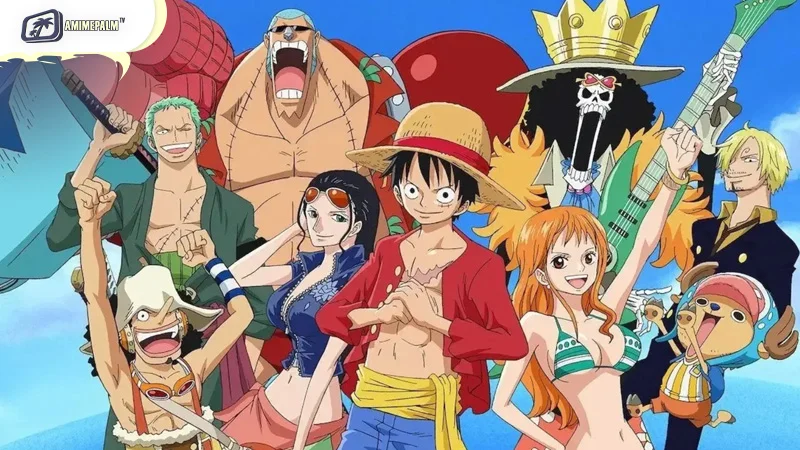
One Piece is a wild ride that’s been winning hearts for over 25 years. Join Monkey D. Luffy and his lovable Straw Hat crew as they sail the seas chasing the legendary “One Piece” treasure to make Luffy the Pirate King. With over 1,100 episodes, 34+ One Piece arcs, 15 movies, and a bunch of specials, this anime and manga series is packed with epic battles, tear-jerking moments, and unforgettable One Piece characters.

Figuring out how to watch One Piece in Order it all can feel like getting lost in a stormy sea, especially with how many episodes of One Piece! But don’t sweat it, whether you’re new to the world of One Piece, catching up after the anime’s 2024 hiatus, or planning a rewatch alongside the Netflix live-action series, we’ve got you covered.

One Piece has been winning hearts for over 25 years

Take a look at our complete One Piece timeline guide for the best order to watch episodes, movies, fillers, and more.

One Piece Watch Order Chronological (With Episode Guide)

To avoid spoilers, early canon character introductions, or timeline confusion, we recommend watching the One Piece movies alongside the anime series at corresponding saga points. Movies are non-canon unless noted (like retelling arcs), but they expand the world and feature Straw Hat adventures. We’ve included key episode milestones, saga overviews, and filler notes for a seamless binge.

One Piece: The Movie (watch after Episode 18) 

The crew is still tiny, just Luffy, Zoro, Nami, and Usopp, when they bump into a band of clumsy thieves. That leads them straight to a showdown with the gold-obsessed pirate El Drago, who’s after the same legendary treasure. It’s a short, goofy ride packed with early One Piece energy: rubber punches, treasure fever, and the crew’s first real taste of teamwork.

Best time: Right after the Syrup Village arc (where Usopp joins) and before the Baratie arc (Sanji’s debut).

Clockwork Island Adventure (watch after Episode 53) 

Picture this: someone steals the Going Merry, the crew’s home. They team up with a pair of smooth-talking thieves and storm Clockwork Island, a giant ticking fortress full of gears and traps. The villain wants to force Nami into marriage, but the Straw Hats aren’t having it. It’s a wild, mechanical chase that feels like a theme-park heist gone wrong.

Best time: Right after Loguetown, as the crew finally sails into the Grand Line.

Chopper’s Kingdom on the Island of Strange Animals (watch after Episode 102) 

Chopper washes up alone on Crown Island, a jungle full of talking animals who crown him their king because of an old prophecy. It’s cute, it’s fluffy, and it’s totally skippable unless you’re a die-hard Chopper fan or a completionist.

Best time: After the massive Arabasta arc wraps up, before the crew heads skyward.

The Straw Hats enter the Dead End Competition as they are flat broke

Dead End Adventure (watch after Episode 138) 

The Straw Hats are flat broke, so they enter the Dead End Competition, an underground pirate race with a jackpot big enough to change their lives. Of course it’s rigged, the marines are circling, and a deadly bounty hunter has Luffy in his sights. This is the first full-length movie, and it delivers real tension, slick animation, and heart-pounding action.

Best time: After Skypiea, during the quiet Goat Island filler.

The Cursed Holy Sword (watch after Episode 143) 

The crew lands on Asuka Island, where a legendary blade called the Shichiseiken is said to twist anyone who touches it. Zoro gets caught up in the chaos, brainwashed, fighting his own friends, and the rest of the gang has to pull him back. It’s a messy story, but the sword fights are solid, and Zoro fans will enjoy the spotlight.

Best time: During the Long Ring Long Land filler stretch.

Baron Omatsuri and the Secret Island (watch after Episode 224) 

This one stands apart. The crew docks at a sunny resort island run by the cheerful Baron Omatsuri, who promises total relaxation if they complete seven simple trials. What starts as games turns dark, really dark. Friendships crack, secrets spill, and the tone shifts into something almost horror-like. Directed by Mamoru Hosoda (Wolf Children), it’s experimental, emotional, and unforgettable.

Best time: After the Ocean’s Dream filler, right before Water 7 tears your heart out.

Giant Mechanical Soldier of Karakuri Castle (watch after Episode 228) 

A treasure chest floats by… and an old lady pops out. She offers a fortune if the crew escorts her home to Mecha Island. Once there, they’re attacked by the island’s ruler and his army of giant robots. It’s steampunk chaos, explosions, gadgets, and Luffy grinning the whole way. Pure, high-energy fun.

Best time: After the Davy Back Fight rematch filler.

Episode of Arabasta: The Desert Princess and the Pirates (watch after Episode 312) 

The entire Arabasta saga, Vivi’s fight, Crocodile’s fall, the kingdom’s tears, condensed into a gorgeous 90-minute movie with upgraded animation. If you just binged the arc, skip it. If you want a stunning recap, dive in.

Watch Arabasta: The Desert Princess and the Pirates if you want a stunning recap

Episode of Chopper Plus: Bloom in Winter, Miracle Sakura (watch after Episode 325) 

Imagine Drum Island, but different: Wapol returns with a new partner, Nami’s illness hits harder, and new characters (including early Franky family members) join the fray. Snow falls, cherry blossoms bloom, and the fights feel fresh. It’s an alternate take, not required viewing, but cozy and exciting.

Best time: End of the Water 7 Saga, before Enies Lobby.

One Piece Film: Strong World (watch after Episode 381 or 429) 

Shiki the Golden Lion, a pirate from Gol D. Roger’s era, kidnaps Nami and plans to wipe out the East Blue. The Straw Hats go full power, new moves, massive battles, and that classic movie scale. It’s non-canon, but it feels huge.

Best time: After the Little East Blue filler (Episode 429) for the smoothest flow.

One Piece 3D: Straw Hat Chase (watch after Episode 381) 

A 30-minute 3D short: Luffy wakes up, the crew’s gone, and he spends the whole time chasing them. It’s rare, forgettable, and not worth hunting down.

One Piece Film: Z (watch after Episode 573 or 578) 

A broken ex-Marine Admiral steals a weapon that can erase entire islands. He hates pirates with every fiber of his being. The Straw Hats stand in his way. It’s emotional, beautifully animated, and one of the best One Piece movies ever made.

Best time: After the Z’s Ambition filler (Episode 578).

One Piece Film: Gold (watch after Episode 750) 

The crew steps onto the Gran Tesoro, the world’s biggest casino ship. What starts as a flashy vacation turns into a full-blown heist. Gold glitter, high stakes, and over-the-top action, pure fan service done right.

Best time: After the Silver Mine filler.

Stampede features a party that explodes into an all-out war

One Piece: Stampede (watch after Episode 889 or after Cidre Guild) 

A massive pirate festival brings every famous face together for one wild treasure hunt. It’s a party, until it explodes into an all-out war. Cameos, chaos, and non-stop energy.

Best time: End of Whole Cake Island, early Wano.

One Piece Film: Red (watch after Episode 1030)

Uta, Shanks’ daughter and the world’s biggest singer, invites the crew to her concert on Elegia. Songs fill the air, then secrets unravel, family ties, hidden powers, and world-shaking danger. It’s musical, mysterious, and unforgettable.

Best time: After the Uta’s Past filler.

One Piece Movies in Release Order

If you just want to watch the films as they came out, no timeline worries, no episode checks, this is the simple, straight-down-the-line list.

  1. One Piece: The Movie (2000)
  2. Clockwork Island Adventure (2001)
  3. Chopper’s Kingdom on the Island of Strange Animals (2002)
  4. Dead End Adventure (2003)
  5. The Cursed Holy Sword (2004)
  6. Baron Omatsuri and the Secret Island (2005)
  7. Giant Mechanical Soldier of Karakuri Castle (2006)
  8. The Desert Princess and the Pirates: Adventures in Alabasta (2007)
  9. Episode of Chopper Plus: Bloom in the Winter, Miracle Cherry Blossom (2008)
  10. One Piece Film: Strong World (2009)
  11. Straw Hat Chase (2011)
  12. One Piece Film: Z (2012)
  13. One Piece Film: Gold (2016)
  14. One Piece: Stampede (2019)
  15. One Piece Film: Red (2022)
One Piece Film: Red is centered around Uta, a world-famous singer


One Piece Filler List: Watch or Skip

Fillers make up ~10% of episodes but some enhance world-building. Here’s a quick guide (2025 updated):

Arc Name Episodes Watch or Skip? Why?
Warship Island 54-60 Skip Early filler; no impact.
Goat Island 136-138 Skip Minor rest stop.
Ocean’s Dream 220-224 Watch Fun games, character moments.
Foxy’s Return 225-228 Skip Recycled Davy Back Fight.
Ice Hunter 326-335 Watch Ties to Movie 9; action.
Spa Island 382-384 Skip Pure filler fun, no stakes.
Little East Blue 426-429 Watch Leads into Strong World.
Z’s Ambition 575-578 Watch Sets up Film: Z.
Caesar Retrieval 626-628 Skip Minor.
Silver Mine 747-750 Watch Ties to Film: Gold.
Marine Rookie 780-782 Skip Filler.
Cidre Guild 895-896 Watch Pre-Stampede setup.
Uta’s Past 1029-1030 Watch Essential for Film: Red.

Total fillers: ~100 episodes. Skip for canon-only run (reduces to ~1,000 episodes).

How Many One Piece Movies Are There?

There are currently 15 feature-length One Piece movies. All are non-canon side stories built around Straw Hat characters, offering extra world lore without affecting the main plot.

The Future of One Piece

Eiichiro Oda started the manga in 1997, now 28 years strong and at ~80% complete per Oda. The anime resumed in 2024 after hiatus and airs weekly. Netflix’s The One Piece anime remake (by WIT Studio) starts with East Blue in 2026. Live-action Season 2 (2026) covers Loguetown to Drum Island; Season 3 greenlit.

LEGO dropped seven East Blue sets in 2025 tying into Netflix S1. No new movie announced, but with Egghead arc adapting, expect more soon. Check Oda’s chapter schedule for manga updates.

Grab your straw hat, start with Episode 1 or Chapter 1, and jump into One Piece! What’s the One Piece arc or character you’re most excited about? Tell us in the comments! And don’t forget to visit AnimePalm daily for the latest anime updates!

Steins;Gate Review – Is It the Ultimate Time-Travel Anime?

0

Steins;Gate is an epic sci-fi anime that pulls you into a wild time-travel adventure with heart and suspense. It’s a fan favorite for a reason! I got hooked when I saw Okabe, the quirky main character, messing with time and facing crazy consequences, it had me yelling at my TV during a late-night binge. As a huge fan, let me share why Steins;Gate is so awesome, breaking down its story, characters, episodes, and why it’s a classic. Trust me, this anime is a total game-changer!

Steins;Gate pulls you into a wild time-travel adventure with heart and suspense

Introduction to Steins;Gate

Steins;Gate started as a visual novel by 5pb. and Nitroplus, but the anime, made by White Fox, is what made it a legend. Airing from April to September 2011 with 24 episodes, plus some OVAs and a sequel (Steins;Gate 0), it mixes sci-fi, thriller, and drama into something super unique. It’s not just about time travel, it’s about tough choices and real emotions. Fans and critics love it for its smart story and awesome characters. The animation is solid, the music sets the perfect spooky vibe, and the voice acting (both Japanese and English) brings everyone to life. Steins;Gate stands out because it makes you think while keeping you on the edge of your seat.

Steins;Gate: Plot Summary and Themes

Steins;Gate follows Rintarou Okabe, a goofy college student who calls himself a “mad scientist” and goes by Okarin. With his buddies Mayuri, Daru, and genius scientist Kurisu, he accidentally turns a microwave into a time machine that sends text messages to the past. These “D-mails” change the present in wild ways, pulling Okabe into a mess of timelines, conspiracies, and a shady group called SERN. The story starts slow, setting up the science and friendships, then hits you with a thrilling second half full of twists and tough choices.

The plot is like a puzzle, every D-mail shifts the world, and Okabe has to fix the chaos he creates. It’s intense, like when he realizes changing the past can hurt the people he loves. Themes like fate, choice, and sacrifice hit hard. The idea of “equivalent exchange” in time travel, every change has a cost, feels so real. Friendship is huge, especially Okabe’s bond with Mayuri, and the show makes you feel the weight of every decision. The déjà vu and butterfly effect ideas keep you guessing, making every episode a mind-bender. As a fan, I love how it mixes cool science with deep emotions without being confusing.

Steins;Gate Characters

Steins;Gate main characters are so real and easy to love, even with a small cast. Rintarou Okabe (Okarin) is the star, a loud, eccentric guy who loves Dr. Pepper and says weird stuff like “El Psy Congroo.” At first, he’s hard to take seriously, but when time travel gets messy, you see his brave, human side. His growth from goofy to heartbroken hero is amazing. Kurisu Makise, the super-smart scientist (aka “Kurisutina” to Okabe), is sharp, sarcastic, and the emotional core. Her brains and heart make her a fan favorite.

Steins;Gate main characters are so real and easy to love

Mayuri Shiina, or Mayushii, is Okabe’s sweet childhood friend who brings warmth with her “Tutturu!” catchphrase. Her role in the story breaks your heart. Daru, the hacker pal, adds humor and tech skills, while Ruka (sometimes called Rukako or Luka), a shy kid, adds quiet depth. Moeka, a mysterious texter, keeps you guessing. The voice actors, especially in the English dub, make every line pop, from Okabe’s wild rants to Kurisu’s witty comebacks. Their friendships and tough choices, like Okabe deciding who to save, make the story super emotional. As a fan, Okabe’s my guy for his big heart, but Kurisu’s smarts and Mayuri’s sweetness steal the show.

Steins;Gate: Episode Structure and Availability

Steins;Gate’s 24 episodes are a perfect mix of brainy plot, funny moments, and heavy feels. The first half is slower, teaching you about time travel and the characters, while the second half is a non-stop thriller with crazy twists. Each episode builds on the last, with cliffhangers that keep you clicking “next” (I binged half the show in one night!). The pacing balances science talk, humor, and gut-punch moments, like when Okabe faces impossible choices. The anime adapts the visual novel’s story super well, hitting all the big moments, and the OVA and Steins;Gate 0 add extra depth.

You can stream it on Crunchyroll, Hulu, or Funimation, with awesome sub and dub options, the English dub is top-notch. The show’s rewatchable because you spot new clues every time, like hints about timelines. If you want merch, there’s tons of Steins;Gate stuff online, like figures and posters, and Blu-rays look great for collectors. The 24 episodes, plus extras, make it a perfect binge.

Steins;Gate: Review and Critical Reception

Steins;Gate is a fan and critic favorite, often called one of the best sci-fi anime ever (it’s got a 9.1 on MAL!). It stands out for its smart take on time travel, mixing real science like Kerr black holes with emotional stakes. Unlike other sci-fi shows, it keeps the cast small and the story tight, making every moment count. The animation is solid, though some CGI cars look weird, and the gray, washed-out Akihabara setting adds a creepy vibe. Fans love how it blends humor, like Okabe’s silly rants, with heavy themes like sacrifice. It’s influenced tons of anime and made time-travel stories cooler by focusing on consequences.

Steins;Gate is often called one of the best sci-fi anime ever

Some dating moments in the visual novel feel forced in the anime, and one uncomfortable scene with Okabe feels out of place, but the story recovers by focusing on friendship and science. Overall, it’s a must-watch for its gripping plot and lovable characters.

Why Steins;Gate Matters

Steins;Gate is a classic because it mixes mind-bending science with deep, emotional drama. It’s not just about time travel, it’s about the cost of messing with fate and the power of friendship. Okabe’s journey from goofy scientist to a guy facing impossible choices is unforgettable. The show changed how anime tells time-travel stories, making them more human and real. Its impact on anime culture is huge, inspiring other shows to blend brains and heart.

If this review has you pumped to jump into Okabe’s world, grab a Dr. Pepper and start watching, Steins;Gate will blow your mind! For more anime news, reviews, and updates, check out Anime Palm.

Hunter x Hunter Review (2025): Why HxH is Still the Best Anime

0

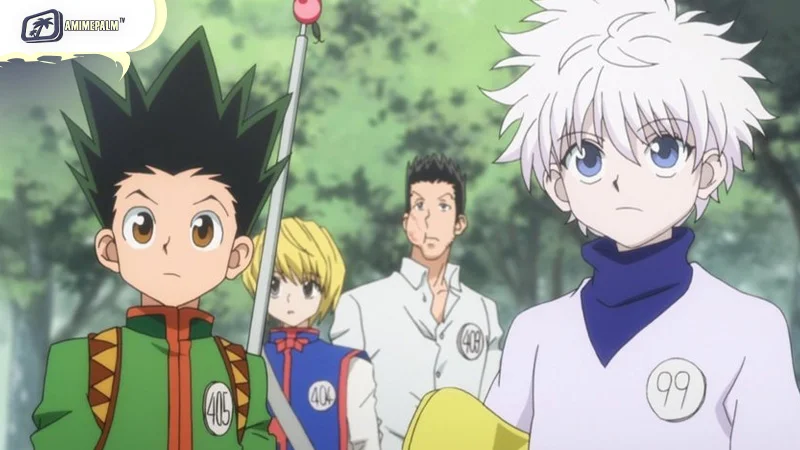
Hunter x Hunter is an awesome shonen anime that grabs you with its exciting story, cool characters, and a world that feels super alive. I found it during a late-night anime binge, and by the Hunter Exam arc, I was hooked, cheering for Gon’s big dreams and Killua’s loyal heart. As a huge fan, let me explain why this show is so great, covering the story, characters, episodes, and how it compares to other versions. Trust me, Hunter x Hunter is a fun ride you’ll love!

Hunter x Hunter is a fun ride you’ll love

Introduction to Hunter x Hunter

Hunter x Hunter comes from Yoshihiro Togashi’s amazing manga, and it’s a shonen anime that breaks all the rules with its smart story and surprises. The 2011 version by Madhouse, which ran from October 2011 to September 2014 with 148 episodes, is the best one. It sticks close to the manga and has bright, smooth animation and a great soundtrack. The 1999 version had 62 episodes and a darker feel, but the 2011 one is more complete with better pacing. What makes it special is how it mixes action, big ideas, and a world that feels huge and full of secrets.

The animation is colorful and exciting, especially in battles, and the voice acting (both Japanese and English) makes every character feel real. From Gon’s happy energy to Hisoka’s creepy vibe, it’s all spot-on. Togashi created a world where every choice matters, and Madhouse brings it to life perfectly, making Hunter x Hunter stand out in the shonen crowd.

Hunter x Hunter: Plot Summary and Themes

Hunter x Hunter follows Gon Freecss, a cheerful kid from Whale Island who wants to be a Hunter, a pro who finds rare things like treasures or animals in a dangerous world. His main goal is to find his dad, Ging, a famous Hunter who’s hard to track down. What starts as a simple adventure grows into a huge story with arcs like the tough Hunter Exam, the intense Yorknew City gang fights, the super emotional Chimera Ant arc, and hints of the mysterious Dark Continent. Each arc feels like its own big adventure, connected by Gon’s journey and his friendships.

Hunter x Hunter follows Gon Freecss, who wants to be a Hunter

The story builds so well, you start with Gon taking a crazy test, then you’re deep in a crime war or facing scary ant creatures that make you think about what it means to be human. The pacing is great, mixing fast action with calm moments that hit hard. The Dark Continent tease at the end makes you want more.

The show’s themes are awesome. Friendship is huge, Gon and Killua’s bond is so strong, but it gets tested. Ambition shows up in Gon’s dreams and Kurapika’s need for revenge. Power comes through Nen, a cool magic-like system, showing how strength can be good or bad. Right and wrong get blurry, villains like Hisoka and Meruem make you wonder who’s really bad. The show doesn’t tell you what to think; it just shows you tough situations. As a fan, I love how it makes me think about real stuff like goals and loyalty without being preachy.

Characters in Hunter x Hunter

Hunter x Hunter main characters are amazing, real, flawed, and easy to care about. Gon Freecss is a happy, stubborn kid who grows into someone dealing with anger and loss. His journey is super gripping. Killua Zoldyck, his best friend and a former assassin, is awesome with his sad past and big heart. His growth, learning to value himself, is one of the best parts.

Kurapika, the last of his clan, is driven by revenge, with cool chain powers and a heavy heart. Leorio, who wants to be a doctor, feels like a big brother with surprising depth. Their group feels like real friends with different goals. Other characters like Bisky, a tiny but tough trainer, and Kite, Gon’s mentor with a sad story, add so much to the show.

Hunter x Hunter characters are amazing, real, flawed, and easy to care about

The bad guys are wild. Hisoka, a creepy magician who loves fighting, is scary but cool. Chrollo, the Phantom Troupe’s leader, is mysterious and tough. The Chimera Ant arc has Meruem, a super strong ant king who changes in ways that break your heart, and Pitou, who’s creepy but loyal. Feitan, Machi, and others in the Troupe are intense, while Palm and Gyro add weird and dark vibes. Every character grows, and their friendships, fights, and betrayals drive the story. Killua’s my favorite for his quiet strength, but Kurapika’s pain and Hisoka’s wild energy keep me watching.

Hunter x Hunter: Episode Structure and Availability

Hunter x Hunter’s 148 episodes flow like a fun rollercoaster, split into arcs that keep you hooked. The Hunter Exam arc starts with tough tests and cool characters. Yorknew City feels like a crime movie, and Greed Island mixes games with big fights. The Chimera Ant arc, a huge 60-episode story, starts small and ends with crazy stakes, mixing scary, sad, and hopeful moments. The Election arc wraps things up with politics and emotional endings, leaving you curious about the Dark Continent.

The pacing is perfect, action hits hard, but quiet moments, like Gon and Killua’s talks, are just as good. Cliffhangers make you want to keep watching (I stayed up late for Chimera Ant!), but each episode works alone too. It’s great for rewatching, you notice new details like Nen tricks or character choices. You can watch it on Netflix, Crunchyroll, or Hulu, with great sub and dub options, the English dub makes Gon and Hisoka shine. Hunter x Hunter merch, like figures and clothes, is easy to find online, and Blu-rays look amazing for collectors. The episode count? 148 for the full adventure.

Hunter x Hunter: Comparison with Other Versions or Anime

The 1999 Hunter x Hunter anime, with 62 episodes, covers up to Yorknew City with a darker, rougher style and some extra scenes. The 2011 version is better with sharper animation, faster pacing, and more arcs, like the epic Chimera Ant story. The 1999 one has fans for its gritty feel, but 2011 feels more complete and true to the manga. The manga is still going, but slowly because of Togashi’s health, so the 2011 anime stops before the full Dark Continent story but nails everything it covers.

Compared to other shonen, Hunter x Hunter is super smart

Compared to other shonen, Hunter x Hunter is super smart. Unlike Naruto’s big heart or Bleach’s cool style, it mixes action, strategy, and tough questions. The Nen system is like a brainy game, and arcs like Chimera Ant tackle heavy stuff, war, identity, humanity, that most shonen skip. The 1999 version is darker, but 2011’s mix of fun and hope makes it easier to binge. Start with 2011 for the best experience; check out 1999 later if you want a different take.

Why Hunter x Hunter Matters

Hunter x Hunter is shonen at its best, smart, emotional, and bold. Fans and critics love it (9.0+ on MAL) for its huge world and characters you can’t stop rooting for. It pushes limits, diving into friendship, power, and right vs. wrong in ways that stick with you. The Chimera Ant arc changed anime with its deep, emotional story. It’s inspired tons of shows and raised the bar for storytelling.

If this review makes you want to jump into Gon’s world, grab a snack and start watching, Hunter x Hunter will blow you away! For more anime news, reviews, and updates, visit AnimePalm

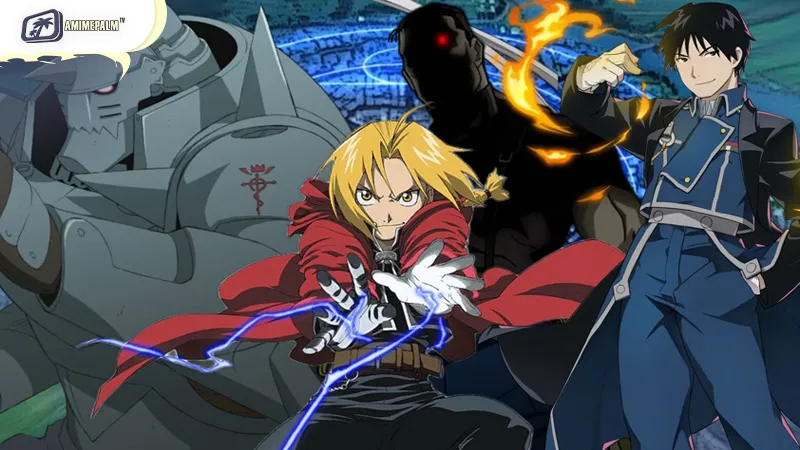
Fullmetal Alchemist: Brotherhood Review – Is It the Best Anime?

0

Fullmetal Alchemist: Brotherhood is straight-up one of the best anime I’ve ever watched, it’s got heart, action, and twists that still give me chills years later. I remember discovering it during a late-night binge session, and by episode 4, I was hooked, yelling at the screen over the brothers’ tragic backstory. If you’re new to it or revisiting, let me geek out as a real fan and break it down based on what makes it so epic. We’ll cover the basics, plot, characters, episodes, and how it stacks up against the original. Trust me, this one’s a masterpiece.

Introduction to Fullmetal Alchemist: Brotherhood

Fullmetal Alchemist: Brotherhood is the faithful anime adaptation of Hiromu Arakawa’s killer manga, and boy, does it deliver. Produced by Studio Bones, it aired from April 2009 to July 2010 with a total of 64 episodes that stick super close to the source material. What stands out is the top-notch animation, those alchemy fights look insane, and the deep themes that make you think long after it’s over. Unlike the 2003 Fullmetal Alchemist anime, which went its own way halfway through and had a different ending, Brotherhood follows the manga to a T, giving us a more complete, satisfying story. The original was cool in its own right, but Brotherhood feels like the definitive version, with better pacing and no filler detours.

Fullmetal Alchemist: Brotherhood is one of the best anime of all time

As a fan, I always recommend starting here if you’re new, it’s got that perfect mix of humor, drama, and epic battles. The decision to make Brotherhood after the original anime was risky, but it paid off spectacularly. Studio Bones assembled a team that understood Arakawa’s vision perfectly, translating the manga’s emotional beats and complex mythology onto screen without losing anything in translation. The voice acting is phenomenal in both Japanese and English, the soundtrack is absolutely stellar, and the animation style perfectly captures the show’s tonality, everything from quiet character moments to explosive alchemical reactions feels perfectly realized.

What really impressed me rewatching it recently is how well the show respects your intelligence. It doesn’t over-explain things; it trusts you to keep up with the complex lore surrounding alchemy, the political machinations, and the overarching conspiracy. That said, it’s never confusing or opaque, the writing is just tight and efficient. Every episode builds on what came before, and by the time you reach the finale, you’ll realize how meticulously crafted the entire narrative structure is.

Plot Summary and Themes

Set in the steampunk-ish country of Amestris, where alchemy is basically science with rules, the story follows brothers Edward and Alphonse Elric on a quest for the Philosopher’s Stone. After a botched attempt to bring back their mom through human transmutation, big no-no in alchemy, Ed loses an arm and leg, and Al’s soul gets stuck in a suit of armor. They’re out to fix themselves, but it spirals into a massive conspiracy involving creepy Homunculi, corrupt State Military folks, and this shadowy “Father” pulling strings.

The beauty of Brotherhood’s plot is how it manages to be simultaneously intimate and epic. What starts as a personal tragedy, two brothers trying to undo their mistake, gradually expands to encompass wars, government conspiracies, and the very nature of humanity itself. The pacing of these revelations is masterful. You’ll be watching what seems like a self-contained episode, only to have it connect to a larger pattern you hadn’t noticed. The show trusts its audience to piece things together, rewarding careful observation with “aha” moments that feel satisfying.

Fullmetal Alchemist: Brotherhood follows brothers Edward and Alphonse Elric

Themes are what make it shine: equivalent exchange (you can’t get something without giving up equal value) hits hard, showing the costs of ambition. This isn’t just a magic system rule; it’s a philosophical statement about the world. Everything has a price, and the series constantly explores what those prices are and whether they’re worth paying. Sacrifice, brotherhood, Ed and Al’s bond is unbreakable, and the gray areas of right and wrong keep you hooked. Their journey uncovers wars, genocide, and power grabs, turning a personal story into a world-shaking epic.

I love how it builds from small-town vibes to all-out chaos; as a fan, it made me reflect on real-life stuff like war and ethics without feeling preachy. The show never lectures you, it simply presents situations and lets you draw your own conclusions. It explores war through the Ishvalan conflict, where neither side is completely right or wrong. It examines ambition and its corrupting influence through multiple characters who want different things but are willing to compromise their principles. It questions what it means to be human through the Homunculi and their struggles for identity.

Characters of Fullmetal Alchemist: Brotherhood

The characters in Fullmetal Alchemist: Brotherhood are gold, complex, relatable, and they grow so much it hurts. Edward Elric, the short-tempered “Fullmetal Alchemist,” is our hot-headed protag with a heart of gold, always fighting for his brother. What makes Ed compelling is his evolution from a desperate kid willing to cross any line to a young man learning that some boundaries exist for good reasons. His intellect is never in question, he’s a prodigy alchemist, but his wisdom comes harder, through bitter experience and mistakes.

Alphonse Elric, trapped in armor but super kind, balances Ed’s fire with wisdom; their sibling dynamic is the show’s soul. Al’s situation creates constant existential dread for him, he can’t taste food, feel physical sensation, or even verify that he still has a soul. Despite this, he remains the emotional anchor of the series, often being the voice of morality and compassion when Ed gets too caught up in solutions. Their relationship is the heart of everything, and watching it tested throughout the series is genuinely gut-wrenching.

Winry Rockbell, their childhood pal and automail whiz, brings the feels with her tough love and emotional support, she’s not just a side character, she’s family. Winry could’ve been a mere love interest, but the show gives her agency, dreams, and her own emotional journey. Her role as the Elric brothers’ anchor to normalcy is crucial, and her development from the grieving girl we meet to a confident woman is beautiful to watch.

Fullmetal Alchemist: Brotherhood characters are gold, complex, relatable

Allies like Roy Mustang, the slick Flame Alchemist aiming for the top of the military, add strategy and cool fire snaps. Roy seems like a stereotypical charming military guy initially, but he’s so much more, his ambitions, his methods, and his friendships all come under scrutiny. There’s real complexity in how the show presents his character arc. Maes Hughes is the ultimate dad friend, loyal to a fault, and his story wrecked me every rewatch. His introduction seems cheerful and comedic, but his character serves a deeply tragic purpose in the narrative.

On the antagonist side, Scar, the scarred Ishvalan seeking revenge, starts as a villain but gets layers that make you sympathize. Scar represents the cycle of violence and hatred that pervades the series, he’s a victim who becomes a perpetrator, and the show doesn’t shy away from exploring that moral complexity. King Bradley (aka Wrath) is a beast in fights, hiding his Homunculus side as Amestris’ leader. What’s fascinating about Bradley is how the show explores whether his superior abilities make him a better leader or just a tyrant with more power. Kimblee, the psycho Crimson Alchemist, loves explosions and chaos, while Van Hohenheim, the bros’ absent dad, has a tragic past tied to the whole mess. Van Hohenheim’s inclusion in the narrative is particularly brilliant, what could have been a simple absent father figure becomes something far more complex and tragic.

Development is chef’s kiss: relationships evolve through betrayals, alliances, and heart-to-hearts. Motivations feel real, revenge, redemption, power, and the bonds, like Ed and Winry’s slow-burn romance or Mustang’s crew loyalty, keep it grounded. As a fan, Roy Mustang is my fave for his swagger, but Scar’s arc? Pure redemption gold. The way the show handles redemption arcs in general is noteworthy, it’s never simple or quick. Characters have to genuinely reckon with their past actions and work to earn forgiveness.

Episode Structure and Availability

Fullmetal Alchemist: Brotherhood packs 64 episodes into one seamless season, no multi-season splits here, just straight storytelling. The episode list flows through arcs like the early East City setup, the brutal Ishvalan War flashbacks (so intense), the creepy Lab 5 horrors, and the massive Promised Day finale where everything explodes. Each arc builds on the last, creating a narrative momentum that never really lets up.

The early episodes introduce you to the world and the brothers’ immediate goals, establishing the rules of alchemy and the basic conflict. The middle section expands outward, introducing the conspiracy and more characters, deepening your investment in the world. The final arc is a masterclass in convergence, everything you’ve learned comes together in ways that feel inevitable yet surprising.

Fullmetal Alchemist: Brotherhood packs 64 episodes into one seamless season

Pacing is spot-on: action-packed fights mix with quieter character moments and plot reveals, never dragging. It’s binge-friendly, with cliffhangers that had me clicking “next” at 3 AM. The show respects both styles of watching, it works great for binge sessions because the pacing keeps you engaged, but individual episodes also stand on their own if you prefer watching more slowly.

You can stream it on Netflix, Crunchyroll, or Hulu in most places, with sub and dub options, the English dub is fantastic, btw. The English voice cast brings real personality to the characters, and the localizations feel natural rather than stilted. DVD/Blu-ray sets are out too for collectors, and they look gorgeous if you want to experience the show in high quality. If you’re hunting the Fullmetal Alchemist: Brotherhood how many episodes question, yeah, 64 is the magic number for the full ride.

Comparison with Original Fullmetal Alchemist Anime

Ah, the big debate: Fullmetal Alchemist: Brotherhood vs Fullmetal Alchemist. The 2003 original (51 episodes) starts similar but diverges midway since the manga wasn’t done, creating its own plot with a darker, more existential tone and a wild ending involving parallel worlds. The original feels like a high-concept science fiction story at times, whereas Brotherhood is more grounded fantasy. Both approaches have merit, and honestly, fans still debate which is superior over a decade later.

Brotherhood sticks to the manga, so plot progression feels more epic and resolved, with better character fates that align with Arakawa’s vision. The original series had to make major structural changes and introduce new characters and plot threads that the manga never had. This gives the original its own identity, but it also means some plot threads feel incomplete or the pacing gets weird in places where the story had to diverge.

Tone-wise, the original is broodier and focuses on horror elements, while Brotherhood balances humor and hope. The 2003 series leans into body horror and existential dread, making it feel more oppressive overall. Brotherhood has those elements too, but it balances them with genuine moments of levity and hope. This makes Brotherhood more emotionally sustainable as a viewing experience, it doesn’t feel relentlessly bleak, even when dealing with heavy topics.

Critically, Brotherhood scores higher (like 9.1 on MAL) for its completeness, but the original has fans for its unique twists. Many people who watched the original first have deep nostalgia for it, and there are aspects of its storytelling that some prefer. The parallel universe concept and some of the original characters have their defenders.

Fullmetal Alchemist: Brotherhood vs. Fullmetal Alchemist debate is hot topic

As someone who’s seen both, I prefer Brotherhood for the true story, but recommend the original if you want a different take after. Newbies? Start with Brotherhood, it’s the full package without confusion. You get the complete story, the proper character arcs, and the ending Arakawa intended. If you fall in love with the series, watching the original afterward becomes a fascinating exploration of “what if” storytelling.

Why This Show Matters

Fullmetal Alchemist: Brotherhood represents anime at its best, smart writing, beautiful animation, compelling characters, and thematic depth. It’s not just entertainment; it’s art that makes you think about morality, consequence, and what it means to be human. The show respects its audience’s intelligence and emotional investment, delivering payoffs that feel earned.

If this review has you itching to clap your hands and transmute some time into watching, dive in, Fullmetal Alchemist: Brotherhood changed how I see anime! For more anime news, reviews, and updates, head over to AnimePalm, they’ve got the latest on all your favorites.

Death Note Relight 2 – L’s Successors: Wrapping Up Kira’s Reign

0

As a lifelong Death Note enthusiast, Death Note Relight 2 L’s Successors hits different — it’s like condensing the chaotic second half of the series into a sharp, emotional finale that still gives me goosebumps. While the first Relight centered on the legendary Light vs. L showdown, this follow-up picks up the pieces and races through the successors’ saga with Near and Mello taking the spotlight. If you’re a fan craving a faster revisit or curious about how this version tweaks the Near-Mello drama, I’ve got you covered. In this review, I’ll break down what Death Note Relight 2 L’s Successors brings to the table — from story and characters to voice cast, reviews, and where to watch — all from someone who’s rewatched it more times than I’d like to admit.

Introduction to Death Note Relight 2

Death Note Relight 2, officially titled “L’s Successors,” is the second recap film that boils down the latter half of the original Death Note anime into a single, intense package. Released in 2008 as a TV special in Japan, it covers episodes roughly 26-37, shifting the spotlight to the post-L era where Light’s Kira empire faces new threats. The purpose? It’s a condensed retelling for fans wanting a refresher or newcomers skipping the full series, with added flair to make it feel cinematic rather than just clipped episodes.

Death Note Relight boils down the latter half of the original Death Note

The format streamlines the storytelling, highlighting key events like Light’s temporary memory loss resolution, the rise of the successors, and the explosive final confrontations. Major plot points include Mello’s mob dealings, Near’s SPK investigations, the kidnapping arcs, and Light’s ultimate downfall, emphasizing the successors’ cat-and-mouse games with Kira. But it skips some filler-ish bits, like extended task force debates, to keep the pace breakneck.

Differences from the original anime episodes are notable: this version packs in more original footage than the first Relight, including unseen dynamics between Near and Mello that add depth to their rivalry. There’s new scenes like a cooler L speech at Wammy’s House, gorier Sakura TV killings, and an intensified SPK massacre that amps up the tension. The framing is from the Shinigami realm again, with Ryuk narrating to keep that meta vibe, but it takes more creative liberties to improve on the anime’s sometimes criticized second arc. As a fan, I love how it makes the successors feel more integral, though it can feel rushed if you’re attached to the slower build-up in the episodes.

L’s Successors in Death Note Relight 2

The heart of Death Note Relight 2 revolves around L’s successors: Near (Nate River) and Mello (Mihael Keehl), the brilliant orphans groomed at Wammy’s House to follow in L’s footsteps. Near is portrayed as the calm, toy-obsessed strategist, methodical and detached, piecing together clues with his white hair and puzzle-solving quirks. Mello, on the other hand, is the hot-headed chocolate addict, driven by ego and willing to dive into the criminal underworld for an edge. Their motivations? Both want to surpass L and catch Kira, but Near plays the long game while Mello risks everything for quick wins, creating a tense split in their approaches.

Death Note Relight 2 revolves around L’s successors: Near and Mello


In this relight movie, their roles are beefed up with new footage that highlights their personalities and conflicts more vividly, like expanded scenes of Mello’s mob alliances and Near’s SPK operations. Compared to the original anime and manga, the portrayals are similar but tightened: the anime’s drawn-out arcs get compressed, making Mello’s impulsiveness pop more dramatically, and Near’s intellect feels sharper without as much setup. Some fans argue it improves on the manga’s subtleties by adding visual flair, though purists miss the deeper internal monologues.

Their significance? They’re crucial to the plot post-L’s death, leading the investigation that unravels Light’s plans, Near’s deductions and Mello’s sacrifices force the final confrontations. Key scenes include Mello’s explosive warehouse showdown, Near’s helicopter gambit, and their indirect collaboration that seals Kira’s fate. Fan impact is huge; while the successors’ arc divides the fandom (some prefer the L era), Relight 2’s tweaks have won over skeptics by making them more dynamic. Audience opinions often praise the character depictions for adding intensity, but criticize if it skips too much emotional buildup, personally, I think it redeems the second half for binge-watchers.

Cast and Voice Acting Focused on L’s Successors

The voice acting in Death Note Relight 2 stays true to the original anime’s excellence, with special focus on L’s successors. In the Japanese version, Noriko Hidaka voices Near, bringing a soft, eerie detachment that fits his childlike yet genius demeanor perfectly, it’s consistent from the series, no changes here. Nozomu Sasaki handles Mello, infusing him with raw energy and frustration that captures his volatile personality spot-on.

The voice acting in Death Note Relight 2 stays true to the original anime's excellence
The voice acting in Death Note Relight 2 stays true to the original anime’s excellence

For the English dub, Cathy Weseluck reprises Near, with her youthful, monotone delivery adding to his enigmatic vibe, while David Hurwitz (sometimes credited differently, but confirmed in casts) voices Mello with a gritty edge that amps up the drama. Continuity is key, no major casting shifts from the anime, which keeps the immersion strong. As a fan who switches between subs and dubs, I appreciate how both versions make the successors’ banter feel alive, especially in the new scenes where their rivalries shine.

Reviews and Audience Reception of Death Note Relight 2

Reviews for Death Note Relight 2 often highlight its pacing as a double-edged sword: critics appreciate the narrative choices that trim fat from the successors’ arc, making it more engaging than the sometimes sluggish anime episodes. Anime News Network notes the wealth of new footage and improvements on Mello and Near’s stories, giving it merit as a refined recap. However, some knock the rushed feel, saying it struggles in movie format by cramming too much without breathing room.

The focus on L’s successors gets mixed but mostly positive reception, fans and critics like how it elevates their roles with fresh dynamics, addressing complaints about the original’s dip in quality post-L. Compared to Relight 1, this one’s seen as a step up for its originality and intensity, though both pale next to the full series’ depth. Audience sentiments on Reddit and IMDb echo this: pros for intense scenes and nostalgia, cons for skipped details, but overall, it’s hailed as a solid fan treat if you’ve already seen the anime. In my book, it’s underrated for fixing some of the second arc’s flaws.

Death Note Relight 2 gets mixed but mostly positive reception

Availability and Viewing Information for Death Note Relight 2

As of 2025, catching Death Note Relight 2 legally isn’t always straightforward, but options exist. It’s available on platforms like Apple TV for rent or purchase, and might pop up on Netflix in certain countries (check your region). For streaming, JustWatch can point you to services like Plex or Amazon Prime Video if licensed there. Physical DVDs/Blu-rays from Viz Media are still out on sites like Amazon for collectors.

The runtime is about 93 minutes, making it a quick watch with solid technical quality, crisp animation, that iconic soundtrack, and options for subs or dubs in HD where available. Pro tip: Pair it with Relight 1 for the full recap experience.

If this has you hyped to relive the successors’ takedown of Kira, fire it up soon, it’s a thrilling shortcut to the endgame. For more anime news, reviews, and updates, head over to AnimePalm, they’ve got the latest on all your favorites.

Death Note Relight: Visions of a God – Full Review & Breakdown

0

As a massive Death Note fan, I can’t help but geek out over the Relight specials, they’re like revisiting an old friend with some fresh surprises thrown in. If you’ve devoured the original anime and want a condensed hit of that intense Light vs. L rivalry, or if you’re dipping your toes in for the first time, Death Note Relight: Visions of a God is a wild ride. I’ll break it down here with the same passion I had when I first discovered it years ago, covering the overview, cast, reviews, and how to catch the full movie. Let’s explore those shadowy depths again.

Overview of Death Note Relight: Visions of a God

So, what is Death Note Relight: Visions of a God? It’s essentially a compilation film that recaps the first half of the original Death Note anime, focusing on the epic L arc. Released in 2007 as a TV special in Japan, it’s the first of two Relight movies, the second being L’s Successors, which covers the Near and Mello stuff. Think of it as a director’s cut remix: it re-edits episodes 1-26 into a feature-length story, but with new animation, dialogue, and a framing device where Ryuk narrates the tale to an unnamed Shinigami who’s bored out of his skull in the Shinigami realm. That setup adds a meta layer, like Ryuk spilling the tea on his human world adventure.

Death Note Relight focuses on the epic L arc

The plot summary sticks close to the source: Light Yagami finds the Death Note, becomes Kira, and clashes with the brilliant detective L in a battle of wits. Key arcs covered include Light’s initial killings, the FBI investigation, Misa’s introduction as the Second Kira, and those nail-biting mind games like the tennis match and the Yotsuba Group detour. But there are differences from the original anime, some scenes are cut for pacing, others expanded with new footage, like extra Shinigami interactions or alternate angles on deaths. The storytelling feels more streamlined, with Ryuk’s voiceover adding humor and hindsight, making it feel fresh even if you’ve seen it all before.

Why was this relight movie created? It seems like a way to recap for die-hard fans, introduce the story to newcomers without committing to 37 episodes, and celebrate the series’ success, plus, it aired as a special to keep the hype alive. Reception-wise, it’s had a solid impact on the fandom; some folks love the new scenes and tighter narrative, while others see it as a cash-in. Internationally, it helped keep Death Note in the conversation, inspiring more fan theories and art. As a fan, I remember watching it right after the series and appreciating how it reframed Light’s arrogance through Ryuk’s amused eyes, it gave me chills all over again.

Cast of Death Note Relight: Visions of a God

The cast of Death Note Relight: Visions of a God brings back the all-stars from the original anime, which is a huge plus for continuity. In the Japanese version, Mamoru Miyano returns as Light Yagami, nailing that smooth, chilling transition from bored teen to god-complex killer. Kappei Yamaguchi is back as L, with his quirky, high-pitched delivery that makes the detective so endearingly weird. Shido Nakamura (sometimes credited as Nakamura Shidō II) reprises Ryuk, bringing that gravelly, apple-obsessed vibe, and Aya Hirano is Misa Amane, all bubbly fanaticism. Other mains like Noriko Hidaka as Near (though he’s minor here) and the task force voices, Keiji Fujiwara as Aizawa, for example, round it out. The unnamed Shinigami is a new addition, voiced by someone fresh, but it’s mostly the returning crew.

Death Note Relight brings back the all-stars from the original anime

For the English dub, it’s the same talented team: Brad Swaile as Light, capturing that smug intellect perfectly; Alessandro Juliani as L (wait, actually, from my memory and checks, it’s him with that monotone genius); Brian Drummond as Ryuk, who’s hilariously detached; and Shannon Chan-Kent as Misa. Colleen Wheeler voices Rem, adding emotional weight to the Shinigami’s loyalty. Comparing the two, the Japanese cast has that raw intensity, Miyano’s laughs are iconic, while the English dub feels more accessible and natural for Western ears; I flip between them depending on my mood, but both performances elevate the psychological drama. No major new cast members stand out, keeping it faithful to the core.

Death Note Relight: Visions of a God Reviews

When it comes to Death Note Relight: Visions of a God reviews, the critical reception is a mixed bag, much like the fandom’s take. Professional critics on sites like Anime News Network praise the high-quality animation and how it redesigns the L arc into an engaging feature, calling it an “epic battle of wits” with solid psychological depth. Highlights include the new scenes and Ryuk’s narration adding fun, but criticisms often hit the pacing, cramming 24 episodes into two hours leads to rushed moments and lost subtleties, with some calling it a failure at condensation. Animation quality gets thumbs up for being crisp and atmospheric, though.

Professional critics calls Death Note Relight an "epic battle of wits"
Professional critics calls Death Note Relight an “epic battle of wits”

Fan reception on forums like Reddit and Letterboxd is enthusiastic for the extras, many say it’s worth it for the new footage and alternate perspectives, recommending it as a refresher. But there’s gripes too: some feel scenes are “messed up” or twisted slightly, and it doesn’t add enough to justify over the full series. Popular opinions highlight it as a fan treat, not essential, with merits in brevity but drawbacks in depth. Comparatively, it stacks up well against the original for the L arc (which fans often prefer), but some say the second Relight is weaker. As someone who’s debated this endlessly online, I think it’s underrated, great for a quick nostalgia fix without rewatching everything.

Death Note Relight: Visions of a God Full Movie

Hunting down the Death Note Relight: Visions of a God full movie? Availability can be tricky, but there are options. It’s not streaming on major platforms like Netflix in the US right now, but you might find it on Crunchyroll or other anime sites, check JustWatch for your region, as it pops up on services like Amazon Prime Video or for purchase on iTunes. Official DVDs and Blu-rays from Viz Media are out there on Amazon or eBay for legal owns.

The movie clocks in at about 130 minutes, formatted as a single feature with segments mirroring the anime arcs, no chapters per se, but it flows like a long episode. Viewing experience is top-notch: video and audio quality hold up well, especially on HD releases, with that haunting soundtrack intact. Subtitles are crisp for the Japanese track, and dubbing options match the original series’ quality, perfect for immersing yourself in the tension without interruptions.

If this review has reignited your Death Note obsession like it did mine while writing it, grab some apples and give it a watch! For more anime news, reviews, and updates, head over to AnimePalm, they’ve got the latest on all your favorites.

Death Note Anime: A Fan’s Comprehensive Review

0

As a die-hard Death Note fan, I still get chills thinking about the first time I binge-watched the entire series late into the night. The Death Note anime hooked me from episode one with its mind-bending twists and moral dilemmas that make you question everything. If you’re new to it or revisiting, let me break it down based on my years of obsessing over this masterpiece. I’ll cover the basics, episodes, the series as a whole, and those unforgettable characters, all while sharing why it remains one of the greatest anime out there.

Overview of Death Note Anime

The death note anime started as a groundbreaking manga by writer Tsugumi Ohba and illustrator Takeshi Obata, serialized in Weekly Shōnen Jump from 2003 to 2006. It quickly exploded in popularity, leading to an anime adaptation that aired from October 2006 to June 2007. Produced by Madhouse, the death note anime captures the essence of the manga while adding its own flair through stunning visuals and a haunting soundtrack.

Light Yagami is a brilliant but bored high school student

At its core, the story follows Light Yagami, a brilliant but bored high school student who discovers a supernatural notebook called the Death Note, dropped by the mischievous Shinigami (death god) Ryuk. Anyone whose name is written in it dies, usually of a heart attack unless specified otherwise. Light decides to use it to rid the world of criminals, adopting the alias “Kira” and sparking a global debate on justice. But when the enigmatic detective L starts hunting him down, it turns into an epic battle of wits. Major themes like justice, morality, and the corrupting influence of absolute power are woven throughout, making you root for and against characters in the same breath.

Set in a realistic modern Japan with supernatural elements, the tone is dark, suspenseful, and psychological, think thriller meets horror. No wonder it became a cultural juggernaut. The death note anime has had massive impact, inspiring fan art, cosplay, and even real-world controversies (like schools banning notebooks with “Death Note” written on them). In Japan, it won awards like the Tokyo Anime Award, and internationally, it’s often hailed as a gateway anime for newcomers. Sites like MyAnimeList rate it around 8.6/10, with critics praising its intelligence and pacing. Its fan base is huge and dedicated, spawning memes, theories, and endless debates about who was right, Light or L?

As for watching it today, the death note anime is widely available. You can stream it on platforms like Netflix, Crunchyroll, Hulu, Amazon Prime Video, Peacock, and even the Roku Channel for free in some cases. It’s offered in both subbed (original Japanese with subtitles) and dubbed versions, the English dub is solid, with Brad Swaile nailing L’s quirky voice. If you’re like me and prefer the raw intensity, go subbed, but the dubs make it accessible for everyone.

Death Note Anime Episodes

The death note anime episodes total 37, all in one season without breaks or fillers, which keeps the momentum going strong. There are also two special OVAs called “Death Note: Relight” (Visions of a God and L’s Successors), which are basically recaps with some new footage and alternate perspectives, worth a watch if you’re craving more after the main series.

Death Note: Relight is worth a watch if you're craving more after the main series
Death Note: Relight is worth a watch if you’re craving more after the main series


Breaking it down, the episodes are packed with key arcs that build the tension masterfully. The first half (episodes 1-25 or so) is the golden era: Light’s rise as Kira, his cat-and-mouse game with L, and the introduction of Misa Amane as the Second Kira. Highlights include the tennis match episode (a genius metaphor for their rivalry) and the shocking FBI agent arc where Light’s manipulations really shine. Then, post-episode 25, we shift to the successors arc with Near and Mello, ramping up the stakes with more elaborate schemes and betrayals. Major plot developments include Light joining the task force, the Yotsuba Group detour (a clever red herring), and the explosive finale where everything unravels.

The episode structure is tight, each one ends on a cliffhanger that had me clicking “next” immediately. Pacing is lightning-fast in the beginning, slowing a bit in the second half for more strategy, but it never drags. As a fan, I appreciate how it keeps you guessing; one wrong move, and bam, someone’s name is in the book.

Compared to the manga, the death note anime episodes are pretty faithful, but there are tweaks for TV. Some minor scenes are cut for time, like extended internal monologues, and the ending is softened a tad, Light’s death feels more poetic in the anime, dying alone after escaping, versus the manga’s more humiliating version where he’s begging Ryuk. A few animations amp up the drama, like Naomi Misora’s death scene, which is way more atmospheric in the anime. If you’ve read the manga first, you’ll notice these, but the anime stands on its own brilliantly.

Death Note Anime Series

Diving into the death note anime series production, Studio Madhouse knocked it out of the park under director Tetsurō Araki, with scripts adapted by Toshiki Inoue. The animation style is crisp and detailed, with shadowy lighting that amps up the noir vibe, those close-ups on eyes during tense moments? Chef’s kiss. The soundtrack by Yoshihisa Hirano and Hideki Taniuchi is iconic, blending orchestral swells with rock tracks, and don’t get me started on the opening themes like “The World” by Nightmare or the trippy “What’s up, people?!” by Maximum the Hormone.

Death Note anime features dark, detailed, gothic visuals with intense atmosphere


The original TV series is the heart of it all, but there are tons of versions and adaptations. Compared to the live-action movies (like the 2006 Japanese films or the 2017 Netflix one), the anime stays truer to the source while being more visually dynamic. Spin-offs include the Relight OVAs, a 2015 TV drama, a musical (yes, with singing Shinigami), and even one-shot manga specials like the 2020 “Never Complete” story. No full reboots yet, but who knows, fans are always clamoring for more.

Release-wise, it aired weekly on Nippon TV in Japan from October 3, 2006, to June 26, 2007, with international releases following soon after on networks like Adult Swim in the US. Reruns pop up occasionally, and it’s been syndicated worldwide ever since.

Death Note Anime Characters

Ah, the death note anime characters, these are what make the series unforgettable. Let’s start with the mains.

Light Yagami, our anti-hero protagonist, is a genius student turned god-complex vigilante. His descent from idealist to megalomaniac is chilling; I remember feeling conflicted, admiring his smarts while hating his arrogance. Voiced by Mamoru Miyano, he’s charismatic and terrifying.

Then there’s L Lawliet, the sugar-addicted detective genius. With his messy hair, crouching posture, and deadpan humor, he’s the perfect foil to Light. Their rivalry is the show’s soul, L’s deductions are mind-blowing, and his motivations stem from a pure (if eccentric) pursuit of justice. As a fan, L is my absolute favorite; his quirks make him so human despite being a recluse.

L and Light’s rivalry is the show's soul
L and Light’s rivalry is the show’s soul

Ryuk, the apple-loving Shinigami, brings comic relief with his bored demeanor and otherworldly design. He’s not evil, just entertained by human chaos, voiced hilariously by Nakamura Shidō II.

Misa Amane, the bubbly model and Second Kira, adds romance and fanaticism. Her obsession with Light leads to wild plot twists, but she’s more than eye candy; her backstory with Rem (another Shinigami) adds depth.

Supporting cast shines too: Near and Mello, L’s successors, bring fresh energy, Near’s calm logic versus Mello’s impulsive mob ties create great conflict. The police task force, like Light’s dad Soichiro Yagami (a man of unwavering integrity) and the comic Matsuda, ground the story in reality. Other humans like Kiyomi Takada and Teru Mikami amp up the Kira cult vibes, while Shinigami like Rem show emotional layers beyond Ryuk’s apathy.

Character development is top-tier, relationships evolve from alliances to betrayals, with conflicts rooted in clashing ideologies. Light and L’s “friendship” is tense genius versus genius; Misa’s love for Light is tragic and manipulative. Fan favorites? L tops polls, followed by Light and Ryuk, with merch everywhere from figures to notebooks (handle with care!). Rankings on sites like Charapedia often put L at #1 for his meme-worthy moments.

Overall, what I love as a fan is how these characters feel real, their motivations drive the plot, making every death note entry feel personal and profound.

If this review has you itching to dive in or rewatch, do it! The death note anime is a timeless thrill ride. For more anime news, reviews, and updates, head over to AnimePalm, we’ve got the latest on all your favorites.