
Attack on Titan Season 3 is the one that truly flipped the script for me — shifting from explosive Titan battles to razor-sharp political intrigue that left me gasping and reevaluating everything I thought I knew about the story. Following the shocking betrayals of Season 2, this chapter dives headfirst into the shadows within the walls, exposing hidden agendas and institutional corruption. I vividly remember theorizing like crazy during the long hiatus between parts, desperate to unravel the mysteries. Whether you’re deep into your AOT marathon or just looking for a killer recap, let’s unpack Attack on Titan Season 3 with the same electrifying hype I felt back then. We’ll break down the intro, release dates, episode count, and those unforgettable visuals — get ready for the uprising!
Introduction to Attack on Titan Season 3
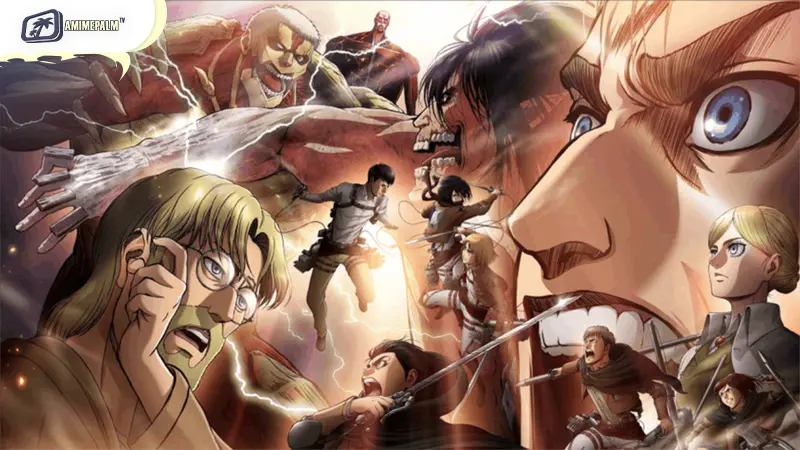
Attack on Titan Season 3 ramps up the stakes, continuing from Season 2’s cliffhangers with threats not just from Titans outside the walls, but from corrupt forces inside. The Survey Corps battles government oppression while pushing missions to reclaim Shiganshina, uncovering layers of deception about society, the royal family, and the Titans’ origins. The setting advances inward: from palace coups in the capital to basement secrets in Eren’s hometown, blending urban espionage with brutal expeditions.
Themes deepen into political intrigue, think conspiracies, power grabs, and rebellions, while exploring trust’s fragility and humanity’s dark side. Freedom’s pursuit gets complicated by moral ambiguities, like who the real monsters are. As a fan, this season’s shift to character-driven drama hooked me even more, proving AOT isn’t just about fights; it’s a commentary on society that left me debating ethics long after.
What really grabbed me about Season 3 is how it forced us to question the very institutions the characters had been fighting to protect. The Survey Corps transforms from humanity’s last hope into revolutionaries, and that shift feels earned. Kenny’s introduction alone, a character from Levi’s past who challenges everything we thought we knew, demonstrates the show’s commitment to layering its narrative. The political machinations keep you guessing, and just when you think you’ve figured out the conspiracy, the show throws another wrinkle at you. It’s exhausting in the best way possible.
Attack on Titan Season 3 Release Date
The Japanese premiere for Attack on Titan Season 3 Part 1 hit on July 23, 2018, kicking off the “Uprising” arc with weekly drops. After a hiatus that tested fans’ patience, Part 2 launched on April 29, 2019, wrapping up with the final episode on July 1, 2019. Internationally, simulcasts rolled out on Crunchyroll and Funimation right after Japanese airs, keeping global hype alive. The English dub premiered on Adult Swim starting August 18, 2018, making it easier for dub fans like me to jump in without waiting.
That wait between parts felt eternal. I remember refreshing forums obsessively, desperately hunting for theories and leaks to tide me over during those nine months of silence. The split format was both brilliant and cruel, brilliant because it built immense anticipation, but cruel because leaving us on cliffhangers during the Uprising arc felt like psychological warfare. When Part 2 finally dropped in spring 2019, the collective excitement practically broke the internet. Fans had spent months speculating about Eren’s basement and the fate of the Survey Corps, so having those questions finally answered delivered the payoff we all craved.
How Many Episodes in Attack on Titan Season 3
Attack on Titan Season 3 totals 22 episodes, cleverly split into two parts for maximum suspense: Part 1 with 12 episodes (airing July to October 2018) and Part 2 with 10 episodes (April to July 2019). This format kept the momentum without dragging, though the break between parts had fans rioting online.
The arcs covered are game-changers: The “Uprising” arc dominates Part 1, focusing on the political storyline where the Survey Corps overthrows the corrupt government, revealing royal bloodlines and mind-control tech. Part 2 dives into the “Return to Shiganshina” arc, with the mission to reclaim Eren’s home, epic Titan battles, and basement revelations that blow the lore wide open. As someone who marathoned it post-hiatus, the pacing builds from tense scheming to all-out war perfectly.
What impressed me most was how Season 3 manages to balance its two distinct halves tonally. Part 1 operates like a political thriller, with shadowy hallway conversations and strategic maneuvering taking center stage over action. It’s methodical, building trust issues between characters until paranoia feels justified. Then Part 2 flips the switch dramatically, delivering some of the most intense action sequences in the entire series. The charge toward Shinganshina is particularly spectacular, it’s a full-scale military operation that feels operatic in scope. This tonal diversity keeps Season 3 from feeling monotonous despite its length.
Poster and Visuals of Attack on Titan Season 3
The official posters for Attack on Titan Season 3 nail the dark, suspenseful tone, often featuring Eren chained on a hill with a mysterious figure approaching, symbolizing the imprisonment and revelations in the Uprising arc. Key visuals include the Survey Corps in dynamic poses amid crumbling walls, Titans looming in the background, and motifs of crowns or chains to hint at political tension and brutal battles. One prominent key art showcases Eren front and center, bloodied and determined, with allies like Levi and Mikasa ready for action, evoking the shift to internal conflicts.
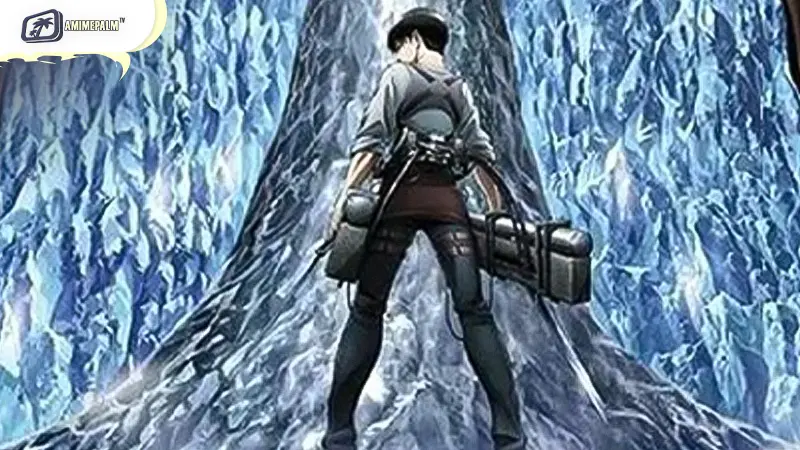
These posters played a huge role in marketing, teasing the 2018 premiere and building fan anticipation through social media shares and conventions. I recall the hype when the chained Eren visual dropped, sparking endless theories. The artistic style stays gritty and intense, with Wit Studio’s animation delivering shadowy palettes, fluid fights, and Sawano’s thundering score to amp up the drama. Fans ate it up, turning posters into wallpapers and merch staples.
The visual presentation of Season 3 deserves special mention because it’s genuinely stunning. Wit Studio stepped up their game significantly, particularly during the Return to Shiganshina arc. The character animation during emotional moments feels authentic, you can see the weight of conflict on characters’ faces. The lighting design emphasizes the claustrophobic paranoia of the Uprising arc and the wide-open desperation of the final assault. Sawano’s orchestral score amplifies everything, from subtle intrigue moments to explosive action sequences. The opening theme hits different this season, and the ending credits are visually arresting.
Why Season 3 Matters
If I had to distill why Season 3 works so well, it’s because it trusts its audience. It doesn’t spoon-feed exposition or settle for simple good-versus-evil narratives. Instead, it challenges everything you thought you understood about the world and characters. The basement reveal at season’s end doesn’t provide definitive answers so much as it opens entirely new questions, questions that propel you toward Season 4.
This season proved that Attack on Titan isn’t just another action anime. It’s a thoughtful exploration of institutional corruption, the cost of freedom, and the moral compromises required to survive in a hostile world. Season 3 elevated AOT to epic status, transforming it from a fun battle series into genuine prestige television.
If this review has you geared up to unravel Season 3’s conspiracies, queue it up, it’s the pivot that makes the entire series worth your time. For more anime news, reviews, and updates, head over to AnimePalm, they’ve got the latest on all your favorites.
