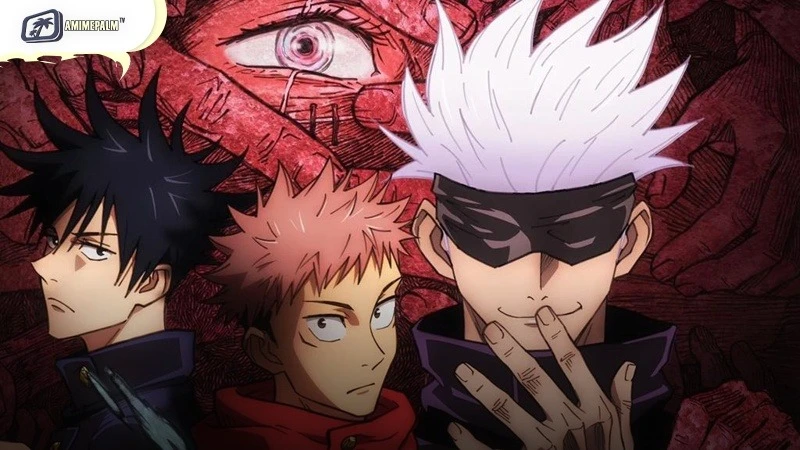
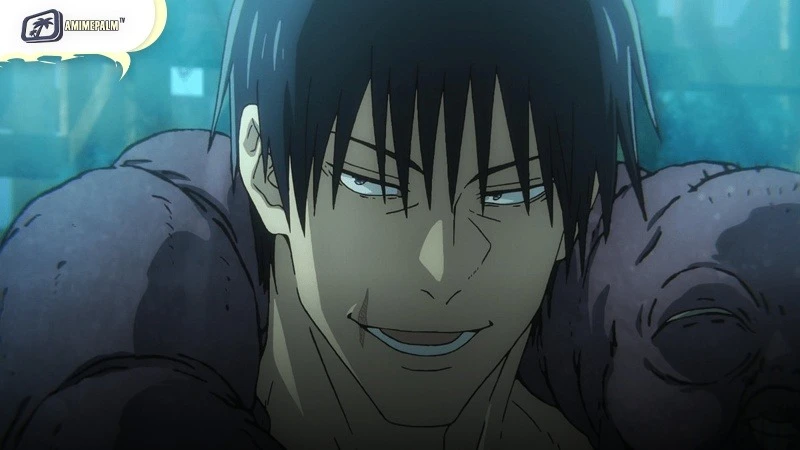
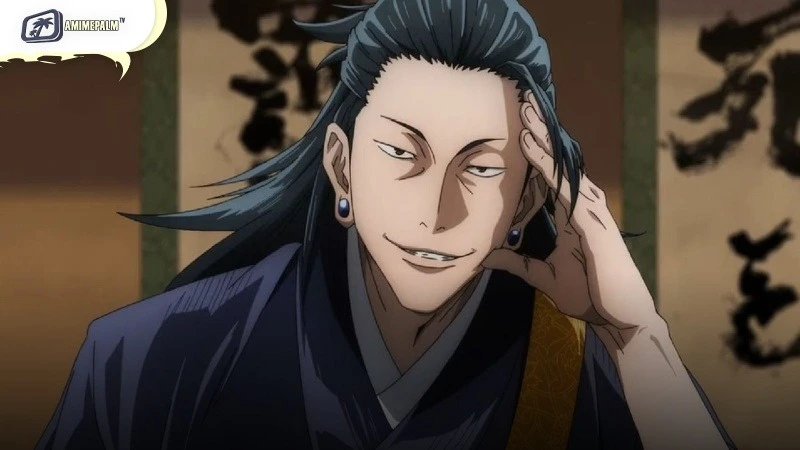
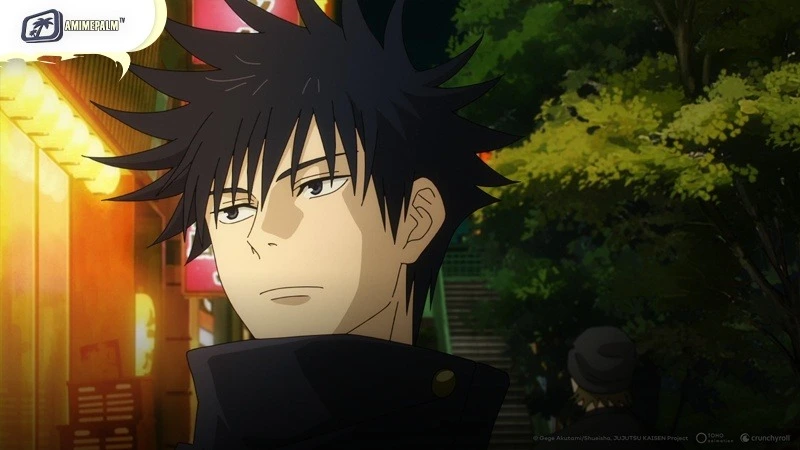
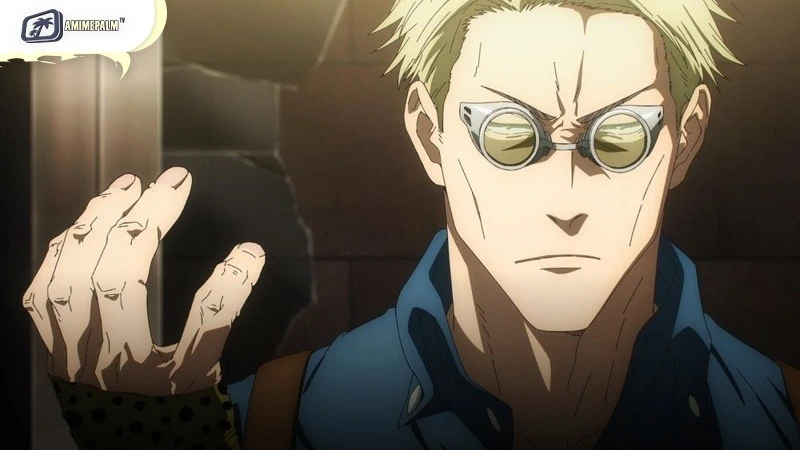
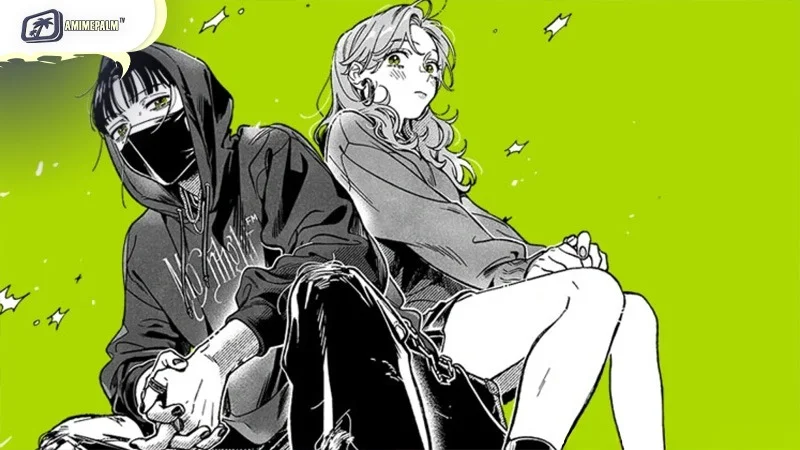
Jujutsu Kaisen male characters bring more than cursed energy to the screen. They bring presence. From Gojo’s effortless dominance to Toji’s dangerous edge and Nanami’s calm, suited perfection, every arc gives us someone new to obsess over.
Some win hearts with quiet intensity, others with chaotic confidence. Power is impressive, but style, charisma, and attitude are what truly set them apart. Let’s line them up and see which names rise above the rest.
Jujutsu Kaisen male characters
A Summary: Meet All Jujutsu Kaisen male characters (30+)
To understand who truly deserves the Top 10 hottest spot, we first need context. Below is a curated table of 30+ Jujutsu Kaisen male characters. We arranged this list based strictly on canon appearances in the Jujutsu Kaisen manga by Gege Akutami and the anime adaptation by MAPPA.
We include deceased characters and major Culling Game players but exclude unnamed background extras.
No
Character
Role
Affiliation
Technique
First Appearance
Status
1
Satoru Gojo
Special Grade Sorcerer
Tokyo Jujutsu High
Limitless, Six Eyes
Ep 1 / Ch 1
Sealed/Unsealed (canon dependent)
2
Yuji Itadori
Student
Tokyo Jujutsu High
Sukuna Vessel
Ep 1
Active
3
Megumi Fushiguro
Student
Tokyo Jujutsu High
Ten Shadows
Ep 1
Active
4
Yuta Okkotsu
Special Grade
Tokyo Jujutsu High
Copy
JJK 0
Active
5
Kento Nanami
Grade 1 Sorcerer
Tokyo
Ratio Technique
Ep 8
Deceased
6
Suguru Geto
Curse User
Former Tokyo
Cursed Spirit Manipulation
Movie 0
Deceased
7
Kenjaku
Ancient Sorcerer
Curse User
Body Possession
S2
Active
8
Ryomen Sukuna
King of Curses
Independent
Shrine, Cleave
Ep 1
Active
9
Toji Fushiguro
Assassin
Zenin Clan
Heavenly Restriction
S2
Deceased
10
Choso
Death Painting
Cursed Spirit Group
Blood Manipulation
S2
Active
11
Toge Inumaki
Student
Tokyo
Cursed Speech
S1
Active
12
Panda
Student
Tokyo
Cursed Corpse
S1
Active
13
Aoi Todo
Student
Kyoto
Boogie Woogie
S1
Active
14
Noritoshi Kamo
Student
Kyoto
Blood Manipulation
S1
Active
15
Yoshinobu Gakuganji
Principal
Kyoto
Amplified Sound
S1
Active
16
Masamichi Yaga
Principal
Tokyo
Cursed Corpses
S1
Deceased
17
Hajime Kashimo
Culling Player
Independent
Electricity
S2
Deceased
18
Kinji Hakari
Student
Tokyo
Idle Death Gamble
S2
Active
19
Hiromi Higuruma
Culling Player
Independent
Deadly Sentencing
S2
Active
20
Jogo
Special Grade Curse
Disaster Curses
Volcano Flames
S1
Deceased
21
Mahito
Special Grade Curse
Disaster Curses
Idle Transfiguration
S1
Absorbed
22
Dagon
Special Grade Curse
Disaster Curses
Water Domain
S1
Deceased
23
Naobito Zenin
Clan Head
Zenin Clan
Projection Sorcery
S1
Deceased
24
Naoya Zenin
Sorcerer
Zenin Clan
Projection Sorcery
S2
Deceased
25
Junpei Yoshino
Student
Mahito Ally
Jellyfish Shikigami
S1
Deceased
26
Takuma Ino
Sorcerer
Tokyo
Auspicious Beast
S1
Active
27
Atsuya Kusakabe
Grade 1
Tokyo
Simple Domain
S2
Active
28
Mechamaru (Kokichi Muta)
Student
Kyoto
Puppet Manipulation
S1
Deceased
29
Miguel
Sorcerer
Overseas
Rope Technique
Movie 0
Active
30
Larue
Curse User
Geto Group
Unknown
Movie 0
Active
This summary table provides structural clarity before ranking attractiveness. Now that we understand the broader pool of anime Jujutsu Kaisen male characters, we can focus on the fan-agreed Top 10 hottest.
Top 10 Hottest Male Characters in Jujutsu Kaisen
This ranking reflects recurring favorites across official popularity polls in Japan, global fan surveys, Reddit discussions, Tumblr fan art traction, and convention voting trends. It is not based on power scaling but on design, charisma, presence, and overall appeal.
#1 Satoru Gojo
Japanese Voice Actor: Yuichi Nakamura
Official Popularity Poll Rank: 1st Place (1st Weekly Shonen Jump Character Poll)
Signature Charm Point: White hair + blindfold reveal moments
Fan Appeal Type: Overpowered mentor with playful dominance
Why Fans Call Him “Hottest”: Extreme confidence, relaxed body language, and “strongest in the room” aura
Satoru Gojo – The Unrivaled King of Hotness
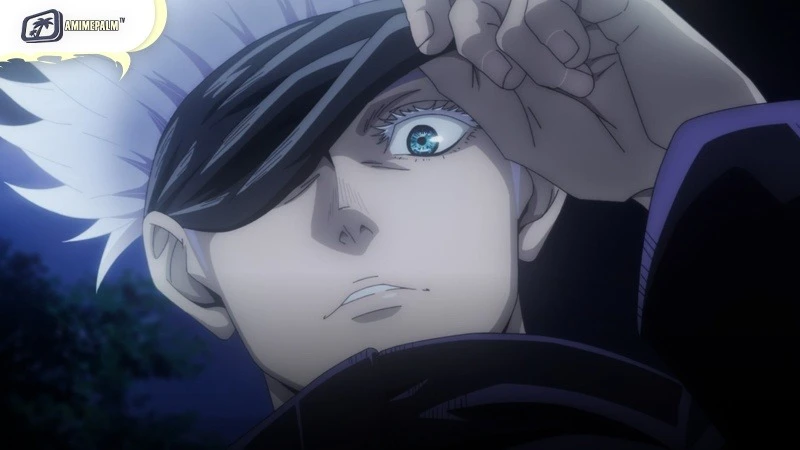
As the strongest sorcerer in Jujutsu Kaisen, Gojo dominates both battles and popularity charts. His white hair, blindfold aesthetic, and playful arrogance create instant visual impact. He consistently ranks at the top of official polls and is widely considered one of the most popular Jujutsu Kaisen male characters among global fans.
Beyond looks, it is his effortless confidence and teacher energy that amplify his appeal. Gojo balances humor and intensity, making him the uncontested king of hotness among Jujutsu Kaisen’s male characters.
#2 Yuji Itadori
Japanese Voice Actor: Junya Enoki
Official Popularity Poll Rank: 2nd Place (1st Shonen Jump Poll)
Signature Charm Point: Pink hair + athletic build
Fan Appeal Type: Golden-hearted action protagonist
Why Fans Call Him “Hottest”: Emotional sincerity mixed with physical strength and protective instincts
Yuji Itadori – The Charming Cursed Vessel Hero
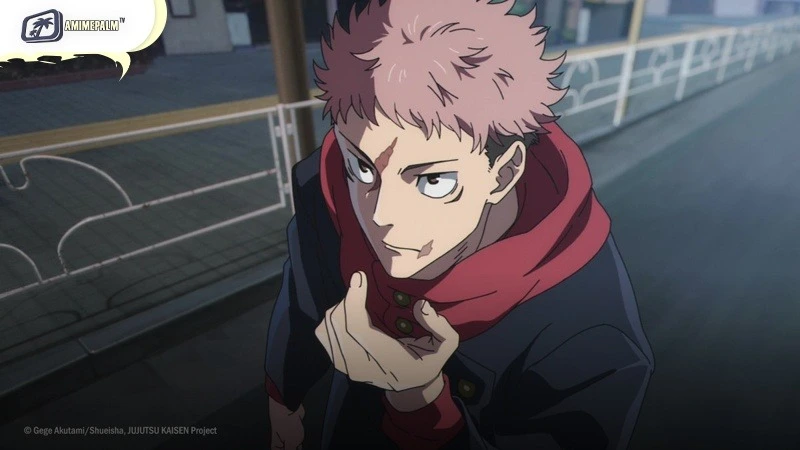
Yuji blends athletic build with emotional sincerity. As Sukuna’s vessel, he carries immense narrative weight, yet he remains warm and relatable.
Fans appreciate his expressive face, pink hair contrast, and protective personality. His charm feels grounded rather than intimidating, which makes him highly popular across younger demographics and long-time anime fans alike.
#3 Toji Fushiguro
Japanese Voice Actor: Takehito Koyasu
Official Popularity Poll Rank: Top 10 (2nd Shonen Jump Poll)
Signature Charm Point: Facial scar + sleeveless black outfit
Fan Appeal Type: Dangerous anti-hero with lethal calm
Why Fans Call Him “Hottest”: Muscular physique, low-emotion stare, and “villain-coded” confidence
Toji Fushiguro – The Lethal Heavenly Restriction Assassin
Toji’s muscular frame and scarred, sharp design stand out instantly. Introduced in the Hidden Inventory arc, he became a viral favorite overnight.
His rogue anti-hero energy, minimal cursed energy, and cold composure elevate his aesthetic appeal. Many fan polls highlight Toji as one of the most visually striking male characters in the series.
#4 Suguru Geto
Japanese Voice Actor: Takahiro Sakurai
Official Popularity Poll Rank: Top 10 (1st & 2nd Polls)
Signature Charm Point: Long black hair + composed smile
Fan Appeal Type: Charismatic ideological villain
Why Fans Call Him “Hottest”: Calm voice tone, philosophical depth, and elegant posture
Suguru Geto – The Charismatic Cursed Spirit Manipulator
Geto’s long black hair and composed demeanor create a refined presence. Among the most compelling Jujutsu Kaisen male characters villains, he stands out for combining elegance with ideological conviction, which adds a layer of tragic depth to his attractiveness.
Fans are drawn to his calm voice, philosophical conviction, and tragic transformation. Even as an antagonist, Geto remains one of the most admired Jujutsu Kaisen male characters.
#5 Megumi Fushiguro
Japanese Voice Actor: Yuma Uchida
Official Popularity Poll Rank: 3rd Place (1st Shonen Jump Poll)
Signature Charm Point: Spiky black hair + serious eyes
Fan Appeal Type: Quiet, emotionally guarded prodigy
Why Fans Call Him “Hottest”: Brooding presence and understated confidence
Megumi Fushiguro – The Brooding Ten Shadows Prodigy
Megumi represents quiet intensity. His spiky hair and serious expression give him a mysterious aura.
His Ten Shadows Technique reinforces his cool image, while his moral code adds emotional depth. Across platforms, Megumi consistently ranks among the most attractive student characters.
#6 Kento Nanami
Japanese Voice Actor: Kenjiro Tsuda
Official Popularity Poll Rank: Top 5 (1st Shonen Jump Poll)
Why Fans Call Him “Hottest”: Deep voice, composed demeanor, and “work-life balance king” energy
Kento Nanami – The Sophisticated Overtime Sorcerer Gentleman
Nanami embodies mature sophistication. His suit, glasses, and disciplined work ethic differentiate him from younger characters. Fans often describe him as dependable and grounded. His calm speech pattern and protective instincts boost his “dateable” reputation in fan discussions.
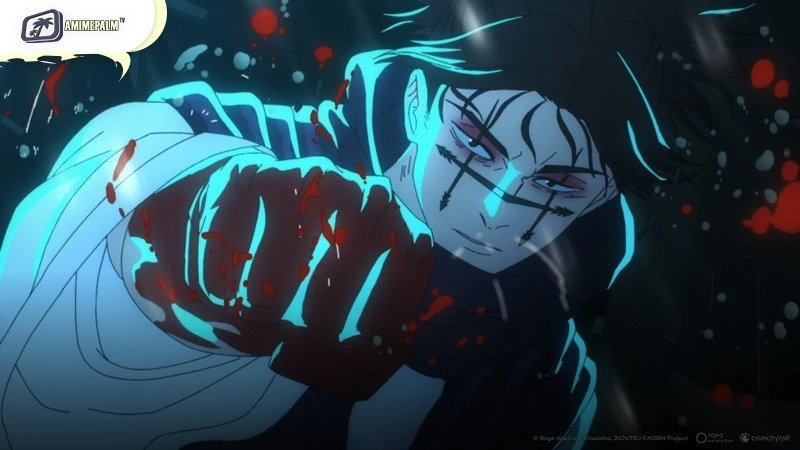
#7 Choso
Japanese Voice Actor: Daisuke Namikawa
Official Popularity Poll Rank: Top 15 (2nd Shonen Jump Poll)
Signature Charm Point: Blood-mark facial tattoos
Fan Appeal Type: Intense older-brother protector
Why Fans Call Him “Hottest”: Sharp eyes, long hair, and emotional vulnerability beneath toughness
Choso – The Intense Blood Manipulation Brother
Choso’s intense eyes and Blood Manipulation technique create a unique visual identity. His emotional development and brotherly devotion add softness beneath his intimidating exterior. This layered personality makes him a frequent pick in aesthetic-focused rankings.
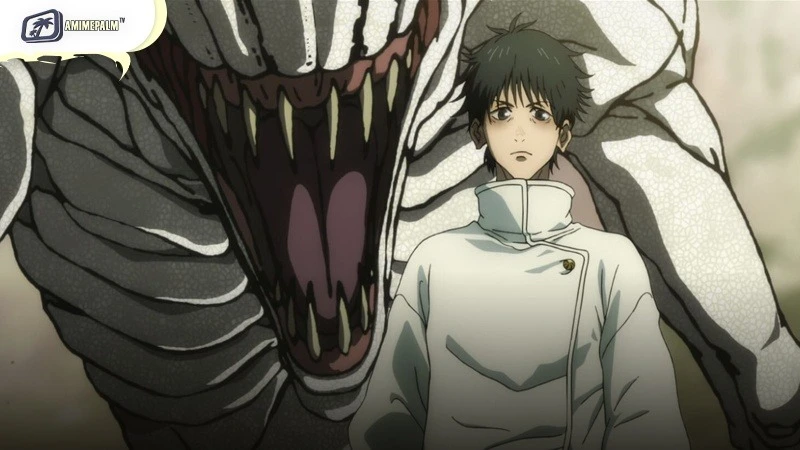
#8 Yuta Okkotsu
Japanese Voice Actor: Megumi Ogata
Official Popularity Poll Rank: Top 10 (2nd Shonen Jump Poll)
Signature Charm Point: Soft facial features + tired eyes
Fan Appeal Type: Gentle but overwhelmingly powerful introvert
Why Fans Call Him “Hottest”: Quiet loyalty combined with special grade strength
Yuta Okkotsu – The Gentle Special Grade Prodigy
Yuta gained strong popularity after Jujutsu Kaisen 0. His growth from timid student to special grade sorcerer adds narrative weight. Fans admire his quiet strength and emotional loyalty. His design evolves noticeably, enhancing his appeal across manga arcs.
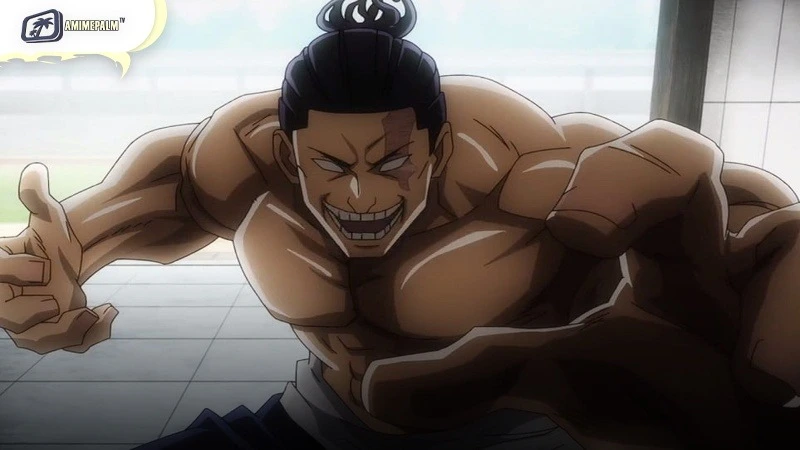
#9 Aoi Todo
Japanese Voice Actor: Subaru Kimura
Official Popularity Poll Rank: Top 15 (1st Shonen Jump Poll)
Fan Appeal Type: Loud, confident alpha with comedic flair
Why Fans Call Him “Hottest”: Unapologetic confidence and physical dominance
Aoi Todo – The Bold Boogie Woogie Powerhouse
Todo’s muscular build and bold personality divide opinions, yet he remains highly memorable. His confidence, humor, and unapologetic self-expression give him a distinctive charm. While not universally agreed upon, he appears frequently in fan-voted “hottest” discussions.
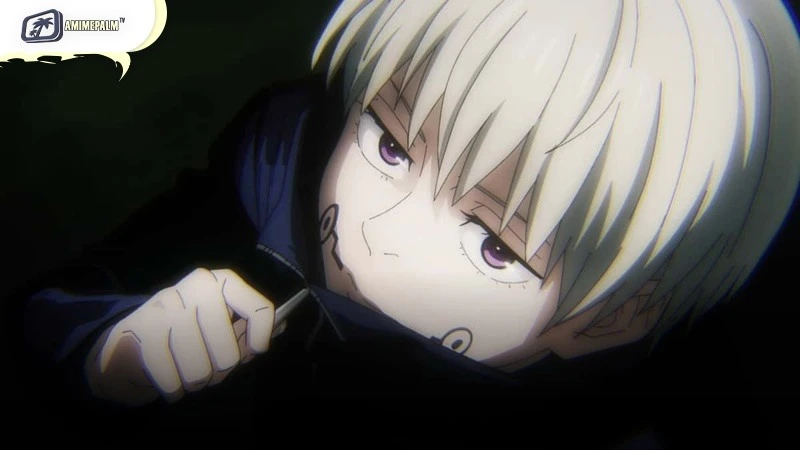
#10 Toge Inumaki
Japanese Voice Actor: Koki Uchiyama
Official Popularity Poll Rank: Top 10 (1st Shonen Jump Poll)
Signature Charm Point: High collar covering mouth
Fan Appeal Type: Quiet, mysterious soft-spoken fighter
Why Fans Call Him “Hottest”: Minimalist coolness and restrained emotional aura
Toge Inumaki – The Quiet Cursed Speech Specialist
Toge’s minimalist speech and high-collar aesthetic create mystery. His reserved personality, paired with cursed speech abilities, generates a subtle appeal. Fans appreciate his quiet cool factor, which stands out among louder personalities.
All in all, the appeal of Jujutsu Kaisen male characters goes beyond surface-level design. The series explores masculinity through power struggles, mentorship, rivalry, and moral tension. Characters like Gojo and Nanami reflect different leadership styles, while Yuji and Megumi represent evolving ideals of responsibility.
Gege Akutami crafts male characters who balance strength with vulnerability. That duality fuels both narrative depth and fan admiration. If you enjoy structured anime breakdowns like this, explore more of our character guides and rankings as we continue covering the world of Jujutsu Kaisen.
Victory isn’t just about the scoreboard; it’s about grit, rivalry, and that one play that changes everything. Sports anime capture that rush better than almost any genre. Whether it’s a gravity-defying slam dunk, a last-second spike, or a silent stare before kickoff, these stories bring raw emotion and unstoppable drive.
Sports Anime
They make us train harder, cheer louder, and believe in comebacks. If you want intensity, teamwork, and characters who fight for every point, you’re in the right arena. Here are the 15 fan-favorite titles that truly define competitive anime greatness.
An Overview of Sport Anime and Top Picks List
Sports anime combine competition, character development, and emotional storytelling. Unlike regular action shows, these series focus on discipline, teamwork, rivalry, and personal growth. From high school volleyball courts to professional baseball leagues, sports anime series turn real-life athletic struggles into dramatic, inspiring journeys.
We created a list that balances popularity, critical acclaim, and influence, not just random picks. Before we break them down, here is a quick look at our 15 selections.
Rank
Anime Title
Sports Type
Subgenre
Episodes
Primary Platform*
1
Haikyuu!!
Volleyball
Shounen
85+
Crunchyroll
2
Slam Dunk
Basketball
90s Shounen
101
Various
3
Kuroko’s Basketball
Basketball
Power-based
75
Netflix
4
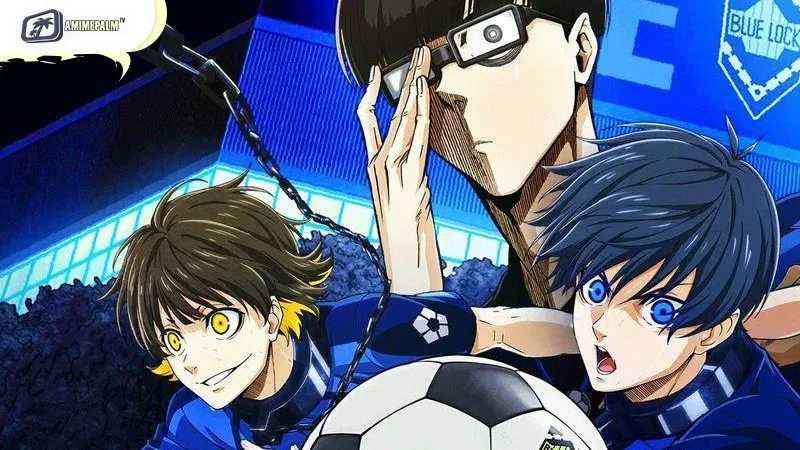
Blue Lock
Football
Psychological
24+
Crunchyroll
5
Ace of Diamond
Baseball
Competitive
126+
Crunchyroll
6
Hajime no Ippo
Boxing
Fighting
75+
Various
7
Yuri on Ice
Figure Skating
Romance
12
Crunchyroll
8
Prince of Tennis
Tennis
Classic Shounen
178
Various
9
Run with the Wind
Running
Drama
23
Crunchyroll
10
Free!
Swimming
Character Drama
37+
Crunchyroll
11
Captain Tsubasa
Football
Classic
100+
Various
12
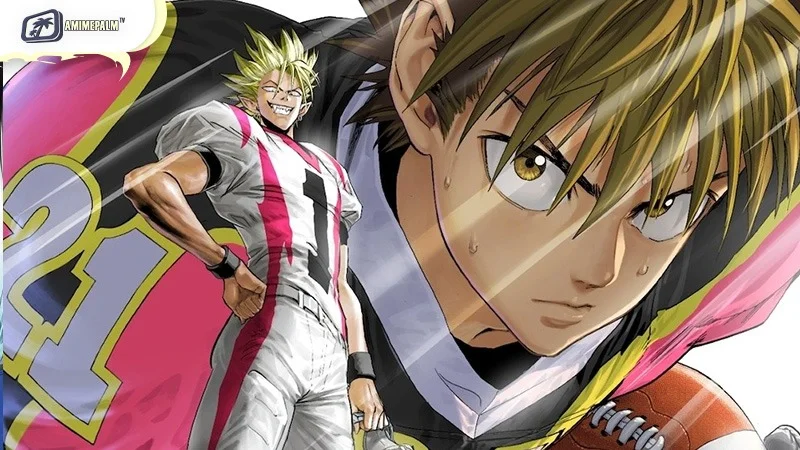
Eyeshield 21
American Football
Comedy Shounen
145
Various
13
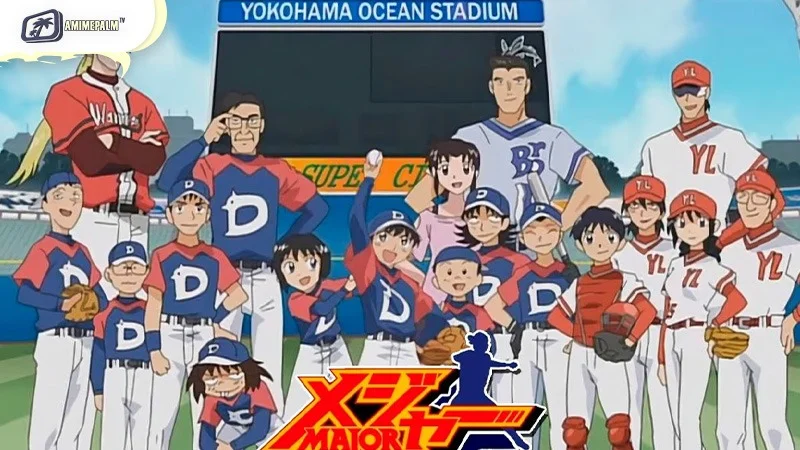
Major
Baseball
Generational
150+
Various
14
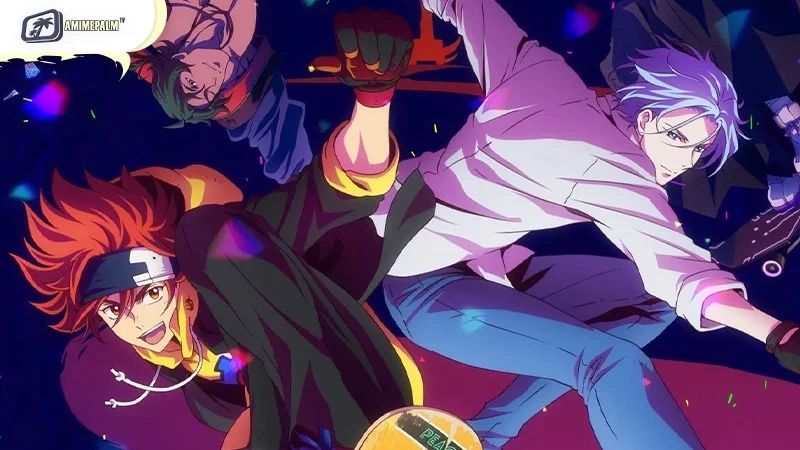
Sk8 the Infinity
Skateboarding
Action
12
Crunchyroll
15
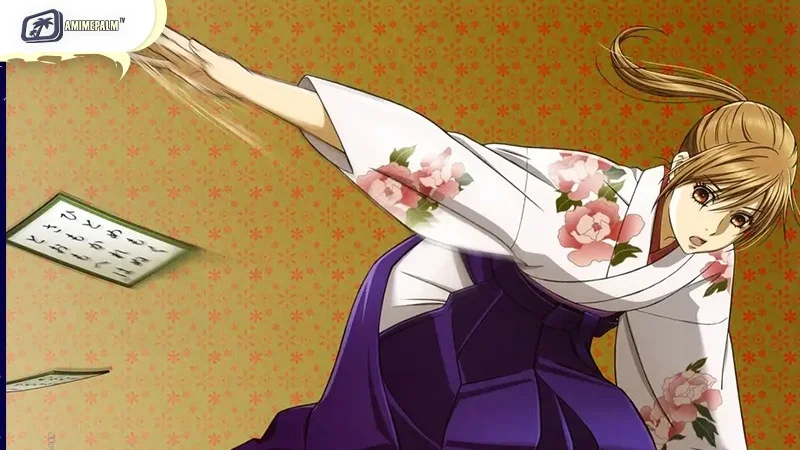
Chihayafuru
Karuta
Shoujo
74
HIDIVE
*Platform availability may vary by region.
These titles represent different eras, sports, and storytelling styles, offering both classic and new sports anime to watch.
What Sports Anime Made It to Our 15 Top Picks List
Below, we break down each title by impact, fan devotion, and staying power. Highlights are what make these series unforgettable and why they continue to dominate conversations across anime communities worldwide.
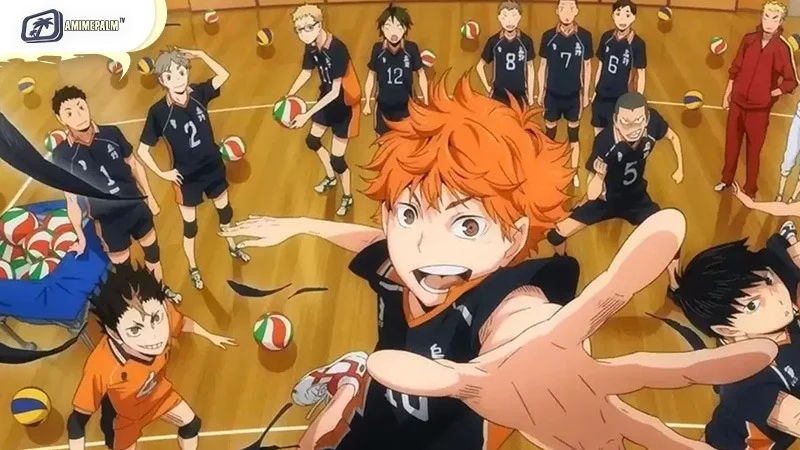
1. Haikyuu!!
Release Date: April 6, 2014
Source Material: Manga by Haruichi Furudate
Studio: Production I.G
MAL Score: ~8.45 (Season 1; later seasons above 8.70)
Why It’s Popular: Elite match animation, layered rivals, and tournament arcs (Shiratorizawa, Inarizaki) that trend heavily in fan polls and streaming rewatch charts.
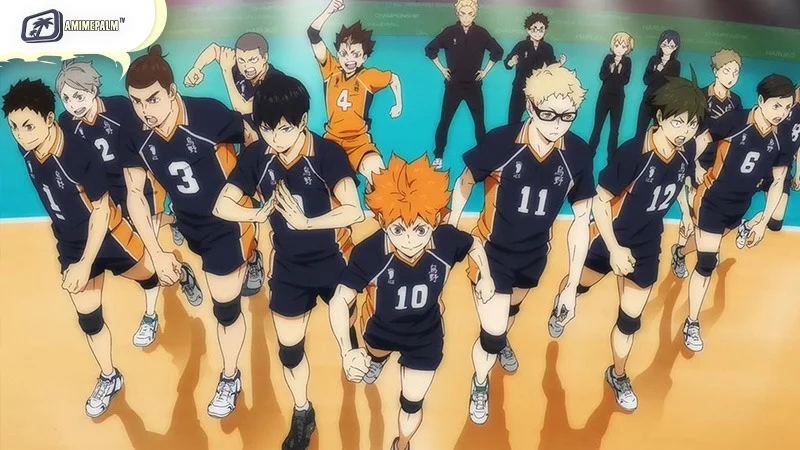
Few sports anime volleyball series reach this level of global impact. The story follows Hinata Shoyo and the Karasuno High team as they rebuild their reputation.
What makes it stand out is balanced character growth. Even rival teams feel human and layered. Matches like Shiratorizawa and Inarizaki are animated with dynamic pacing and emotional stakes.
It is often considered the most popular sports anime of the modern era and a perfect entry point for newcomers and veterans alike.
2. Slam Dunk
Release Date: October 16, 1993
Source Material: Manga by Takehiko Inoue
Studio: Toei Animation
MAL Score: ~8.55
Why It’s Popular: Helped boost real-life basketball participation in Japan; consistently ranked among the best 90s sports anime.
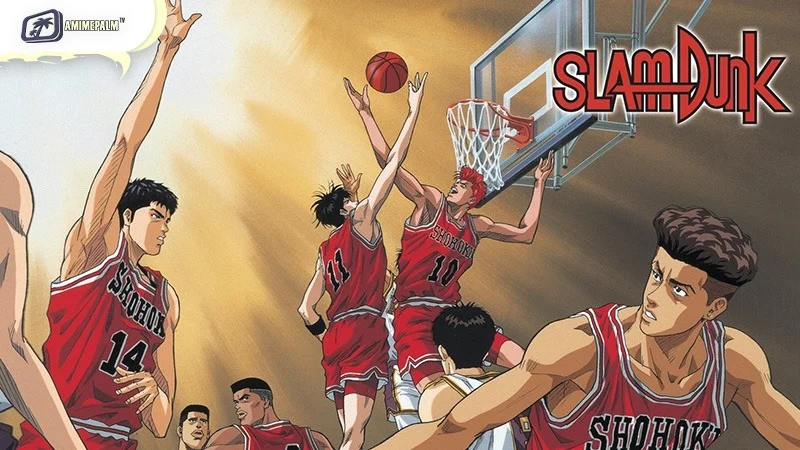
Slam Dunk – Hanamichi Sakuragi’s fiery basketball rise
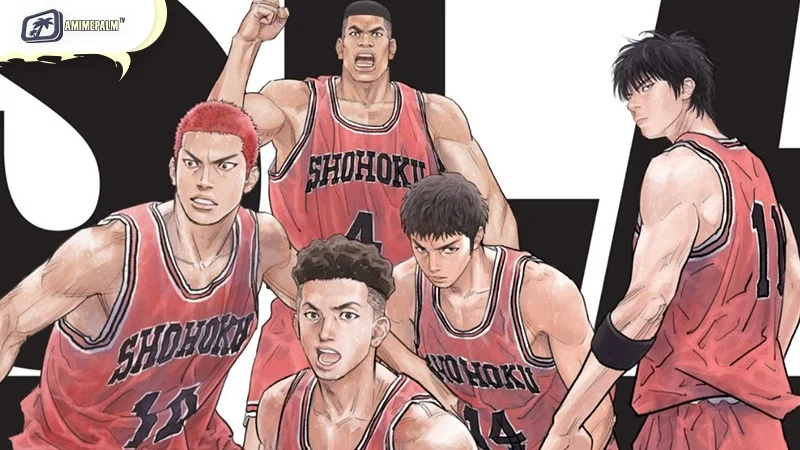
A foundational 90s sports anime, this basketball sports anime follows Hanamichi Sakuragi’s journey from delinquent to serious athlete.
Its cultural impact is massive. It influenced real-world basketball interest in Japan and shaped later sports storytelling. Even decades later, fans still debate its place among the best sports anime of all time.
3. Kuroko’s Basketball
Release Date: April 7, 2012
Source Material: Manga by Tadatoshi Fujimaki
Studio: Production I.G
MAL Score: ~8.07 (Season 1; Season 3 ~8.30+)
Why It’s Popular: High-intensity rival arcs and stylized “Generation of Miracles” abilities dominate basketball anime discussions online.
Kuroko’s Basketball – Generation of Miracles intense rivalry showdown
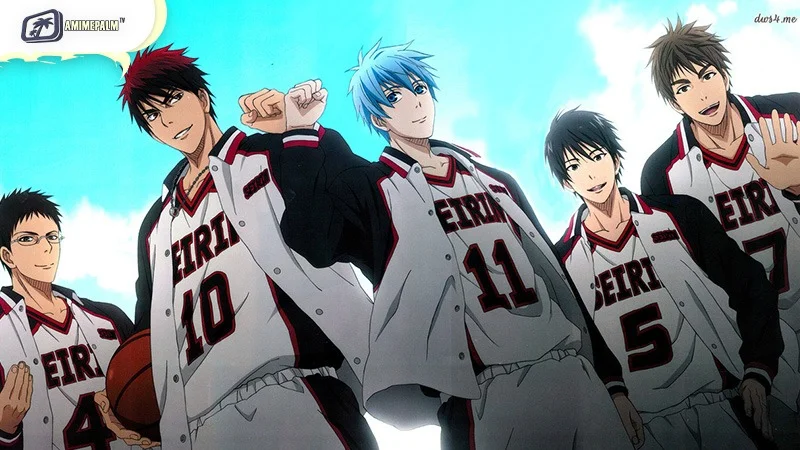
This shounen sports anime centers on the rivalry of the “Generation of Miracles.” Unlike realistic approaches, it embraces stylized abilities. It is hype-driven, dramatic, and intense. For viewers who enjoy flashy plays and rival showdowns, this remains one of the most popular sports anime in basketball.
4. Blue Lock
Release Date: October 9, 2022
Source Material: Manga by Muneyuki Kaneshiro (story) & Yusuke Nomura (art)
Studio: 8bit
MAL Score: ~8.20
Why It’s Popular: Psychological competition twist; manga surpassed 30 million copies in circulation post-anime boost.
Blue Lock – Ego-driven football survival competition battle
A bold take on sports anime football, Blue Lock turns soccer into a survival competition. The focus shifts from teamwork to ego. Compared to traditional titles, Blue Lock vs other sports anime feels darker and more psychological. It represents the modern wave of 21st-century sports anime trends.
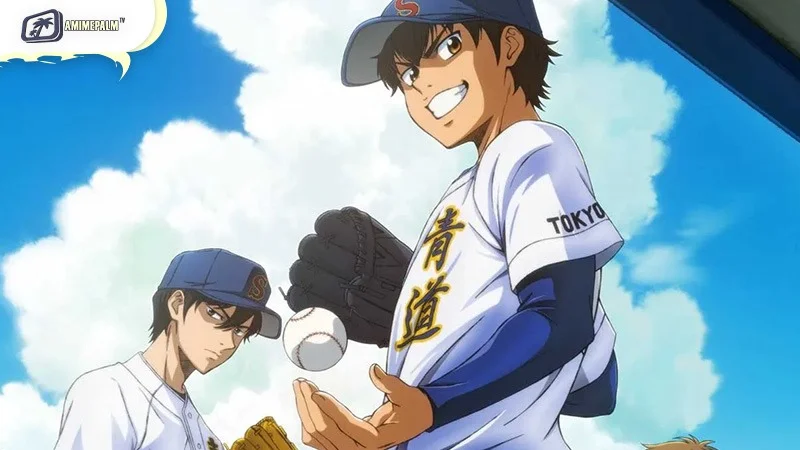
5. Ace of Diamond
Release Date: October 6, 2013
Source Material: Manga by Yuji Terajima
Studio: Madhouse & Production I.G
MAL Score: ~8.15
Why It’s Popular: Long-form baseball realism; respected for accurate pitching mechanics and tournament pacing.
Ace of Diamond – Eijun Sawamura’s relentless pitching ambition
Eijun Sawamura enters Seido High with raw talent and reckless confidence, only to face relentless internal competition. What defines this series is its uncompromising realism: pitch counts, bullpen politics, and tactical adjustments feel authentic.
Games stretch across tense arcs where every inning matters. Rather than instant glory, growth comes through setbacks, bench time, and earned trust, which hardcore baseball fans deeply respect.
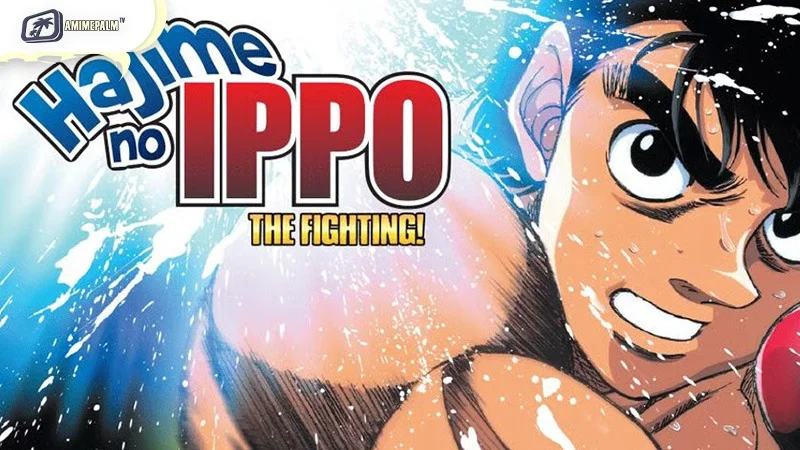
6. Hajime no Ippo
Release Date: October 3, 2000
Source Material: Manga by George Morikawa
Studio: Madhouse
MAL Score: ~8.75
Why It’s Popular: Often listed among the highest rated sports anime; authentic boxing techniques and memorable rival fights.
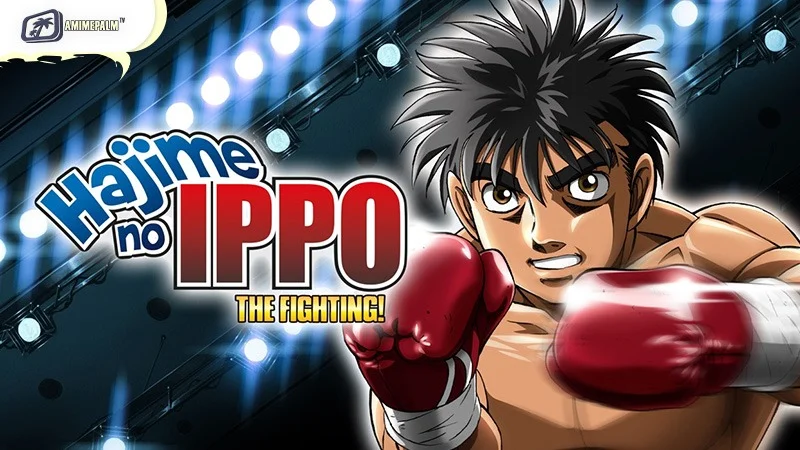
Hajime no Ippo – Ippo’s determined boxing championship journey
This boxing epic thrives on grit and discipline. Ippo Makunouchi’s rise is built on sweat-heavy training sessions, technical precision, and punishing bouts that showcase real boxing fundamentals.
Each opponent brings a distinct fighting style and psychological layer. The series balances humor with brutal ring intensity, creating matches that feel personal, painful, and explosively satisfying.
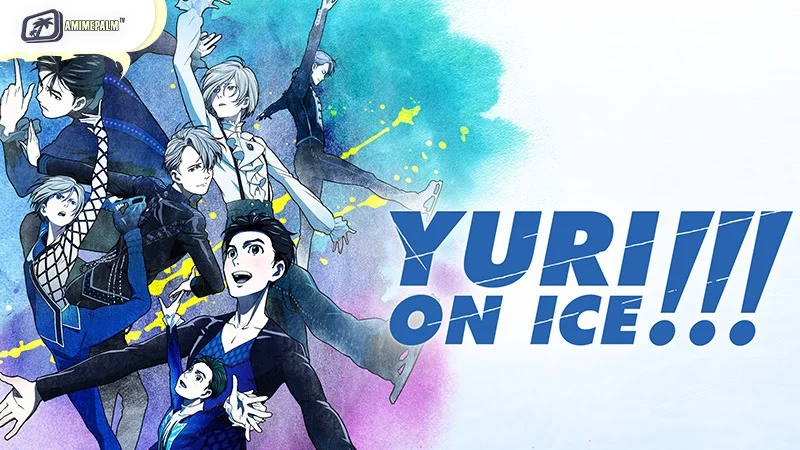
7. Yuri on Ice
Release Date: October 6, 2016
Source Material: Original anime concept by Sayo Yamamoto & Mitsuro Kubo
Studio: MAPPA
MAL Score: ~7.90
Why It’s Popular: International breakout hit; strong LGBTQ+ representation and viral performance sequences.
Yuri on Ice – Emotional figure skating performance romance
Blending athletic artistry with emotional vulnerability, this series transforms figure skating into intimate character storytelling. Programs are choreographed as expressions of fear, ambition, and love.
Its open LGBTQ+ representation broadened global conversation and fan culture. Beyond competition scores, the heart of the show lies in self-acceptance, mentorship, and performance as identity.
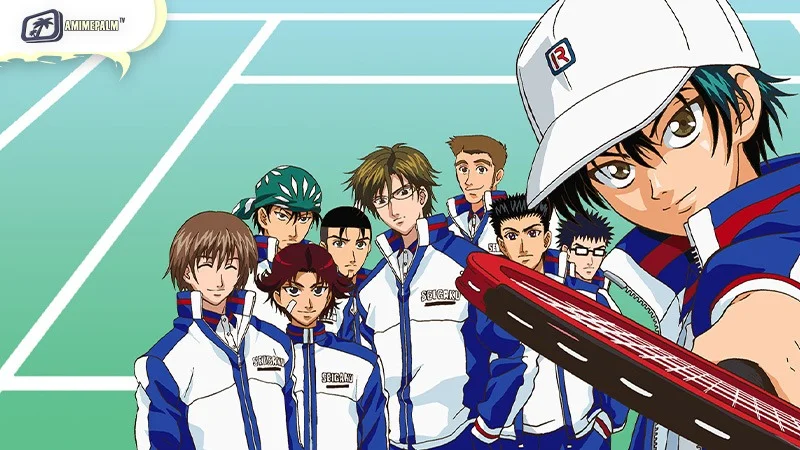
Prince of Tennis – Ryoma Echizen’s prodigy tennis dominance
Ryoma Echizen’s cool confidence anchors this long-running tennis saga. Early matches emphasize technique and fundamentals, but the series gradually embraces exaggerated signature moves that border on theatrical spectacle.
Its tournament structure, memorable rivals, and quotable one-liners shaped many later power-centric sports titles. Longevity and franchise expansion cement its classic reputation.
9. Run with the Wind
Release Date: October 3, 2018
Source Material: Novel by Shion Miura
Studio: Production I.G
MAL Score: ~8.40
Why It’s Popular: Critically praised character writing; often cited as an underrated sports anime gem.
Run with the Wind – College runners’ ekiden redemption race
Set in a college dorm rather than a high school gym, this series approaches competition with quiet intensity. Each runner carries personal baggage, from academic pressure to fractured self-worth.
Training sequences focus on endurance and mental resilience rather than flashy moments. The ekiden race becomes a culmination of collective healing and rediscovered purpose.
10. Free!
Release Date: July 4, 2013
Source Material: Light novel “High☆Speed!” by Koji Oji
Studio: Kyoto Animation
MAL Score: ~7.35 (Season 1)
Why It’s Popular: Strong global fandom presence; character-driven appeal and consistent sequel films.
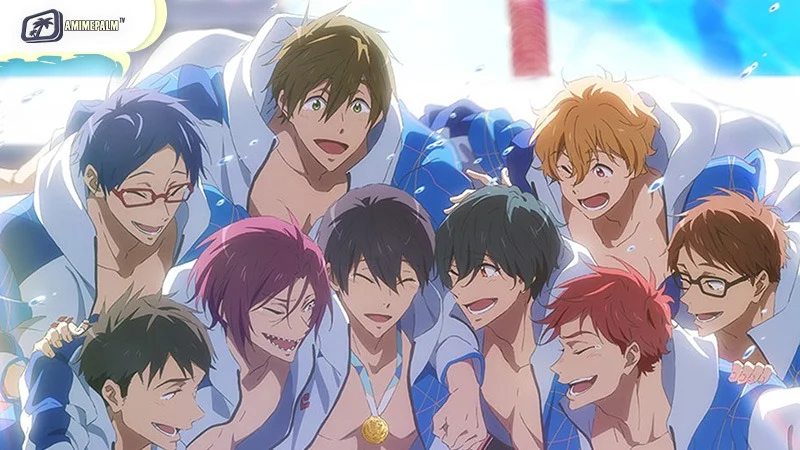
Free! – Competitive swimming friendship and rivalry drama
Centered on synchronized ambition and unresolved friendships, this swimming series leans into emotional currents as much as race results. Visual direction highlights fluid motion and expressive character interactions.
Rivalries feel personal rather than tactical. The franchise’s devoted fanbase thrives on character bonds, making it memorable for relationship-driven storytelling.
11. Captain Tsubasa
Release Date: October 13, 1983
Source Material: Manga by Yoichi Takahashi
Studio: Tsuchida Production
MAL Score: ~7.40 (1983 version)
Why It’s Popular: Inspired professional footballers worldwide; foundational sports anime of all time.
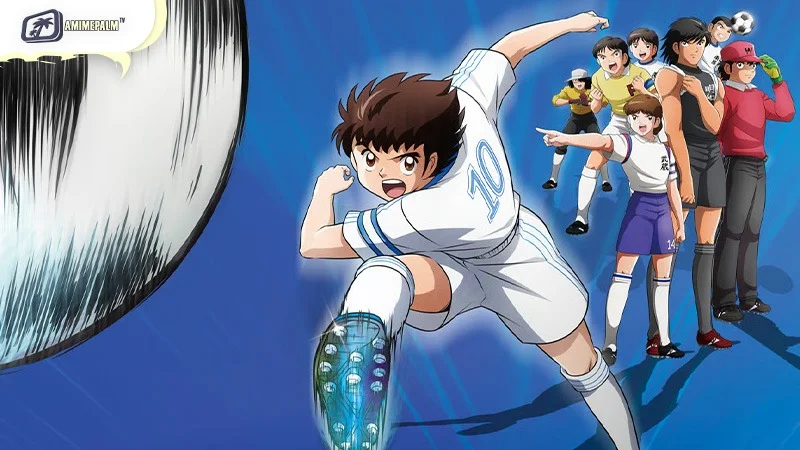
Captain Tsubasa – Legendary football dream and global influence
Few titles carry this level of historical weight. With dramatic bicycle kicks and seemingly endless goal attempts, it mythologized football for an entire generation. Professional players have cited it as inspiration.
Its larger-than-life style helped globalize anime itself, making it a foundational pillar in competitive storytelling.
12. Eyeshield 21
Release Date: April 6, 2005
Source Material: Manga by Riichiro Inagaki (story) & Yusuke Murata (art)
Studio: Gallop
MAL Score: ~7.90
Why It’s Popular: Fast-paced matches and Murata’s dynamic art elevate American football in anime.
Eyeshield 21 – Speedster Sena’s American football breakthrough
Fast-paced and unapologetically energetic, this American football series thrives on contrast. Sena Kobayakawa’s secret identity as a lightning-speed runner fuels comedic tension and dramatic plays. Illustrated by Yusuke Murata, the artwork bursts with motion. Strategic formations mix with absurd humor, delivering a uniquely entertaining tournament ride.
13. Major
Release Date: November 13, 2004
Source Material: Manga by Takuya Mitsuda
Studio: Studio Hibari
MAL Score: ~8.30 (Season 1; later seasons higher)
Why It’s Popular: Multi-season generational arc; often cited among the best sports anime of all time.
Major – Goro Honda’s lifelong baseball pursuit
Spanning childhood dreams to professional stadium lights, this saga chronicles Goro Honda’s relentless pursuit of baseball greatness. Few sports narratives commit to such long-term character evolution.
Injuries, family hardship, and international competition shape a life defined by perseverance. Its multi-season scope gives emotional payoffs unmatched in many genre entries.
14. Sk8 the Infinity
Release Date: January 10, 2021
Source Material: Original anime by Ichiro Okouchi
Studio: Bones
MAL Score: ~8.00
Why It’s Popular: Strong social media engagement; vibrant style and memorable rival dynamics.
Sk8 the Infinity – Underground skateboarding race adrenaline clash
Neon-lit downhill races and eccentric competitors define this modern skateboarding hit. “S” competitions transform abandoned industrial zones into adrenaline arenas. Charismatic personalities fuel online fandom enthusiasm.
The series balances rebellious energy with heartfelt friendship, creating a stylish spectacle that feels fresh within contemporary competitive anime.
15. Chihayafuru
Release Date: October 5, 2011
Source Material: Manga by Yuki Suetsugu
Studio: Madhouse
MAL Score: ~8.20 (Season 1; later seasons ~8.40)
Why It’s Popular: Award-winning manga adaptation; praised for emotional depth and competitive intensity in a niche sport.
Chihayafuru – Competitive karuta passion and poetic rivalry
Focused on competitive karuta, this series turns poetry recitation into razor-sharp reflex battles. The tension lies in split-second card grabs and layered emotional stakes. Romantic undertones and team loyalty deepen the narrative. Its elegance, cultural grounding, and character-driven arcs elevate it beyond typical genre expectations.
From sports anime volleyball like Haikyuu!! to classic basketball sports anime like Slam Dunk, this list offers something for everyone. If you are new, start with Haikyuu!! or Blue Lock. Hardcore fans may prefer Ace of Diamond or Major. Romance lovers can explore Yuri on Ice or Chihayafuru.
When watching sports anime series, pace yourself through tournament arcs and check legal streaming platforms such as Crunchyroll or Netflix. Join Reddit communities or anime forums to enhance the experience.
Volleyball rallies that feel like boss battles. Boxing matches where every punch carries years of fear and training. Basketball games that defined a generation. The best sports anime of all time don’t just show competition. They make you feel every serve, sprint, and knockout like you’re in the arena.
Best Sports Anime of All Time
These five series are the ones fans keep coming back to. Across Reddit threads, rating charts, and late-night debates, they stand tall, loved, respected, almost impossible to dismiss. If you want stories with real stakes, real growth, and pure adrenaline, this is where the real champions play.
#1 Haikyuu!!
When people ask for sports anime recommendations, Haikyuu!! is usually the first answer. It is the safest recommendation for beginners and is still respected by veteran fans. We treat Haikyuu!! as the benchmark for the best sports anime of all time because it balances realism and excitement better than almost any competitor.
Very few popular sports anime avoid backlash, but Haikyuu!! does. It rarely feels dragged out, overly dramatic, or dependent on gimmicks. The tone stays competitive without becoming toxic. Even when characters clash, the conflict pushes growth instead of shock value. Wins feel earned. Losses feel meaningful.
Haikyuu!! – The modern gold standard of sports anime
The series respects both its athletes and its audience, which keeps longtime fans loyal and newcomers comfortable. That balance is rare.
Here is a focused comparison with three similar titles, including Blue Lock, Ao Ashi, and Free!!, that are often recommended alongside it.
Aspect
Haikyuu!!
Blue Lock
Ao Ashi
Free!!
Core Philosophy
Team synergy as strength
Individual ego supremacy
Tactical intelligence and systems
Personal bonds & emotional healing
Emotional Tone
Competitive but uplifting
Intense and confrontational
Reflective and analytical
Sentimental and relationship-driven
Match Structure
Clear momentum swings & role execution
Survival-style elimination tension
Strategy-heavy positional learning
Short race bursts with drama
Character Balance
Deep development across full roster
Spotlight rotates around standout strikers
Focus on protagonist’s growth curve
Focus centered on main friend group
Accessibility
Easy for beginners & veterans
Appeals more to hype-driven viewers
Appeals to tactical football fans
Appeals to character-focused viewers
Long-Term Rewatch Value
High due to layered rivalries & team arcs
High for intensity, lower for subtlety
Strong for football learners
Strong for emotional comfort
What sets Haikyuu apart is not that it does one thing louder but does many things consistently well. It blends accessibility, emotional payoff, and technical clarity without leaning too heavily into spectacle, niche tactics, or pure character drama. That balance is why it takes the number one spot on this list instead of its closest competitors.
Verdict: Why It Still Wins in 2026?
Even in discussions about new sports anime 2026, Haikyuu remains the standard. Many newer shows are compared directly to it. If we measure other titles by clarity, emotional build-up, and ensemble growth, Haikyuu consistently scores high. It is not just popular. It is structurally strong.
#2 Slam Dunk
When older fans debate the best sports anime of all time, Slam Dunk always enters the conversation. It helped define how basketball is portrayed in anime. It influenced pacing, humor, and team dynamics in later titles.
Although Slam Dunk and its similar titles, Kuroko’s Basketball and Diamond no Ace, are respected sports anime, some aspects show why Slam Dunk earns the top spot in this ranking.
Slam Dunk — The foundational classic that still holds up
Aspect
Slam Dunk
Kuroko’s Basketball
Diamond no Ace
Narrative Focus
Personal growth integrated into team evolution
Rival-driven power escalation
Long-form competitive progression
Protagonist Arc Design
From delinquent novice to disciplined athlete
From support player to tactical weapon
From raw pitcher to team contender
Match Tension Source
Fundamentals, stamina, mental endurance
Signature moves and surprise counters
Pitching duels and tournament stakes
Emotional Weight
Built through repeated failure and small victories
Built through dramatic rival showdowns
Built through season-long grind
Character Transformation
Visible personality maturation
Skill evolution more than personality shift
Gradual confidence development
Cultural Impact
Genre-defining foundation
Modern spectacle standard
Baseball realism benchmark
Overall, Slam Dunk stands above the others because its transformation feels holistic. It is not just about improving skills or climbing brackets. It is about changing mindset, discipline, and identity. The growth affects both the player and the team culture. That deeper human progression is why it earns the number one spot over equally strong contenders.
Verdict: Why It Still Wins?
Slam Dunk is still relevant not simply for its legacy, but for its storytelling mechanics: steady character progression, authentic team chemistry, well-balanced humor and drama, and basketball tactics that remain clear and engaging today.
Even modern fans discovering sports anime to watch 2025 often rank Slam Dunk highly. The storytelling fundamentals hold up. It shaped the genre without feeling outdated.
#3 Hajime no Ippo
Hajime no Ippo is often cited in community threads as one of the best sports anime of all time, especially among long-time fans. Its strength lies in technical and psychological growth.
Hajime no Ippo — The fighting-sports masterpiece fans rarely argue against
Let’s see why Hajime no Ippo earns the top position over other combat-focused sports anime such as Megalo Box and Baki.
Aspect
Hajime no Ippo
Megalo Box
Baki
Core Conflict
Self-doubt vs discipline
Identity vs system
Strength vs domination
Fight Logic
Strategy rooted in real boxing mechanics
Enhanced gear changes combat dynamics
Physical extremes override realism
Damage Consequences
Injuries accumulate and affect future matches
Damage is stylized and symbolic
Characters often endure unrealistic punishment
Career Progression
Clear ranking climb within boxing structure
Narrative arc tied to one major tournament
Power scaling through increasingly absurd opponents
Psychological Depth
Fear, pressure, and mentorship explored deeply
Themes of freedom and rebellion
Focus on proving physical superiority
Viewer Investment
Long-term attachment to growth journey
Emotional payoff centered on thematic arc
Shock factor and spectacle drive engagement
Hajime no Ippo stands above the others because it treats boxing as a profession, not just a stage for spectacle. Every match connects to career stakes, accumulated damage, and emotional maturity. Growth is technical, mental, and structural. That layered progression gives it lasting weight beyond pure hype.
Verdict: Why Fans Rarely Reject It?
Hajime no Ippo rarely receives strong criticism because its character arcs unfold with patience and purpose. Losses carry real consequences, opponents are treated with respect, and training feels authentic. For many fans, it defines what great combat sports storytelling should look like.
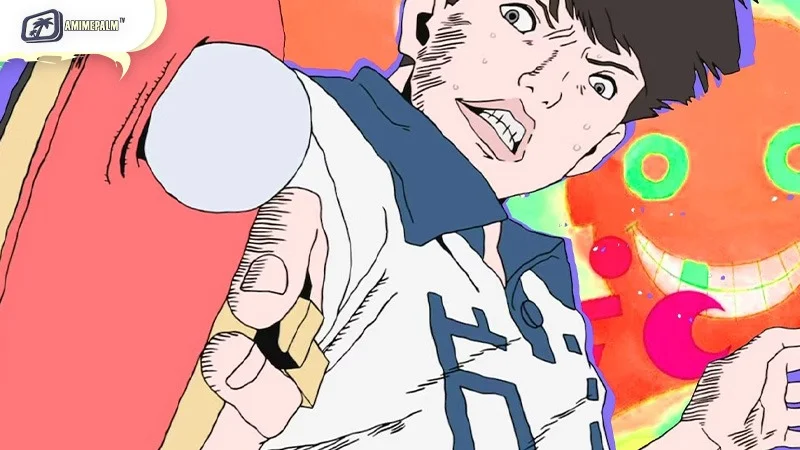
#4 Ping Pong the Animation
Ping Pong the Animation is often described as a masterpiece even by viewers who are not table tennis fans. Some hesitate because of its art style. However, once watched, it frequently converts skeptics.
What makes Ping Pong the Animation stand apart is its precision. The short episode count leaves no room for filler, allowing tight storytelling and deep psychological focus. It explores talent, effort, identity, and competitive pressure with emotional honesty, avoiding the typical tournament-driven formula.
Ping Pong the Animation — The critic and fan favorite pick
Take a look at a comparison of Ping Pong the Animation with two other character-driven sports anime, Chihayafuru and One Outs, that are often praised for psychological storytelling.
Aspect
Ping Pong the Animation
Chihayafuru
One Outs
Narrative Compression
Complete character arcs in 11 tight episodes
Multi-season emotional build
Episodic mind-game confrontations
Thematic Core
Talent vs effort, identity crisis, burnout
Passion, romance, long-term aspiration
Psychological manipulation and strategy
Character Vulnerability
Raw emotional exposure and insecurity
Gradual emotional growth
Calculated emotional detachment
Competitive Framing
Sport as personal self-discovery
Sport as lifelong devotion
Sport as battlefield of intellect
Mentorship Role
Deep mentor-student psychological influence
Supportive guidance structure
Tactical partnership dynamic
Emotional Aftertaste
Reflective and introspective
Warm and motivational
Thrilling and cerebral
Ping Pong the Animation stands at number one because it delivers a complete psychological transformation with remarkable efficiency. It strips competition down to internal struggle and identity, making every match feel existential rather than procedural. That concentrated emotional honesty gives it unmatched artistic weight.
Verdict: Why It’s Hard to Hate?
Even viewers who hesitate because of the art style often end up respecting its writing. The themes stay consistent, the emotions feel earned, and the craft is undeniable. As modern audiences seek deeper, character-driven storytelling, its reputation will likely continue to grow rather than fade.
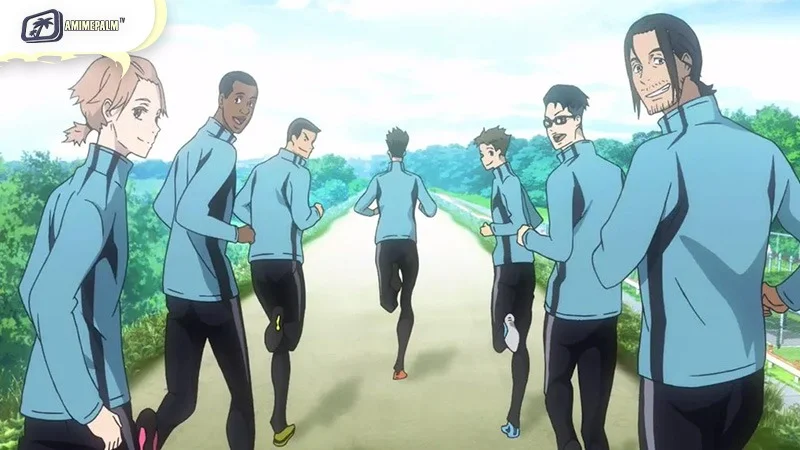
#5 Run with the Wind
Run with the Wind is frequently recommended alongside Haikyuu and Ippo. It proves that sports anime can focus on purpose and personal growth.
What makes Run with the Wind stand out is its grounded approach to ambition and teamwork. The story highlights individual motivation, shared responsibility, and the quiet discipline required to improve. Characters face realistic physical limits and adult-level decisions that shape their futures.
Run with the Wind — The prestige, character-driven team sports drama
Distance running becomes cinematic without dramatic exaggeration, driven by pacing and emotional buildup. It is not just slice-of-life storytelling. It is structured competitive growth.
We compare Run with the Wind with two other respected team-centered sports anime: Yowamushi Pedal and Tsurune. The following elements explain why it earns the top position in this category.
Aspect
Run with the Wind
Yowamushi Pedal
Tsurune
Age & Life Stage Focus
College athletes facing adult futures
High school competitors chasing glory
High school archers overcoming personal doubt
Definition of Success
Completion, growth, and shared achievement
Winning inter-high competitions
Restoring confidence and form
Team Dynamic Structure
Equal narrative weight across all ten members
Central spotlight on key cyclists
Emotional core centered on a small friend circle
Socioeconomic Realism
Financial strain, scholarships, housing pressure
Minimal real-world economic stakes
Limited external life pressures
Goal Urgency
Time-sensitive qualification for Hakone Ekiden
Seasonal tournament progression
Gradual club improvement
Emotional Tone
Reflective yet forward-looking
Energetic and exaggerated
Quiet and introspective
Run with the Wind stands at number one because it connects athletic ambition with real-world adulthood. The stakes extend beyond medals into identity, career direction, and shared responsibility. That grounded, transitional realism gives it lasting weight beyond pure competition or personal healing arcs.
Verdict: Why It Remains Respected?
Even today, its reputation holds because it portrays ambition without exaggeration and competition without hostility. The series resonates with viewers who value maturity, patience, and long-term growth. As audiences increasingly appreciate grounded storytelling, its quiet realism feels even more relevant and timeless.
All in all, across decades and trends, these five series continue to define what great sports storytelling looks like. They are not just popular sports anime. They are structurally strong, emotionally grounded, and widely respected across generations.
If you are searching for the best sports anime of all time, this focused list gives you the safest and strongest starting point. Watch them, compare them, and see why they still win.
A genetically engineered “humanzee” trying to survive high school shouldn’t feel this intense, yet The Darwin Incident turns that wild premise into something disturbingly real. Activists clash, cameras roll, and every quiet scene feels loaded with meaning.
This isn’t flashy sci-fi. It’s slow-burn tension, moral gray zones, and identity drama that creeps under your skin. The more it unfolds, the harder it is to look away, and honestly, that’s what makes it unforgettable.
The Darwin Incident
What Is The Darwin Incident?
Before we evaluate quality, we need a clear reference overview. Below is essential information about the series, including its manga origins and anime adaptation.
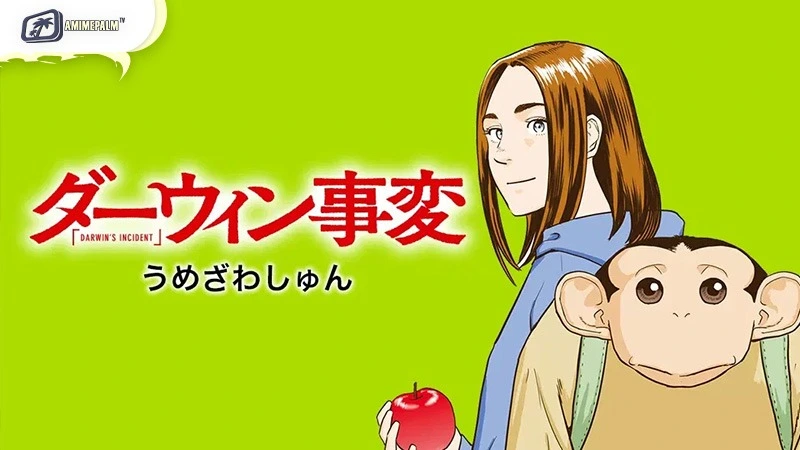
English Title: The Darwin Incident
Original Japanese Title: Darwin Jihen (ダーウィン事変)
Author & Illustrator: Shun Umezawa
Manga Serialization Start: 2020 (Monthly Afternoon, Kodansha)
Anime Official Premiere Date: January 7, 2026 (on TV Tokyo and its affiliate networks in Japan)
Studio & Production: Bellnox Films (directed by Naokatsu Tsuda)
Streaming: Amazon Prime Video
Demographic: Seinen
Genres: Sci-fi, Political Thriller, Drama
Official Teaser Visuals:
The Darwin Incident is positioned as a socially charged seinen title with clear political undertones and science-fiction framing. In short, it is not a light entertainment series. It is built around moral tension and identity conflict.
The Darwin Incident Plot Overview (Spoiler-Free)
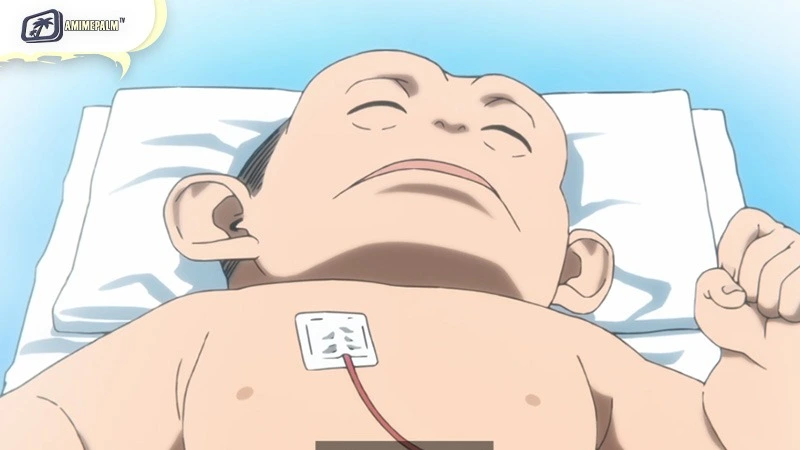
At its core, The Darwin Incident follows Charlie, a “humanzee”, or a genetically engineered human-chimpanzee hybrid, rescued from an extremist animal rights group.
Raised by human adoptive parents, Charlie attempts to live a normal teenage life. However, his existence becomes political. The Animal Liberation Front (ALF), a radical activist group, sees him as a symbol. Media outlets treat him as a spectacle. Society treats him as an anomaly.
Charlie was born as a humanzee
Such a narrative leads us to explore human experimentation ethics, animal rights extremism, social polarization, identity, and belonging. The tension does not rely on fantasy spectacle. Instead, it comes from uncomfortable realism.
The first episode establishes this tone immediately, presenting Charlie as both victim and symbol. The story stays grounded, even when its premise sounds outrageous.
The Darwin Incident Characters
This section focuses on psychology, symbolism, and narrative function rather than retelling events.
Charlie – The Humanzee Protagonist
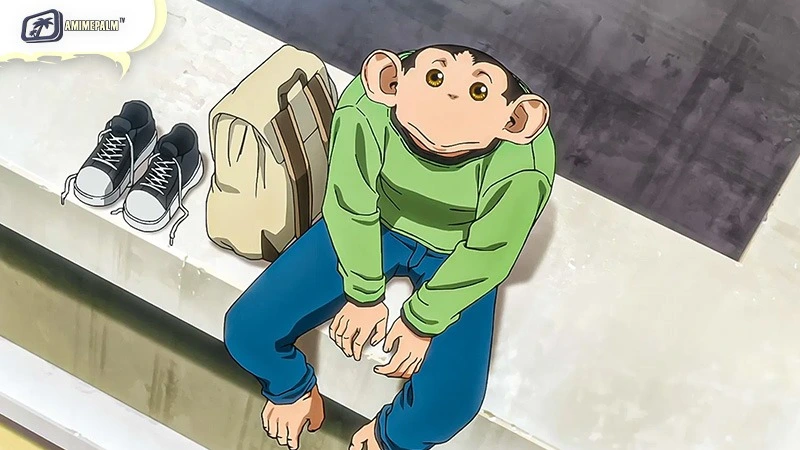
Charlie (voiced by Atsumi Tanezaki) is a genetically engineered hybrid: part human, part chimpanzee. He represents the central moral dilemma of the series. He is both an individual and a political object. Activists want to claim him. Scientists debate him. Society observes him.
Charlie struggles with identity. He is intellectually gifted yet emotionally reserved. His calm behavior contrasts with the chaos around him. Social alienation defines much of his early development. He asks an unspoken question: If society treats you as “other,” how do you define yourself?
Charlie’s quiet, barefoot contemplation illustrates the profound sense of isolation and identity struggle central to his character.
Charlie also embodies evolution vs humanity, nature vs nurture, and the ethical limits of science. He is less reactive than typical shonen protagonists. Instead, he processes events carefully, which fits the seinen tone.
Lucy Eldred – The Moral Counterweight
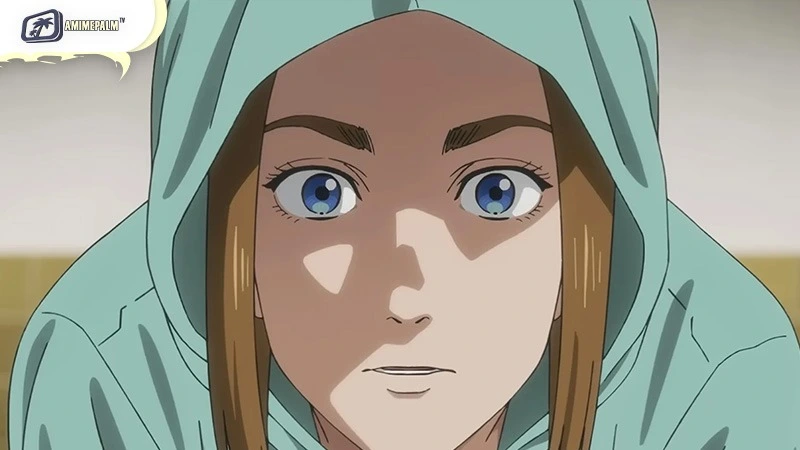
Lucy Eldred (voiced by Mitsuho Kambe) serves as Charlie’s connection to everyday humanity. She bridges the gap between Charlie and mainstream society. Through her, we see how a normal teenager responds to extraordinary circumstances.
Lucy Eldred serves as the essential human connection, bringing a grounded and moral perspective to extraordinary circumstances.
Moreover, Lucy does not exist only as support. She’s idealistic, emotionally intelligent, and morally grounded. Her actions question activism, social reactions, and institutional responses. She also represents compassion without extremism. Where ALF is radical, Lucy is humane.
The Animal Liberation Front (ALF) Members
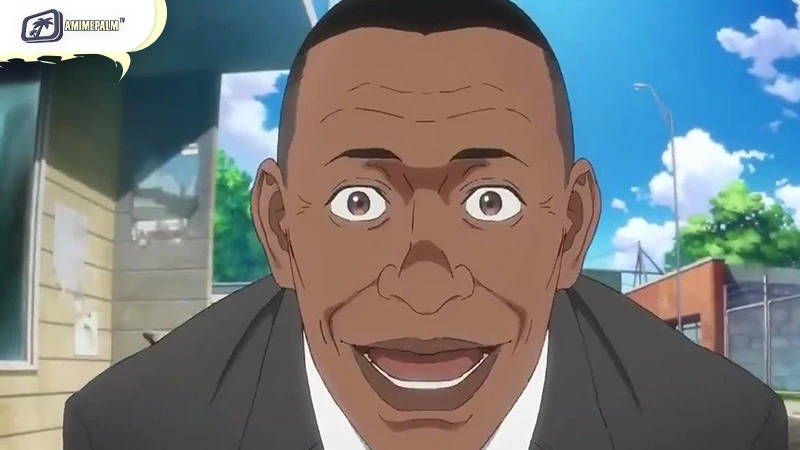
The ALF serves as ideological antagonists, though the manga presents them with nuance. The organization, prominently the founder Rivera Feyerabend (also known as Max) and radical leaders, believes Charlie proves humanity’s cruelty.
Rivera Feyerabend, the ALF’s founder, represents the unsettling charisma behind the series’ most extreme moral debates.
Their ideology demonstrates moral absolutism, an anti-human experimentation stance, and revolutionary framing. They see violence as justified resistance.
So are they Villains or Tragic Ideologues? Well, The Darwin Incident manga does not portray them as cartoon villains. Instead, it shows how extreme ideology can distort empathy. The story avoids direct real-world preaching but clearly reflects debates about activism and ethical boundaries. It feels like a critique rather than a satire.
Supporting Characters & Scientists
Researchers responsible for Charlie’s existence operate in moral gray zones. Some display cold rationality while others show regret. Their presence reinforces the ethical question: Does scientific progress justify risk?
Besides them, the anime features the characters in the school environment, such as Charlie’s classmates. They reflect society in miniature, where curiosity, fear, bullying, and fascination appear naturally.
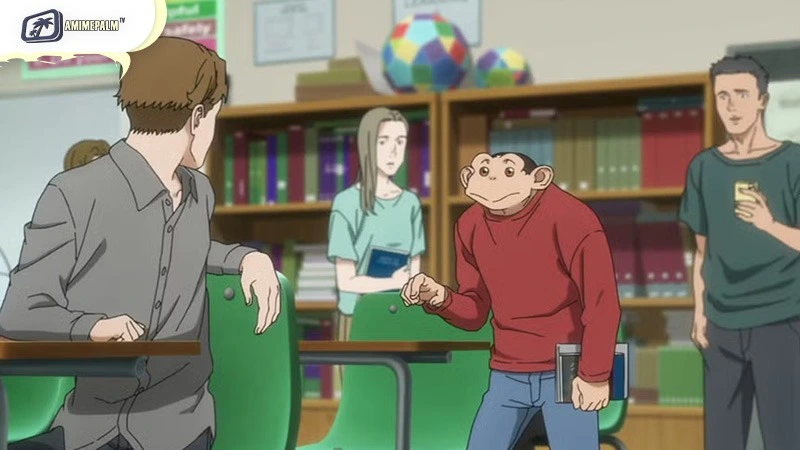
Charlie’s presence in the classroom turns the school into a social experiment, reflecting the broader world’s curiosity and fear.
We also see how government & media figures focus on control and optics. Media sensationalism amplifies tension. These supporting roles maintain realism without overwhelming the central narrative.
The Darwin Incident Anime Quality Review & Compare
Now we evaluate the adaptation itself. In terms of visual direction, the anime maintains grounded color palettes. Character animation emphasizes subtle facial expressions over exaggerated action. Charlie’s design preserves his unsettling realism. The balance between chimpanzee traits and human features is handled carefully.
Additionally, music supports tension rather than drama. The soundtrack avoids heavy melodrama, reinforcing psychological discomfort. The adaptation also respects the manga’s deliberate pacing. Scenes breathe. Dialogue matters.
Here is a clear side-by-side comparison of strengths and trade-offs:
Aspect
Anime
Manga
Visual Detail
Motion and atmosphere
Rich panel symbolism
Emotional Delivery
Voice acting enhances tension
Internal monologue depth
Pacing
Slightly streamlined
More reflective
Symbolism
Subtle visual cues
Dense thematic layering
The anime captures tone effectively, while The Darwin Incident manga offers deeper internal narration. Neither format replaces the other but complements.
What People Are Saying About The Darwin Incident – MAL & Reddit
If you scroll through The Darwin Incident MAL page, you’ll quickly notice a pattern: the serious crowd is thriving. Long reviews praise the writing for being bold, layered, and unafraid to poke at uncomfortable ethical questions. Seinen fans especially love how mature and deliberate the storytelling feels.
But let’s be honest, not everyone has the patience for it. Some users clearly walked in expecting fast twists and dramatic explosions, only to find slow-burn tension and emotional weight instead.
Over on The Darwin Incident Reddit, the vibe shifts from structured critique to passionate debate. Threads argue about whether ALF is portrayed fairly, whether the politics feel balanced, and whether Charlie is tragic or terrifyingly plausible.
There are thoughtful essays, heated takes, and yes, a steady stream of “humanzee” memes. It’s divided, it’s loud, but it’s deeply engaged, which honestly says a lot about the series’ impact.
Is The Darwin Incident Worth Watching or Reading?
If you’re a seinen fan who enjoys sitting in moral discomfort and overthinking fictional ethics at 2 a.m., you’re going to love this. We recommend this show for those who prefer slow-burn tension, political gray zones, and psychological drama.
But if you need constant fights, power-ups, and loud emotional speeches every ten minutes, this might test your patience. This story moves with intention, not explosions.
All in all, we land at a confident 8.5/10. It sticks to its premise, refuses to water itself down, and respects your intelligence.
Imagine stepping into a death game not for revenge or thrill, but because your fridge is empty. Playing Death Games to Put Food on the Table flips the survival genre on its head, grounding every brutal round in financial desperation. The tension feels painfully real, and every decision carries emotional weight.
We’re not just watching characters fight. We’re watching them calculate survival in the harshest way possible. It’s gritty, unsettling, and strangely human in all the right ways.
Shiboyugi: Playing Death Games to Put Food on the Table
What Is Shiboyugi: Playing Death Games to Put Food on the Table About?
At its core, Shiboyugi: Playing Death Games to Put Food on the Table follows ordinary young adults forced into lethal competitive games to earn money for survival. Unlike many flashy survival series, this one frames violence as labor. Participants are not chasing thrill or ideology. They are trying to pay rent, support family, or escape poverty.
The narrative focuses on how financial desperation reshapes morality. Alliances are unstable. Trust becomes currency. Winning means survival in more ways than one. The “death game” format is familiar, but the emotional weight leans toward realism rather than spectacle.
Without revealing spoilers, Episode 1 establishes a structured game system where rules are clear, consequences are immediate, and the psychological cost grows quickly. The series balances tension with character introspection, positioning itself firmly within the psychological thriller and social commentary space.
Quick Reference Overview
English Title:Playing Death Games to Put Food on the Table
Japanese Title:Shiboyūgi de Meshi o Kuu (死亡遊戯で飯を食う)
Japanese Title Meaning: “Shiboyugi” can be interpreted as a “desperate life-risking game,” reinforcing the survival theme tied to economic hardship.
Genre: Psychological Thriller, Survival Drama, Social Commentary
Subgenre: Economic Survival / Death Game
Format: TV Anime Adaptation
Original Source: Light Novel by Yushi Ukai (Published by MF Bunko J)
Animation Studio:Barnum Studio (Production) / Project No.9 (Animation)
Release Year: Premiered January 2026
Director: Ittōmaru (Note: Ittōmaru is the original illustrator and is heavily involved in the anime’s creative direction).
Official Trailer:
A main promotional trailer (PV) highlighting protagonist Yuki and key themes was released ahead of the broadcast, showcasing the series’ tense survival setup and visual tone.
The anime adaptation focuses on visual tension and pacing, while the novel version explores internal monologue and character psychology in greater detail. The adaptation condenses some inner conflict for screen impact.
Within the broader death-game genre, alongside titles like Squid Game or Alice in Borderland, this series emphasizes economic survival over mystery spectacle.
Character Guide – Who’s Who in Shiboyugi?
When discussing the Playing Death Games to Put Food on the Table characters, we need to look beyond surface archetypes. The cast functions as social commentary rather than simple genre roles.
Yuki Sorimachi – Protagonist Analysis
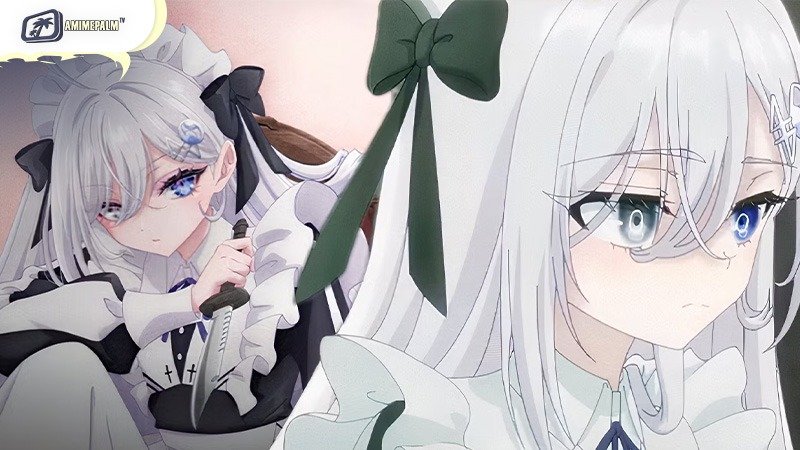
Yuki Sorimachi (voiced by Hina Hanatani) stands at the emotional center of the story. Psychologically, Yuki operates between empathy and survival instinct. She is not fearless; she is cornered. Her motivation is economic necessity, not glory. This grounding gives her moral hesitation real weight.
Yuki Sorimachi – the protagonist of Playing Death Games to Put Food on the Table
Key Character Dimensions:
High emotional intelligence
Financial desperation as motivation
Moral conflict between cooperation and self-preservation
Gradual emotional hardening
Yuki’s development potential lies in how long she can maintain compassion. The series frames her as someone who wants to protect others, yet the system punishes idealism.
Supporting Cast
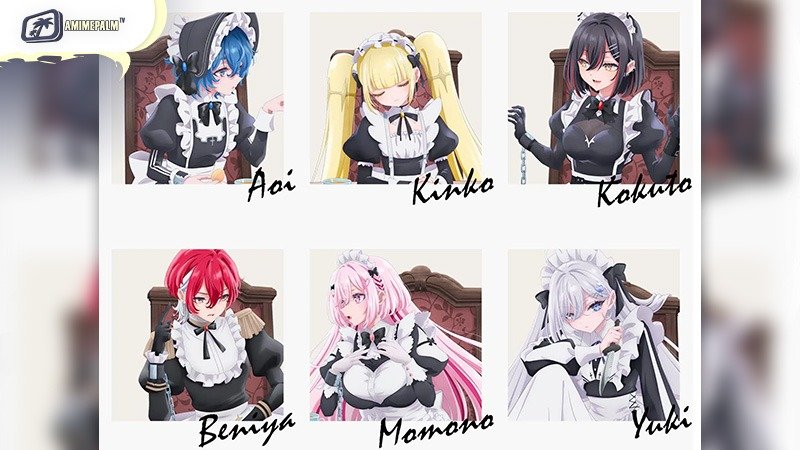
Aoi is a cautious newcomer who struggles to balance fear with survival instinct, often advocating strategic retreats over risky gambles.
Kinko is cheerful but sharp-minded. She uses quick thinking to navigate traps and subtly influence group decisions.
Kokutō is a stoic and silent presence whose unwavering focus makes her both reliable and unnerving in tense moments.
Beniya is a seasoned participant with a calm exterior, often serving as a mediator during conflicts and assessing threats with precision.
Momono is warm-hearted and empathetic. She pushes for alliances based on trust, even when logic suggests otherwise.
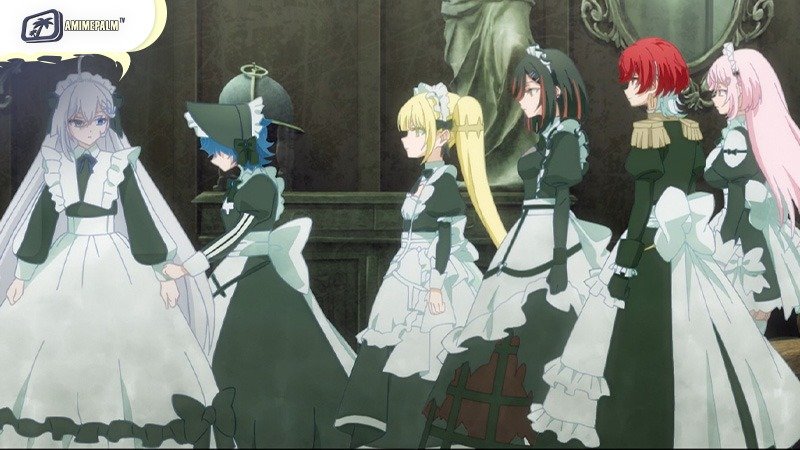
Playing Death Games to Put Food on the Table characters
These characters help shape the group dynamic and thematic depth of the death games, each reflecting a different way individuals cope with fear, cooperation, and survival under pressure.
Antagonistic Forces & System Design
The primary antagonist is structural. The organizers remain distant, reinforcing institutional cruelty rather than personal villainy. This distinction matters.
Instead of a single evil mastermind, the system itself becomes the villain. It’s an economic machine that monetizes desperation. This design adds realism and avoids melodrama.
We avoid major spoilers here, but the show clearly critiques exploitative systems rather than focusing solely on individual cruelty.
The death game system in Shiboyugi
Anime Episode 1 Review (Spoiler-Light)
Episode 1 sets the tone through controlled pacing rather than immediate chaos. The opening scene frames urban hardship before introducing the game mechanics. This grounding builds emotional context.
A scene in Playing Death Games to Put Food on the Table episode 1
Opening Scene & Tone Establishment
The first act uses muted colors and restrained music to emphasize realism. Rather than dramatic shouting, tension rises through silence and uncomfortable pauses. The emotional framing centers on necessity. We feel why characters agree to participate.
Animation, Direction & Sound Design
Episode 1 keeps things restrained and grounded. The character designs stay consistent, with muted colors that reflect the series’ economic struggle theme. Action scenes avoid flashy choreography and instead focus on tension. The small movements, pauses, and reactions carry weight.
Background art leans into urban realism, making everyday settings feel heavy and lived-in. The soundtrack is subtle, using silence and minimal scoring to build discomfort rather than forcing emotion. Voice performances are controlled and natural, especially in high-stress moments.
Overall, the direction favors atmosphere over spectacle. It may feel slow for viewers expecting explosive twists, but we appreciate how it supports the psychological tone of the series without exaggeration.
How Does It Compare on MAL and IMDb?
When audiences search for Playing Death Games to Put Food on the Table MAL score, they are usually looking for community validation.
Reception trends indicate:
Strong engagement from psychological thriller fans
Mixed reaction from viewers expecting high-speed action
Positive commentary on thematic ambition
Below is a genre-based comparison table using publicly listed scores at the time of writing.
Title
MAL Score (needs direct MAL/API pull)
IMDb Rating
Squid Game
—
7.9/10
Alice in Borderland (Netflix live-action)
—
7.7/10 (avg)
Kaiji: Ultimate Survivor
—
8.2/10
Shiboyugi: Playing Death Games to Put Food on the Table
—
6.8/10
Scores fluctuate, so we recommend checking official MAL and IMDb pages directly for updated numbers.
In general, audience reviews emphasize thematic depth over spectacle. This aligns with how Shiboyugi positions itself in the survival genre.
Final Verdict – Is It Worth Watching?
So, is ShiboyugiPlaying Death Games to Put Food on the Table worth your time?
We believe it is ideal for:
Viewers who enjoy psychological tension
Fans of economic or social commentary
Audiences who prefer grounded realism over flashy action
Its top strengths include a clear thematic focus, strong protagonist psychology, structured game mechanics, and consistent tone. Meanwhile, its weaknesses are slower pacing, limited visual spectacle, and heavy emotional atmosphere.
We rate its rewatch value as moderate, especially for thematic analysis. Also, the long-term potential is strong if future episodes expand systemic critique.
Our Rating: 8/10
In conclusion, Playing Death Games to Put Food on the Table stands out by turning survival into social critique. It may not be the loudest title in the genre, but it is one of the more intellectually engaging ones. If you value substance with tension, this series deserves a spot on your watchlist.
Steel, blood, curses, and some of the most unforgettable women in shonen anime. The Jujutsu Kaisen female characters lineup doesn’t sit on the sidelines. They fight, lead, challenge clans, break traditions, and in some cases, steal the entire arc.
Jujutsu Kaisen female characters
What makes female characters in Jujutsu Kaisen stand out isn’t just power. It’s presence. It’s conviction. It’s the way even supporting roles leave scars on the story. Whether you’re here for fan-favorite icons or curious about every woman across the series, you’re stepping into a roster built on impact, not decoration. Let’s dive straight into the names that shaped the battlefield.
A Complete List of All Female Jujutsu Kaisen Characters
Among modern shonen series, few casts feel as dynamic as the Jujutsu Kaisen females who drive major arcs, challenge clan systems, and redefine what strength looks like in battle. This list includes protagonists, antagonists, sorcerers from Tokyo and Kyoto Jujutsu High, clan members, curses, supporting figures, and arc-specific characters.
We focus on named characters with identifiable roles in the manga or anime. Below is a quick-look reference table of all 37 female characters before we move to detailed rankings.
No
Character
Affiliation
Role
First Appearance
Status
Ability
Story Impact
1
Maki Zenin
Tokyo Jujutsu High
Student
Ep 5
Active
Heavenly Restriction
Major
2
Nobara Kugisaki
Tokyo Jujutsu High
Main Trio
Ep 3
Unknown
Straw Doll Technique
Major
3
Shoko Ieiri
Tokyo Jujutsu High
Doctor
Ep 5
Active
Reverse Cursed Technique
Major
4
Mei Mei
Independent
Sorcerer
Ep 20
Active
Black Bird Manipulation
Moderate
5
Utahime Iori
Kyoto Jujutsu High
Teacher
Ep 14
Active
Cursed Energy Amplification
Moderate
6
Kasumi Miwa
Kyoto Jujutsu High
Student
Ep 14
Active
Simple Domain
Moderate
7
Mai Zenin
Kyoto Jujutsu High
Student
Ep 8
Deceased
Construction Technique
Major
8
Momo Nishimiya
Kyoto Jujutsu High
Student
Ep 14
Active
Tool Manipulation
Minor
9
Yuki Tsukumo
Special Grade Sorcerer
Independent
S2
Deceased
Star Rage
Major
10
Riko Amanai
Star Plasma Vessel
Supporting
S2
Deceased
None
Major
11
Tsumiki Fushiguro
Civilian
Supporting
Ep 1
Deceased
Vessel Role
Moderate
12
Uro Takako
Sorcerer (Past)
Antagonist
Manga
Unknown
Sky Manipulation
Moderate
13
Yorozu
Heian Era Sorcerer
Antagonist
Manga
Deceased
Construction
Major
14
Hana Kurusu
Angel
Supporting
Manga
Active
Jacob’s Ladder
Major
15
Kirara Hoshi
Tokyo Jujutsu High
Student
Manga
Active
Love Rendezvous
Moderate
16
Akari Nitta
Assistant Manager
Support
Ep 6
Active
Support Role
Minor
17
Nagi Yoshino
Civilian
Supporting
Ep 9
Deceased
None
Moderate
18
Mimiko Hasaba
Curse User
Antagonist
Ep 21
Deceased
Cursed Tool
Minor
19
Nanako Hasaba
Curse User
Antagonist
Ep 21
Deceased
Cursed Tool
Minor
20
Manami Suda
Curse User
Antagonist
Ep 21
Deceased
Curse Technique
Minor
21
Misato Kuroi
Star Plasma Vessel Guard
Support
S2
Deceased
Combat Skills
Moderate
22
Remi
Culling Game Player
Antagonist
Manga
Unknown
Scorpion Hair
Minor
23
Yuko Ozawa
Civilian
Supporting
Ep 24
Active
None
Minor
24
Sasaki
Occult Club
Supporting
Ep 1
Active
None
Minor
25
Nishimiya’s Sister
Civilian
Minor
Manga
Unknown
None
Minor
26
Kamo Clan Female Member
Clan
Minor
Manga
Unknown
Clan Technique
Minor
27
Zenin Clan Woman
Clan
Minor
Manga
Unknown
Clan Ability
Minor
28
Itadori’s Mother (Kaori)
Civilian
Antagonistic Link
Manga
Deceased
Unknown
Major
29
Agito (Form Component)
Curse
Antagonist
Manga
Destroyed
Composite Form
Minor
30
Smallpox Deity Host
Curse
Antagonist
S2
Destroyed
Domain
Moderate
31
Yaga’s Doll Girl
Puppet
Minor
Ep 8
Destroyed
Puppet Technique
Minor
32
Takada-chan
Idol
Supporting
Ep 7
Active
Cultural Impact
Minor
33
Rika Orimoto
Cursed Spirit
Major
JJK 0
Destroyed
Special Grade Curse
Major
34
Tsukumo’s Ally (Heian)
Sorcerer
Minor
Manga
Unknown
Unknown
Minor
35
Kogane (Female Voice)
Game Shikigami
Support
Manga
Active
Rule Management
Moderate
36
Uraume (Female form)
Curse User
Antagonist
Ep 21
Active
Ice Formation
Major
37
Mei Mei’s Assistant (Ui Ui’s sister/ mentor)
Support
Minor
Ep 20
Active
Support
Minor
This table helps you scan all female characters in Jujutsu Kaisen at once. Next, we break down the Top 10 based on recurring fan support and cultural impact.
Top 10 Best Female Characters in Jujutsu Kaisen Ranked
Our ranking combines official popularity polls and long-running community discussions. It reflects admiration, narrative weight, and fan connection, not just raw strength.
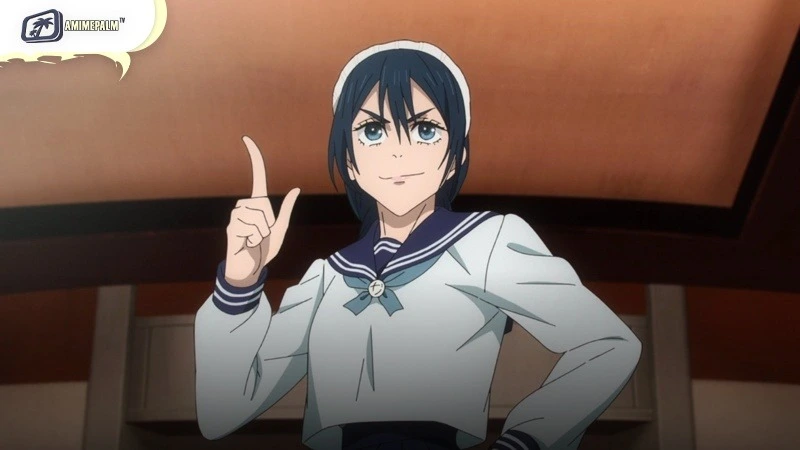
Maki Zenin – Heavenly Restriction warrior of Zenin Clan
Maki Zenin represents one of the strongest character arcs in modern shonen. Born without cursed energy in the Zenin Clan, she turns her “weakness” into overwhelming physical power through Heavenly Restriction.
Fans love her transformation after the Shibuya Incident and Zenin Clan arc. She consistently ranks as the most popular woman in official polls. Her resilience, design shift, and sheer dominance make her the definitive top pick among Jujutsu Kaisen female characters.
#2 Nobara Kugisaki
CV: Asami Seto
Debut: Manga Ch. 5 | Anime Ep. 3
Fan Appeal: Frequently labeled “Best Girl” in Reddit/Twitter threads during Season 1 broadcast
Nobara is often called “best girl” across Reddit and Tumblr threads. Her bold personality, confidence, and sharp dialogue give her strong chemistry with Yuji Itadori and Megumi Fushiguro.
Her Straw Doll Technique is visually unique and brutal. Beyond power, fans admire her independence and refusal to be defined by others. She performs strongly in polls and remains one of the most talked-about female characters in Jujutsu Kaisen.
#3 Utahime Iori
CV: Yoko Hikasa
Debut: Manga Ch. 32 | Anime Ep. 14
Fan Appeal: Consistently ranks among top female characters despite limited fight scenes
Personality: Strict but quietly caring mentor
Defining Arc: Kyoto Sister School Exchange Event
Utahime Iori – Kyoto Jujutsu High instructor
Utahime surprises many with her high fan rankings. As a Kyoto Jujutsu High teacher, she has limited screen time but a strong presence.
Her character design, calm authority, and fandom culture visibility keep her popular. She frequently appears in popularity discussions among female Jujutsu Kaisen characters, proving that screen time is not everything.
#4 Kasumi Miwa
CV: Chinatsu Akasaki
Debut: Manga Ch. 32 | Anime Ep. 14
Fan Appeal: Often described by fans as “too pure for this world”
Miwa is the “heart” character. She openly calls herself useless, which makes fans root for her more.
Her sincerity and relatability drive her popularity. Even without overwhelming strength, she ranks surprisingly high in polls. Miwa shows that emotional connection can outweigh combat ability in female characters in Jujutsu Kaisen.
#5 Shoko Ieiri
CV: Aya Endo
Debut: Manga Ch. 11 | Anime Ep. 5
Fan Appeal: Appreciated for calm presence and dark humor in high-stress scenes
Shoko embodies quiet competence. As the medical backbone of Tokyo Jujutsu High, she saves countless lives using Reverse Cursed Technique.
Fans appreciate her calm energy and understated humor. She regularly appears in “best girls” discussions because of her reliability and grounded personality.
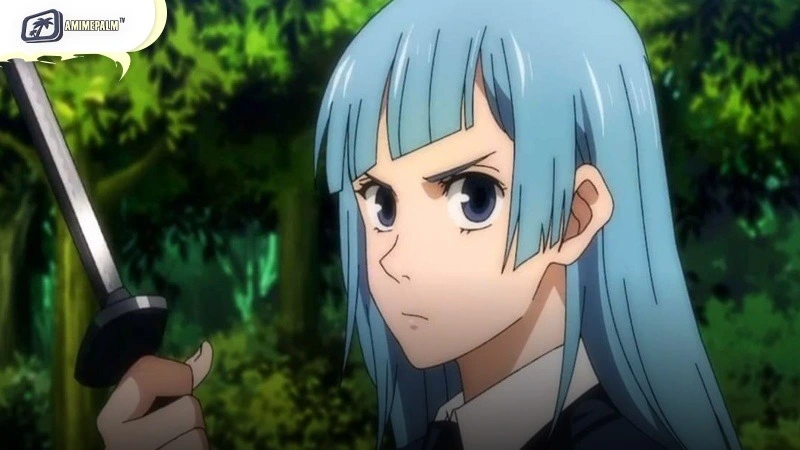
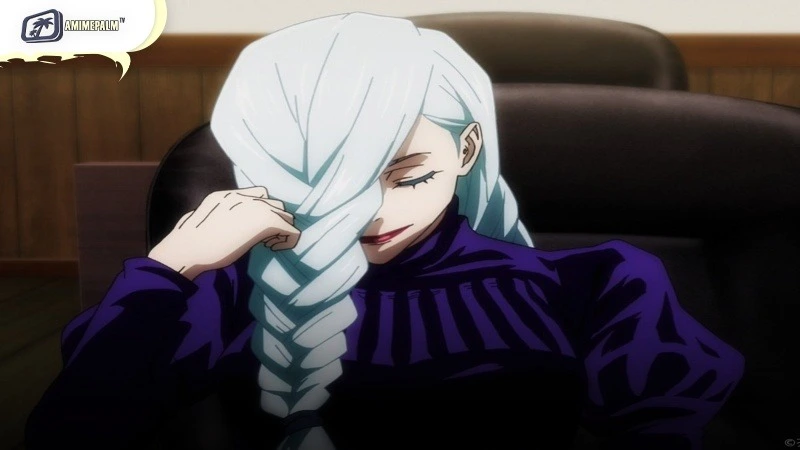
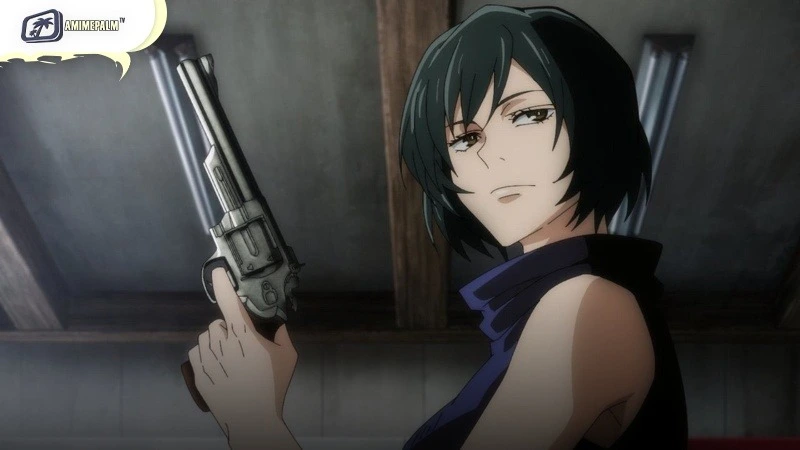
#6 Mei Mei
CV: Kotono Mitsuishi
Debut: Manga Ch. 40 | Anime Ep. 20
Fan Appeal: Known for her stylish aesthetic and pragmatic worldview
Mei Mei is one of the most polarizing yet consistently discussed women in the series. As an independent sorcerer who values profit and efficiency, she operates with calm calculation and zero hesitation. Her Black Bird Manipulation technique showcases tactical intelligence rather than brute force, especially during the Shibuya Incident.
Beyond combat, her sleek design, confident posture, and composed maturity often place her in fan conversations about the Jujutsu Kaisen hottest female characters. Mei Mei’s appeal comes from control: She owns every scene she enters, and fans never ignore her when she’s on screen.
#7 Mai Zenin
CV: Marina Inoue
Debut: Manga Ch. 17 | Anime Ep. 8
Fan Appeal: Emotional sister dynamic with Maki sparked major discussion during Season 2
Mai’s tragic relationship with Maki gives her emotional depth. Her struggles within the Zenin Clan and her sacrifice leave lasting impact.
Though divisive, she appears consistently in official rankings. Her story adds thematic weight to the discussion of clan politics and identity.
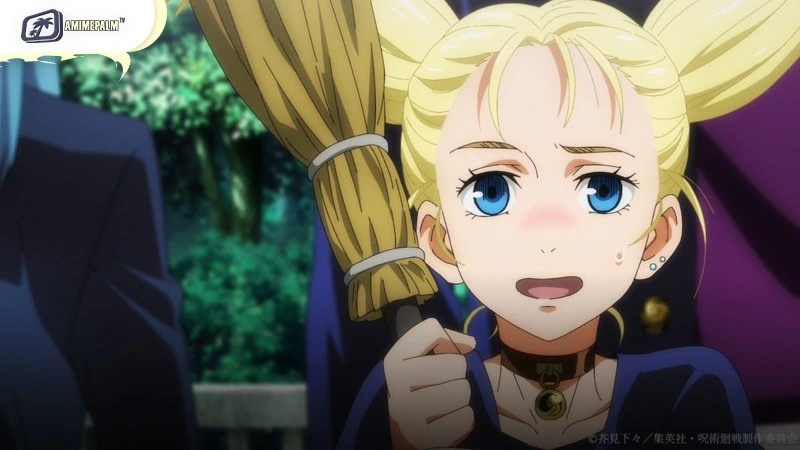
#8 Momo Nishimiya
CV: Rie Kugimiya
Debut: Manga Ch. 32 | Anime Ep. 14
Fan Appeal: Broom-riding combat style stands out visually among Kyoto students
Personality: Outspoken, loyal, protective of Mai
Defining Arc: Kyoto Sister School Exchange Event
Momo Nishimiya – Broom-riding Kyoto sorcerer
Momo represents Kyoto students in popularity polls. Her broom-riding combat style is visually distinct. While not among the strongest, she remains recognizable and consistently included when listing Jujutsu Kaisen female characters. Fans appreciate her loyalty and attitude.
#9 Riko Amanai
CV: Anna Nagase
Debut: Manga Ch. 65 | Anime Season 2 Ep. 1
Fan Appeal: Ranked in seasonal “Best Girl” polls during Hidden Inventory arc
Riko appears briefly in the Hidden Inventory arc but leaves major emotional impact. Her humanity and tragic fate resonate strongly. She even ranked highly in seasonal anime polls, showing cross-platform fan support beyond core manga readers.
#10 Yuki Tsukumo
CV: Mamiko Noto
Debut: Manga Ch. 50 (silhouette mention earlier) | Anime Season 2
Fan Appeal: Frequently cited in discussions as “wasted potential but iconic”
Defining Arc: Culling Game (Kenjaku confrontation)
Yuki Tsukumo – Special Grade free-spirited sorcerer
Yuki Tsukumo carries a Special Grade mystique. Her bold personality and philosophy about cursed energy stand out. She may not dominate official polls like Maki or Nobara, but in discussion forums, she receives passionate support. Many fans consider her underutilized yet iconic among female characters in Jujutsu Kaisen.
Across 37 entries, the strength of Jujutsu Kaisen female characters lies in diversity. As the anime heads toward the Culling Game, the role of female characters in Jujutsu Kaisen shifts from support to center stage. Watch for Maki’s complete evolution and the introduction of heavy hitters like Hana Kurusu and Yuki Tsukumo, who redefine the series’ power ceiling.
This roster proves that impact isn’t just about survival; it’s about leaving an indelible scar on the world of sorcery. To stay ahead of these evolving power dynamics, you can follow the detailed breakdowns at AnimePalm as these women continue to break shonen traditions in the upcoming seasons.
Romance anime is one of the most emotionally engaging genres in Japanese animation, covering everything from lighthearted comedy to deeply emotional drama. At its best, romance feels natural and earned, built on believable character chemistry, steady emotional growth, and satisfying payoffs.
Strong romance anime places relationships at the center of the story rather than treating them as background elements. Whether set in modern life, fantasy worlds, or historical periods, the romance must fit the tone, themes, and pacing to feel authentic. With so many options available, we created this guide to help you find clear, reliable recommendations based on mood, genre, and personal taste.
Top 5 Best Romance Anime Series of All Time
We introduce the best romance anime series that consistently appear in expert reviews, fan discussions, and long-term recommendations. These titles represent the most influential and emotionally complete romantic anime, shaping how romance is portrayed across the medium.
Toradora!
Quick facts
Episodes: 25
MAL Score: ~8.1
Release year: 2008
Source: Light novel by Yuyuko Takemiya
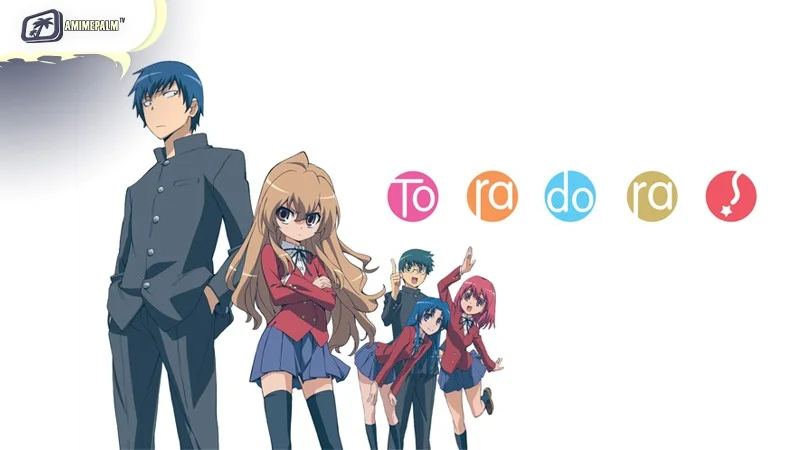
Toradora! anime review – Taiga Aisaka and Ryuuji Takasu series poster
Toradora! is often considered a benchmark for modern school romance anime. It begins with sharp comedy and exaggerated personalities, then gradually shifts toward emotional depth. The relationship between its leads develops through misunderstandings, vulnerability, and personal growth rather than instant attraction.
What makes this anime special is how it explores insecurity, family expectations, and emotional honesty. As the characters mature, the romance evolves naturally, delivering a satisfying emotional payoff that still resonates with viewers today.
Fruits Basket
Quick facts
Episodes: 63 (2019–2021 adaptation)
MAL Score: ~8.6
Release year: 2019
Source: Manga by Natsuki Takaya
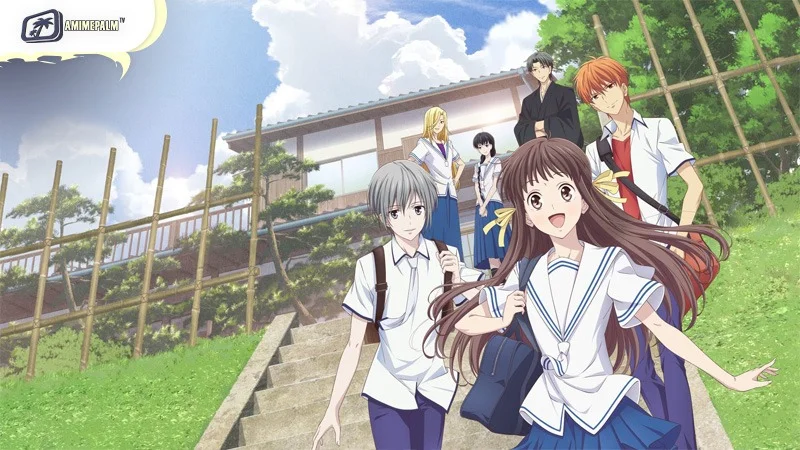
Fruits Basket 2019 anime review – Tohru Honda and the Sohma Zodiac family
Fruits Basket blends supernatural elements with a deeply emotional romance narrative. Rather than focusing only on romantic attraction, the series emphasizes healing, trust, and emotional acceptance. Each relationship is shaped by personal trauma and gradual emotional recovery.
As a romance series, it rewards patience. Long-term storytelling allows relationships to grow organically, making the final emotional resolutions feel earned. Its balance of warmth and sadness places it among the best romance anime of all time.
Clannad & After Story
Quick facts
Episodes: 47 (combined)
MAL Score: ~8.9 (After Story)
Release year: 2007–2009
Source: Visual novel by Jun Maeda
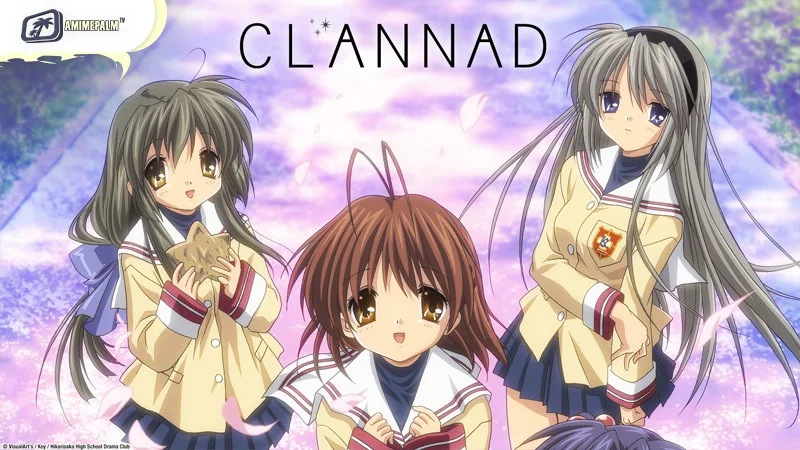
Clannad After Story anime review – Nagisa Furukawa and Tomoya Okazaki emotional journey
Clannad and After Story takes romance anime beyond teenage love and into adulthood. The story follows relationships through major life transitions, including career decisions, family responsibility, and loss. Romance becomes deeply tied to personal growth and hardship.
This series is known for its emotional intensity. While difficult to watch at times, it offers one of the most realistic portrayals of long-term commitment in anime romance, making it a defining classic.
Horimiya
Quick facts
Episodes: 13 (+ Pieces)
MAL Score: ~8.2
Release year: 2021
Source: Manga by Hiroki Adachi (HERO)
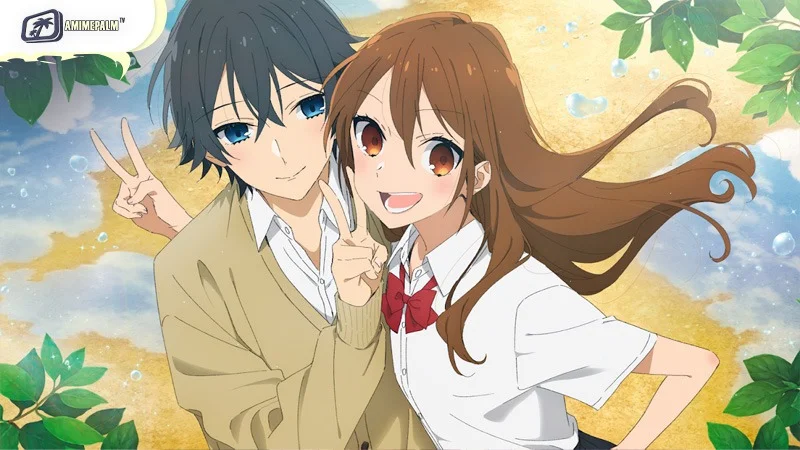
Horimiya anime review – Kyoko Hori and Izumi Miyamura high school romance
Horimiya represents the most popular romance anime style of recent years. It focuses on realistic teenage relationships, emotional openness, and everyday moments rather than dramatic conflict. The pacing is fast, reflecting modern relationship dynamics.
When contrasted with the underrated romance anime Just Because!, Horimiya feels brighter and more expressive. Both portray realism, but Horimiya’s accessibility and warmth explain its mainstream success.
Golden Time
Quick facts
Episodes: 24
MAL Score: ~7.7
Release year: 2013
Source: Light novel by Yuyuko Takemiya
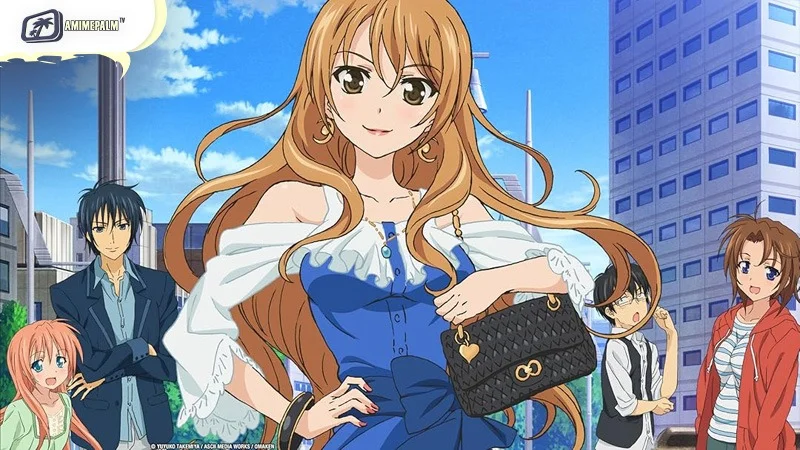
Golden Time anime review – Koko Kaga and Banri Tada college romance
Golden Time stands out by focusing on college-age characters rather than high school students. Its romance explores emotional baggage, identity, and the fear of starting over. These themes make it feel more mature than many alternatives.
The series balances drama with heartfelt moments, offering a romance story that resonates with viewers seeking emotional complexity beyond teenage experiences.
Top 3 Comedy Romance Anime: Rom-Com Favorites
Comedy romance anime focuses on humor-driven storytelling where misunderstandings, exaggerated personalities, and playful conflict guide romantic progress. These series emphasize entertainment first while still delivering emotional sincerity, making them ideal for viewers who want romance anime that feels light, accessible, and fun without sacrificing character development.
Kaguya-sama: Love Is War
Quick facts
Episodes: 37 + movie
MAL Score: ~8.6
Release year: 2019
Source: Manga by Aka Akasaka
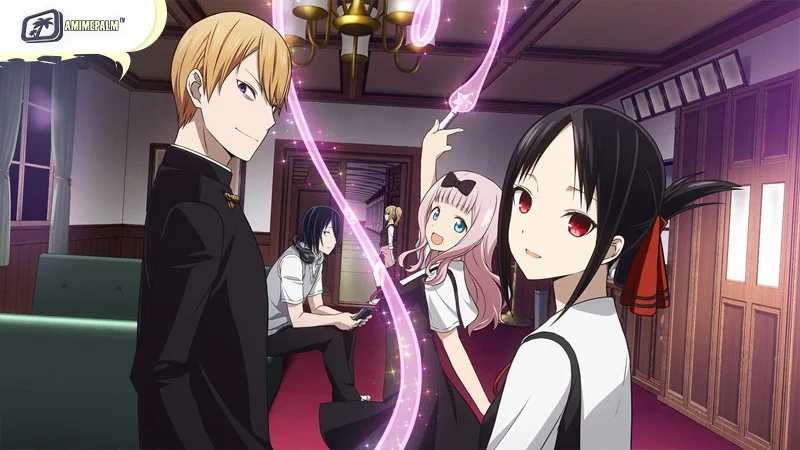
Kaguya-sama Love Is War anime review – Kaguya Shinomiya and Miyuki Shirogane battle of wits
Kaguya-sama: Love Is War presents romance as a battle of pride and strategy. Instead of direct confessions, the leads engage in exaggerated psychological warfare, turning simple romantic tension into high-energy comedy. This unique structure keeps the story engaging even without traditional romantic milestones.
Beneath the humor, the series carefully develops emotional vulnerability. As characters confront their insecurities, the romance slowly becomes more sincere. This balance of comedy and emotional growth makes it one of the strongest comedy romance anime in recent years.
My Love Story!!
Quick facts
Episodes: 24
MAL Score: ~7.9
Release year: 2015
Source: Manga by Kazune Kawahara
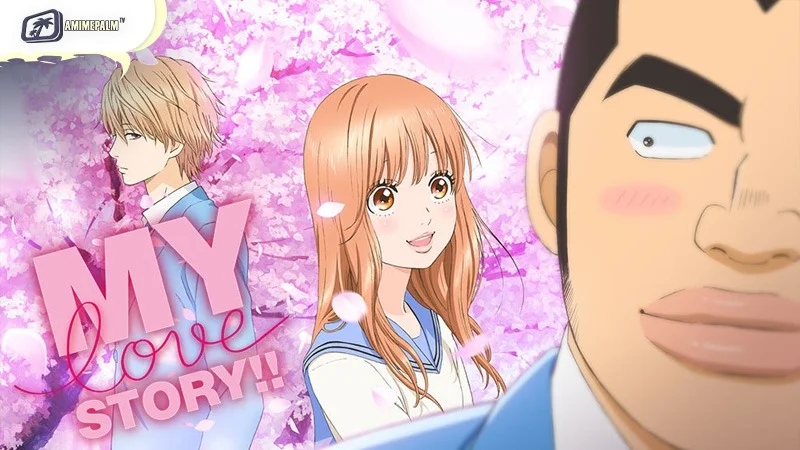
My Love Story!! anime review – Takeo Goda and Rinko Yamato wholesome romance
My Love Story!! subverts typical romance anime expectations by featuring an unconventional male lead whose kindness defines the relationship. Rather than focusing on rivalry or misunderstandings, the series highlights mutual support and emotional honesty from the start.
This title stands out for its positivity. Conflict is minimal, allowing the story to focus on everyday affection and personal growth. Its wholesome tone makes it ideal for viewers seeking a comforting rom-com experience.
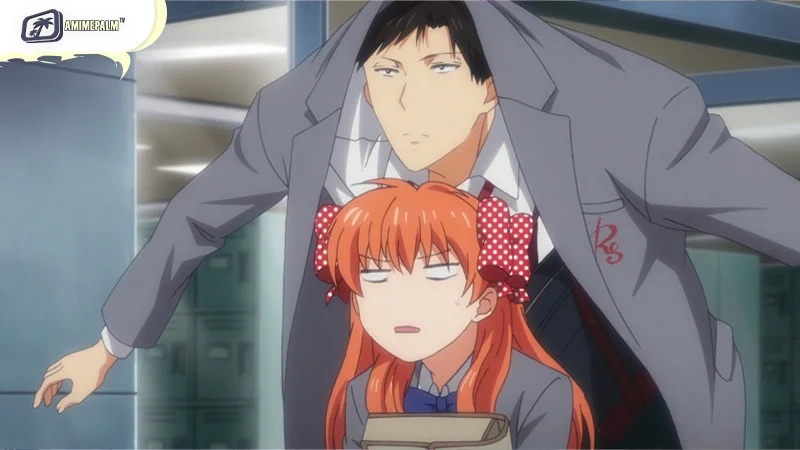
Monthly Girls’ Nozaki-kun uses romance tropes as the foundation for parody. The central relationship barely progresses, but the humor comes from constant misunderstandings and exaggerated character dynamics surrounding romantic clichés.
While romance develops slowly, the series succeeds as a comedy romance anime by leaning into self-awareness. It appeals to viewers familiar with genre conventions and offers a refreshing, lighthearted contrast to emotionally intense series.
Top 3 Action Romance Anime
Action romance anime blends emotional connection with combat, adventure, or fantasy conflict. In these series, romance grows through shared danger and long-term commitment, appealing to viewers who want romance anime where emotional bonds are strengthened by action-driven storytelling.
Sword Art Online
Quick facts
Episodes: 96+ (multiple arcs)
MAL Score: ~7.2
Release year: 2012
Source: Light novel by Reki Kawahara
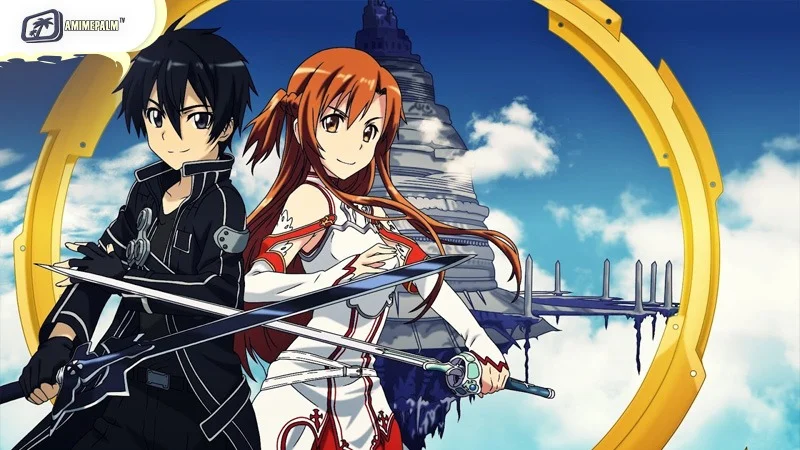
Sword Art Online anime review – Kirito and Asuna action romance partnership
Sword Art Online integrates romance directly into its action-focused narrative. Unlike many action romance anime, the main couple forms early and remains central throughout the story, providing emotional stability amid constant danger.
The romance complements the virtual-world setting by highlighting trust and partnership. While opinions vary on execution, its influence on modern romance anime action hybrids is undeniable.
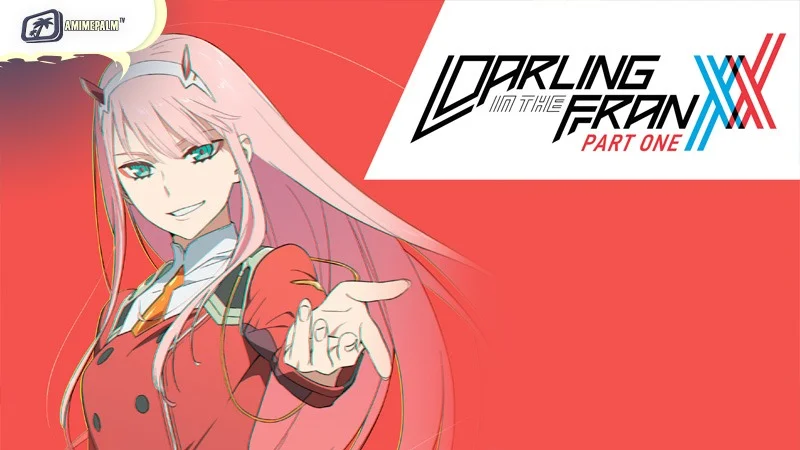
Darling in the Franxx
Quick facts
Episodes: 24
MAL Score: ~7.2
Release year: 2018
Source: Original anime by Studio Trigger & A-1 Pictures
Darling in the Franxx anime review – Zero Two and Hiro mecha romance
Darling in the Franxx uses mecha combat as a metaphor for intimacy and identity. Romance is inseparable from the action, with emotional connection directly tied to survival and personal purpose.
Though divisive, the series remains influential. Its ambition and symbolic approach make it a notable action romance anime that sparks discussion long after viewing.
Inuyasha represents a classic blend of action, fantasy, and romance. The relationship develops slowly across many conflicts, allowing trust and affection to grow naturally. Its long-form storytelling helped define romance anime action pacing and continues to influence modern series within the genre.
Top 3 Fantasy Romance Anime
Fantasy romance anime places emotional connection within imaginary worlds shaped by magic, royalty, or myth. These series focus on how romance develops under unusual rules and responsibilities, offering viewers a blend of emotional intimacy and imaginative settings that expand beyond everyday realism while keeping relationships central.
Snow White with the Red Hair
Quick facts
Episodes: 24
MAL Score: ~7.8
Release year: 2015
Source: Manga by Sorata Akiduki
Snow White with the Red Hair anime review – Shirayuki and Zen Wistaria fantasy romance
Snow White with the Red Hair presents a calm, character-driven fantasy romance anime centered on mutual respect. The relationship develops through trust, independence, and shared values rather than dramatic conflict or fate-driven attraction.
The low-stakes political setting allows romance to unfold naturally. We recommend this series to viewers who prefer gentle fantasy romance with a strong, capable female lead and minimal emotional manipulation.
The Ancient Magus’ Bride
Quick facts
Episodes: 24
MAL Score: ~8.1
Release year: 2017
Source: Manga by Kore Yamazaki
The Ancient Magus’ Bride anime review – Chise Hatori and Elias Ainsworth dark fantasy romance
The Ancient Magus’ Bride blends dark fantasy with emotionally complex romance. The story focuses on healing, belonging, and learning how to love rather than traditional romantic progression.
This fantasy romance anime stands out for its atmosphere and symbolism. Romance grows slowly through emotional understanding, making it ideal for viewers seeking depth and introspection rather than lighthearted fantasy.
Yona of the Dawn
Quick facts
Episodes: 24
MAL Score: ~8.0
Release year: 2014
Source: Manga by Mizuho Kusanagi
Yona of the Dawn anime review – Princess Yona and Son Hak fantasy romance adventure
Yona of the Dawn combines political intrigue, adventure, and slow-burn romance. The emotional bond develops as characters endure exile, danger, and personal transformation together.
Romance remains restrained but meaningful. We find this series effective for viewers who want fantasy romance anime where character growth and leadership development shape emotional connection.
Top 3 Vampire Romance Anime
Vampire romance anime explores love through immortality, secrecy, and moral conflict. These series often blend gothic atmosphere with emotional tension, appealing to viewers drawn to darker themes and unconventional romantic dynamics.
Vampire Knight
Quick facts
Episodes: 26
MAL Score: ~6.9
Release year: 2008
Source: Manga by Matsuri Hino
Vampire Knight anime review – Yuki Cross, Kaname Kuran, and Zero Kiryu love triangle
Vampire Knight is a foundational vampire romance anime known for its dramatic love triangle and gothic tone. Romance is built on secrecy, obsession, and emotional conflict. While melodramatic, the series shaped expectations for vampire-romance themes. It remains a reference point for fans exploring supernatural love stories.
Call of the Night
Quick facts
Episodes: 13
MAL Score: ~7.9
Release year: 2022
Source: Manga by Kotoyama
Call of the Night anime review – Nazuna Nanakusa and Ko Yamori vampire romance
Call of the Night offers a modern take on vampire romance anime, focusing on loneliness, freedom, and nocturnal intimacy. Romance here feels unconventional and understated. The relaxed pacing and atmospheric visuals support emotional exploration. We recommend it to viewers seeking a fresh, contemporary vampire romance experience.
Dance in the Vampire Bund
Quick facts
Episodes: 12
MAL Score: ~6.8
Release year: 2010
Source: Manga by Nozomu Tamaki
Dance in the Vampire Bund anime review – Mina Tepes and Akira Kaburagi romance
Dance in the Vampire Bund blends vampire politics with forbidden romance. The relationship explores loyalty, power imbalance, and long-term devotion. This series appeals to viewers who want darker, more mature vampire romance anime with political themes and moral complexity.
Top 3 Isekai Romance Anime
Isekai romance anime places emotional relationships inside alternate worlds. These series prioritize how romance adapts to unfamiliar rules, power systems, and identities, often blending adventure with personal connection.
The Rising of the Shield Hero
Quick facts
Episodes: 50+
MAL Score: ~7.9
Release year: 2019
Source: Light novel by Aneko Yusagi
The Rising of the Shield Hero anime review – Naofumi Iwatani and Raphtalia isekai romance
The Rising of the Shield Hero focuses primarily on survival and conflict, with romance developing gradually through trust and shared hardship. Emotional bonds grow cautiously rather than instantly. This isekai romance anime suits viewers who prefer romance as a subplot within action-heavy storytelling.
My Next Life as a Villainess
Quick facts
Episodes: 24
MAL Score: ~7.5
Release year: 2020
Source: Light novel by Satoru Yamaguchi
My Next Life as a Villainess anime review – Katarina Claes and the Doom Flags
My Next Life as a Villainess approaches isekai romance with humor and charm. The reverse-harem structure allows multiple relationship dynamics to coexist. Romance is playful rather than intense, making this series ideal for viewers who enjoy lighthearted isekai romance anime.
The Saint’s Magic Power Is Omnipotent
Quick facts
Episodes: 24
MAL Score: ~7.6
Release year: 2021
Source: Light novel by Yuka Tachibana
The Saint’s Magic Power Is Omnipotent anime review – Sei Takanashi and Albert Hawke romance
This series emphasizes emotional connection over combat. Romance develops through everyday interactions, mutual respect, and quiet affection. We recommend it to viewers seeking calm, comforting isekai romance anime with minimal conflict.
Top 3 Historical & Classic Romance Anime
Historical and classic romance anime focuses on love shaped by social class, tradition, and historical circumstance. These series emphasize emotional restraint, cultural context, and long-term commitment, appealing to viewers who value realism and character-driven storytelling over spectacle.
Emma: A Victorian Romance
Quick facts
Episodes: 24
MAL Score: ~7.7
Release year: 2005
Source: Manga by Kaoru Mori
Emma A Victorian Romance anime review – Emma and William Jones cross-class romance
Emma A Victorian Romance anime is known for its careful attention to historical detail and emotional subtlety. The story explores a cross-class relationship in 19th-century England, where romance develops slowly under strict social constraints.
Rather than dramatic twists, the series relies on quiet moments and restrained expression. We recommend this romantic entry to viewers who appreciate realism, patience, and historically grounded storytelling.
Rose of Versailles
Quick facts
Episodes: 40
MAL Score: ~8.3
Release year: 1979
Source: Manga by Riyoko Ikeda
The Rose of Versailles anime review – Oscar Francois de Jarjayes and the French Revolution
The Rose of Versailles blends historical events from the French Revolution with tragic romance and political drama. Relationships are shaped by duty, gender roles, and social upheaval rather than personal desire alone.
Its operatic tone and emotional intensity make it a landmark classic. We view this series as essential viewing for understanding how romance anime evolved into a serious narrative genre. If you’re hesitant due to its vintage quality, you can enjoy the 2025 anime movie adaptation.
Taisho Otome Fairy Tale
Quick facts
Episodes: 12
MAL Score: ~7.8
Release year: 2021
Source: Manga by Sana Kirioka
Taisho Otome Fairy Tale anime review – Tamahiko Shima and Yuzuki Tachibana historical romance
Taisho Otome Fairy Tale presents a gentle romance set in early 20th-century Japan. The story focuses on healing, arranged marriage, and emotional recovery rather than dramatic conflict. Its warmth and simplicity make it ideal for viewers seeking a comforting historical romance anime with strong emotional sincerity.
Latest & New Romance Anime in Recent Years
This section highlights romance anime released in recent years that gained attention for modern storytelling, relatable characters, and updated emotional perspectives. These series reflect current audience tastes while maintaining a strong romantic focus.
The Dangers in My Heart
Quick facts
Episodes: 25+
MAL Score: ~8.4
Release year: 2023
Source: Manga by Norio Sakurai
The Dangers in My Heart anime review – Kyotaro Ichikawa and Anna Yamada modern romance
The Dangers in My Heart begins as an awkward school story and gradually evolves into a sincere modern romance story. The emotional growth feels natural, driven by vulnerability rather than exaggerated drama. We recommend this series to viewers who enjoy slow emotional progression and realistic character development in new romance anime.
The Angel Next Door Spoils Me Rotten
Quick facts
Episodes: 12
MAL Score: ~7.8
Release year: 2023
Source: Light novel by Saekisan
The Angel Next Door Spoils Me Rotten anime review – Mahiru Shiina and Amane Fujii romance
This series focuses on everyday intimacy and emotional comfort. Romance develops through shared routines, kindness, and mutual care rather than dramatic turning points. Its calm tone makes it appealing for viewers looking for cozy, low-conflict romance anime with modern sensibilities.
Kowloon Generic Romance anime is a modern, urban romance anime set in a nostalgic version of Hong Kong’s Kowloon Walled City. Instead of dramatic confessions or exaggerated tension, the story focuses on subtle emotions, routine interactions, and the quiet distance between adults who struggle to express their feelings.
What makes this series distinctive is its mature tone. Romance develops through atmosphere, memory, and unspoken longing rather than clear milestones. We recommend this series to viewers who enjoy introspective, character-driven romance anime that feels grounded, realistic, and emotionally understated rather than flashy or plot-heavy.
Final Recommendations by Viewer Type
Below is a quick reference table to help you choose the right romance anime based on your preferences and viewing goals. We summarize the recommendations by viewer preference, helping you quickly identify series that match your emotional expectations and genre interests.
Viewer Type
Recommended Romance Anime
Beginners
Toradora!, Horimiya
Comedy lovers
Kaguya-sama: Love Is War
Emotional drama
Clannad & After Story
Fantasy fans
Yona of the Dawn
Action-focused
Sword Art Online
Historical realism
Emma: A Victorian Romance
Cozy slice of life
The Angel Next Door Spoils Me Rotten
Use this overview as a starting point, then explore full reviews above to match tone, pacing, and emotional depth with your personal taste.
Romance anime offers stories that connect emotion, growth, and imagination across many subgenres, providing a deep look into the human heart. By exploring classics, modern hits, and niche favorites, we hope this guide helps you confidently choose the titles that fit your preferences and discover the best shows worth your time at AnimePalm. Instead of struggling to find quality content in an increasingly demanding landscape, you can gain the ability to adapt and find the perfect series by following professional advice and staying updated with the latest releases.
Kusunoki’s Garden of Gods brings a calm and spiritual tone that feels refreshing for viewers seeking a gentle fantasy experience. If you are interested in its light novel roots and want the latest updates on the Kusunoki’s Garden of Gods anime release date, this overview will help you understand what to expect.
Official promotional visual for Kusunoki’s Garden of Gods.
Rather than focusing on constant action, Kusunoki’s Garden of Gods highlights atmosphere, folklore, and quiet emotional moments. We explore its origins, themes, and production details so you can decide whether this healing story and its upcoming adaptation are worth your time.
What Is Kusunoki’s Garden of Gods?
Kusunoki’s Garden of Gods, also known by its Japanese title Kami no Niwatsuki Kusunoki-tei, is a calm slice-of-life fantasy inspired by Japanese spirituality. The story follows Minato Kusunoki, a young man who can see supernatural beings. He inherits a traditional house that becomes a peaceful resting place for gods and spirits.
Instead of focusing on battles, the series belongs to the “iyashikei” or healing genre. Minato welcomes different gods into his home, listens to their concerns, and helps them with small everyday problems. The story values emotional warmth and atmosphere more than dramatic conflict.
This series suits viewers who enjoy a slower pace and meaningful character growth. Through simple moments like sharing food or caring for a garden, it gently connects the human world with the divine.
Quick overview of The New Series
Before diving into deeper analysis, let us clarify what Kusunoki’s Garden of Gods actually is.
Before it was adapted into animation, the story first became popular through the Kusunoki’s Garden of Gods light novel. Written by Midori Yuuma, the series attracted readers with its calm writing style and detailed descriptions of a world where gods quietly exist alongside humans.
Category
Information
Original Title
Kami no Niwatsuki Kusunoki-tei
Genre
Slice-of-Life, Fantasy, Folklore
Origin
Web Novel Platform
Animation Production
JUVENAGE
Streaming Platforms
Crunchyroll (global), Netflix/Bilibili (regions)
The popularity of the light novel opened the door for a manga version and later the highly anticipated anime Kusunoki’s Garden of Gods. Moving from novel to manga and then to anime shows that readers truly appreciate its peaceful atmosphere and sense of quiet wonder.
Tone and Themes of Kusunoki’s Garden of Gods
Compared to action-heavy fantasy stories, Kusunoki’s Garden of Gods focuses on healing and peaceful storytelling. Instead of intense battles, it highlights calm moments and gentle emotions.
The main themes of the series include:
Harmony between humans and gods
Spiritual coexistence
Everyday miracles
Emotional reflection
The overall tone is soft and thoughtful. Rather than building toward big dramatic climaxes, the story creates a sense of comfort and quiet warmth. If you enjoy series like Natsume’s Book of Friends or Flying Witch, you may find a similar relaxing atmosphere here.
Visual Style and Production Expectations
Studio JUVENAGE is in charge of adapting the series into animation. Based on early promotional images and teaser footage, the visual approach stays true to the calm and reflective tone of the original story.
From what we have seen so far, the anime focuses on:
Detailed natural backgrounds that highlight gardens, traditional houses, and changing landscapes
Soft color grading to create a warm and peaceful atmosphere
Slow camera movement that allows scenes to breathe naturally
Strong emphasis on seasonal changes, reinforcing the passage of time
The goal of the adaptation is to maintain emotional quietness rather than create an intense spectacle. Instead of relying on flashy action, this production depends on subtle animation, careful direction, and mood-driven storytelling to deliver its impact.
The Kusunoki’s Garden of Gods Official Trailer.
Latest Updates: Trailer & Premier Details
We have gathered the most recent news regarding the Kami no Niwatsuki Kusunoki-tei anime production. As of February 2026, the marketing campaign has released a second PV trailer, revealing specific airing details and expanding the voice cast to include legendary industry names.
The table below highlights the most recent announcements for the upcoming broadcast season starting April 4, 2026:
Update Category
Latest Info (2026)
Premier Date
April 4, 2026 (Japan)
Official Trailer
PV 2 released Feb 20, 2026
Opening Theme
“Odoroki no Ko” by Miyu Irino
Additional Cast
Tōru Ōkawa, Show Hayami, Kōji Yusa
Broadcast Slot
NUMAnimation block on TV Asahi
The inclusion of veteran voice actors like Show Hayami suggests a high-quality production that respects the source material. These updates ensure that the anime Kusunoki’s Garden of Gods will be a flagship title for the spring season.
Main Characters in Kami no Niwatsuki Kusunoki-tei Anime
Characters in Kusunoki’s Garden of Gods shine through warmth and subtle growth, not flashy powers. Protagonist Minato Kusunoki grounds divine interactions with respect and everyday charm.
Character
Role
Minato Kusunoki
Central human lead
Yamagami
Mountain deity
Saiga Harima
Supporting exorcist
Torika
Divine companion
Fujin & Raijin
Wind/thunder spirits
Kusunoki’s Garden of Gods anime key visual showcases Minato Kusunoki and other characters.
Relationships grow slowly through simple rural moments. Minato’s calm personality attracts unusual gods, and their interactions focus more on understanding and reflection than on conflict. This gentle and gradual development creates a warm connection between characters, filled with elements of folklore and peaceful harmony.
Who Should Watch Kusunoki’s Garden of Gods?
Whether you have followed the Kusunoki’s Garden of Gods light novel for years or are discovering it for the first time, this story offers a calm and meaningful experience. It feels like a peaceful space where you can slow down and take a break from the busy pace of everyday life.
There are several strong reasons to give this series a chance:
It explores Japanese folklore and Shinto-inspired ideas in a simple and accessible way.
The healing atmosphere makes it ideal for relaxing after a long day.
The character interactions are warm, sincere, and emotionally satisfying.
The visual style of the anime promises beautiful scenery and gentle colors.
If you enjoy series like Natsume’s Book of Friends or The Helpful Fox Senko-san, this story may suit your taste. At its heart, it is about kindness, hospitality, and the quiet magic hidden in ordinary life.
Where to Watch Kusunoki’s Garden of Gods
If you are wondering where to watch Kusunoki’s Garden of Gods, the anime is scheduled to premiere in April 2026 in Japan. Official international streaming platforms have not yet been fully confirmed. However, based on current industry patterns, the anime Kusunoki’s Garden of Gods is expected to be available on major legal streaming services after its broadcast. These may include:
Crunchyroll
Netflix (region dependent)
Other licensed regional platforms
Official international streaming platforms of Kusunoki’s Garden of Gods have not yet been fully confirmed.
We recommend checking official announcements closer to the Kusunoki’s Garden of Gods anime release date for accurate platform details. Always use legal streaming services to support the creators and production team.
Final Verdict: Is Kusunoki’s Garden of Gods Worth Watching?
In conclusion, we see this series as a strong and unique title in the iyashikei, or healing, genre. It blends spiritual themes with simple, relatable human emotions in a way that feels natural and sincere. From the rich world-building found in the light novel to the calm and beautiful previews of the anime, there is a real reason to look forward to its release in 2026. We believe that Kusunoki’s Garden of Gods will offer a peaceful and meaningful viewing experience. For more anime reviews and updates, you can visit Shinime Anime to stay informed.
FAQ: Kusunoki’s Garden of Gods Review
1. What is Kusunoki’s Garden of Gods about?
Kusunoki’s Garden of Gods is a slice-of-life fantasy story about peaceful interactions between humans and divine beings. It follows Minato Kusunoki, a young man who can see gods and spirits, as he welcomes them into his inherited home. Instead of focusing on battles, the story highlights daily life, small emotional moments, and gentle supernatural encounters. The main appeal lies in its calm atmosphere and heartfelt character relationships.
2. When is the Kusunoki’s Garden of Gods anime release date?
The Kusunoki’s Garden of Gods anime release date has been officially set for April 2026 in Japan. International streaming details are expected to be announced closer to the premiere.
3. Is Kusunoki’s Garden of Gods a light novel ongoing?
The Kusunoki’s Garden of Gods light novel has multiple volumes already published. The series first gained popularity as a web novel before being officially released in print format. Readers continue to show interest, which helped support the anime adaptation.
4. What is the Japanese title?
The original Japanese title of the series is Kami no Niwatsuki Kusunoki-tei. This title reflects the spiritual and traditional themes present throughout the story.
5. Is the anime action-heavy?
No, the anime is not action-focused. Instead of intense fights, it emphasizes peaceful storytelling, emotional reflection, and a healing atmosphere. It is designed for viewers who prefer calm, character-driven narratives over fast-paced fantasy battles.
Bright stage lights. Sunflowers swaying under a golden sky. A group of young performers standing between childhood dreams and adult reality. Grow Up Show: Himawari no Circus-dan steps into the spotlight with heartfelt drama and quiet emotional punches.
Grow Up Show: Himawari no Circus-dan
The circus isn’t just a setting but a symbol of youth on display. If you love character-driven anime with tender growth, subtle tension, and that bittersweet “we’re not kids anymore” feeling, this one hits softly but deeply.
What Is Grow Up Show: Himawari no Circus-dan?
Grow Up Show: Himawari no circus dan is an original Japanese anime project centered on youth, performance, and emotional growth. Unlike adaptations from manga or light novels, this title is presented as an original work, which gives the production team creative flexibility.
Here is a quick reference summary:
Title: Grow Up Show: Himawari no Circus-dan
Format: TV anime
Type: Original anime project
Genre: Coming-of-age, drama
Studio: A-1 Pictures
Source Material: Original (not based on manga)
Announcement: July 2025
Planned Release: 2026 (TV broadcast)
This structure places Grow Up Show anime in the category of modern original coming-of-age series, similar in tone to recent youth-driven character dramas.
Official Synopsis: The story follows a group of young performers connected to a traveling circus known as the Sunflower Circus. Each member faces personal struggles related to identity, dreams, and the fear of growing older. As performances continue, tensions rise between preserving childhood innocence and confronting adult realities.
The central conflict revolves around whether the characters will cling to the safety of the stage or step forward into uncertain futures. The circus becomes both a literal workplace and a symbolic space where emotional growth unfolds.
What Is Exactly Grow Up Show About?
To understand Grow Up Show, we must move beyond the basic synopsis and look at how the narrative is structured.
First, the “Grow Up Show sunflower circus” setting is not just decorative. The circus works as a metaphor. A circus is a place of performance, masks, and spectacle. The sunflower, in Japanese symbolism, often represents brightness, youth, and hope.
By combining these two images, the anime creates contrast. While the bright sunflower suggests optimism, the circus stage implies illusion and pressure. This tension shapes the entire narrative tone. Characters are always “performing,” not only for audiences but also for each other.
So what does it mean by “growing up”? In discussions online, fans often focus on ambition. However, this anime frames growth as emotional confrontation. Growing up means accepting change, losing certain illusions, and taking responsibility for choices.
The story avoids exaggerated drama. Instead, it uses small interactions, quiet scenes, and symbolic visuals to show transformation.
Who Are the Main Characters in Grow Up Show?
At its core, Grow Up Show Himawari no circus dan runs on an ensemble structure: a pair of central leads who set the emotional direction, a supporting troupe that adds contrast and pressure, and antagonistic forces that come from circumstance rather than a single “villain.”
As of the latest official updates, Japanese voice actors have not been announced yet, so we only include confirmed details below.
Protagonists
The first character reveal centers on two key figures: one is framed as a “circus genius,” and the other as a “headline aerial trapeze” chasing a legend. This pairing strongly suggests they are the story’s main axis: different styles, different goals, one stage.
Tsurumaki Mizuka(鶴巻瑞佳 / つるまき みずか)
Tsurumaki Mizuka – A circus genius who goes her own way
Mizuka reads like the spark, naturally gifted, instinct-driven, and hard to pin down. In a coming-of-age setup, that kind of talent can be both a superpower and a trap: it wins applause, but it can hide emotional blind spots. Expect her to challenge what “growing up” even means inside the troupe.
Kawasumi Ouka(川澄桜翔 / かわすみ おうか)
Kawasumi Ouka – A featured aerial trapeze performer chasing a legend
Ouka is positioned as the “ace” type. She’s someone defined by skill, discipline, and a personal standard that never sits still. The “legend” angle suggests a motivation that can pull her forward… or push her too hard. She’s a natural engine for conflict because the circus lifestyle already turns life into performance.
Supporting Characters
The remaining reveals expand the troupe into distinct “growth styles”: the clumsy learner, the stylish show-off, the twin duo with opposing temperaments, and the senior/foreign performer pair that hints at hierarchy and pride within the circus.
Agano Imari(吾野伊万里 / あがの いまり)
Agano Imari – Shy smile, clumsy magician
Imari is the kind of character who makes the theme land without speeches. Being “clumsy” in a performance world means mistakes are public. That’s perfect fuel for a growth story about confidence, self-worth, and learning to stand in the spotlight without shrinking.
Ikazuchi Isuzu(五十土五十鈴 / いかづち いすず)
Ikazuchi Isuzu – Full of energy, stylish and spirited acrobat/performer
Isuzu looks like the momentum character who keeps the troupe lively and moving. In a show about “growing up,” that energy usually gets tested: what happens when you can’t just laugh it off? She’s a strong candidate for emotional turning points.
Yura Aoi(由良 葵 / ゆら あおい)
Aoi is officially described as an easygoing older sister and a logical twin juggler. She brings “mind” energy: planning, control, restraint. That’s a great counterbalance in a circus where everything looks spontaneous. Her growth angle likely ties to loosening control or choosing herself over the role she’s expected to play.
Yura Akane(由良 茜 / ゆら あかね)
Yura is the feisty younger sister and the instinctive twin juggler with Aoi. She is “heart” energy. She has fast reactions, strong feelings, and quick friction. Paired with Aoi, their dynamic can naturally explore identity: growing up as an individual while still being “the twins” to everyone else.
Yura twin sisters – Yura Aoi (right) and Yura Akane (left)
Sakawa Shizuku(酒匂 雫 / さかわ しずく)
Shizuku is known as a prince who dances through the air. He also introduces hierarchy: a “reliable senior” often becomes both mentor and measuring stick. He’s someone the younger cast admires, resents, or tries to surpass. That’s classic coming-of-age pressure, circus edition.
Svetlana(スヴェトラーナ)
Svetlana is depicted as a princess who dances with silks. Her framing screams “controlled intensity.” Pride + hidden passion is a built-in arc: when does the mask slip, and what does it cost on stage and off stage? She also expands the troupe’s cultural texture, which can widen the story’s emotional vocabulary.
Sakawa Shizuku (right) and Svetlana (left)
Mamiya Rin(間宮 凛 / まみや りん)
Rin acts as a backstage backbone, handling accounting, medical, and cooking. She is the realism anchor. When a series is about performance, the person who keeps everyone alive behind the curtain becomes incredibly important. She grounds the story in responsibility, one of the most real “growing up” themes there is.
Maria(麻利亜 / まりあ)
Maria is a small troupe leader of a poor circus who uses strong authority. She brings friction and stakes. A “poor circus” implies survival pressure, and “strong authority” implies hard decisions. She can drive conflicts that feel painfully real: money, scheduling, risk, and the emotional cost of keeping the show alive.
Mamiya Rin (above) and Maria (below)
Antagonistic Forces
Grow Up Show doesn’t need a mustache-twirling villain to create tension. The story’s strongest opposition is baked into the setting: time, expectations, and the pressure to perform while figuring out who you are. In a sunflower circus, youth is part of the product, so growing up becomes both personal and public.
Animation and Art Style Analyzed
The visual execution of Grow Up Show anime plays a significant role in its emotional effect.The color palette often emphasizes warm yellows and soft lighting, echoing sunflower imagery. Night scenes use dim tones to reflect uncertainty. This visual duality reinforces thematic tension:
Bright scenes = hope and nostalgia.
Muted scenes = doubt and fear.
Lighting choices often isolate characters in spotlight-like framing, reminding us of the circus stage metaphor. In addition, character designs balance realism and softness. Facial expressions are readable, which supports emotional storytelling.
We notice subtle eye movements during serious dialogue, body language shifts during confrontations, and controlled exaggeration during performances. This balance prevents melodrama.
In terms of soundtrack effects, the musical direction supports the coming-of-age theme. Soft orchestral elements dominate reflective scenes, while upbeat tones highlight circus performances. Opening and ending themes emphasize transition. The music does not overpower; it guides the mood.
How Grow Up Show Compares to Similar Anime
Coming-of-age anime often blends performance, friendship, and emotional turning points. To understand where Grow Up Show stands, we can compare it to three established titles that explore similar territory but execute it differently.
Each of these series approaches growth through performance, ambition, or emotional confrontation. Yet their storytelling mechanics vary significantly.
Aspect
Grow Up Show
Shoujo☆Kageki Revue Starlight
A Place Further than the Universe
Your Lie in April
Tone
Reflective, symbolic
Theatrical, surreal
Inspirational, grounded
Melodramatic, emotional
Core Theme
Identity & responsibility
Rivalry & self-worth
Courage & chasing dreams
Trauma & emotional healing
Emotional Intensity
Gradual, restrained
Explosive confrontations
Steady motivational build
High emotional peaks
Setting
Circus troupe
Performing arts academy
Expedition journey
Classical music world
Conflict Type
Internal & thematic
Direct character duels
External challenge-driven
Personal trauma vs talent
So what makes Grow Up Show different? After comparing it to these titles, we can define its identity more clearly. It uses the circus consistently as thematic architecture, not just background. It also avoids villain-driven storytelling and prefers gradual emotional realism over shock value. We can see it center on group dynamics rather than rivalry or romance.
Its strength lies in cohesion. The metaphor of performance runs through narrative, visuals, and character arcs without feeling forced.
However, some limitations make it feel weaker. Compared to the anime above, it lacks the theatrical spectacle of Revue Starlight, adventurous momentum of A Place Further than the Universe, and emotional crescendo of Your Lie in April.
For viewers who prefer fast narrative escalation or dramatic confrontations, Grow Up Show discussions may highlight its slower pacing.
Who Should Watch Grow Up Show?
Choosing whether to watch Grow Up Show depends on preference. We recommend this anime for:
Teens and adults interested in emotional storytelling.
Viewers who enjoy metaphor-heavy narratives.
Fans of reflective drama.
Audiences who appreciate visual symbolism.
If you enjoy character-driven plots more than high-stakes battles, this anime may resonate strongly. However, you might not enjoy it if you are seeking action-packed sequences, preferring fast pacing, or expecting clear heroes and villains.
Final Verdict – Is Grow Up Show Worth Watching?
From our review perspective, Grow Up Show succeeds in delivering a thoughtful coming-of-age narrative with symbolic depth and consistent thematic focus. It stands out through its sunflower circus metaphor and restrained emotional pacing.
We rate it based on four criteria:
Story Coherence: 8/10
Character Depth: 8.5/10
Visual Identity: 8/10
Emotional Impact: 8/10
Overall Score: 8.1/10
If you value emotional growth stories with a symbolic atmosphere, this title offers meaningful rewards. While it may feel understated for viewers seeking spectacle, you can check out the latest reviews of similar anime at AnimePalm to find your next favorite journey.
Solo leveling characters shadows define how power truly works in the series, and this guide is created for fans who want a clear, reliable way to understand that power system. We combine ranking, hierarchy, and practical explanations to help you follow solo leveling characters’ shadows from the strongest commanders to the weakest soldiers. By breaking down ranks, abilities, and loyalty, we show how Sung Jinwoo’s Shadow Army is built and why each shadow matters.
This review is especially useful if you want to master the hierarchy of solo leveling characters’ shadows, identify the most powerful warriors, and understand the purpose behind every rank. As you read, you will gain clarity, context, and confidence when discussing shadow power, while also learning how these loyal soldiers evolve, grow stronger, and faithfully serve the Shadow Monarch throughout the story.
What Are Shadows in Solo Leveling?
In the world of Solo Leveling, shadows are enemies who were defeated and then brought back by Sung Jinwoo using the Shadow Extraction skill. Once dangerous foes, they become loyal allies who fight for him forever. Unlike normal summons, these shadows keep their memories, instincts, and even parts of their original personalities.
We see solo leveling characters’ shadows as the clearest sign of Jinwoo’s growth, from a weak E-Rank hunter to an almost god-like being. The shadows are arranged in a strict military-style hierarchy, each with a clear role. Their true strength is not only in how many there are, but in the fact that they can return to battle again and again, as long as Jinwoo has enough mana to support them.
How the Shadow Army Works
The solo leveling character’s shadow army works like a living RPG system, where every hard-won battle makes Jinwoo stronger. We can clearly see that Shadow Extraction is the core of his dominance. Below is a simple breakdown of how he builds and strengthens his legion:
First, Jinwoo defeats a powerful boss or hunter in a life-or-death battle.
Next, he uses the command “Arise” to draw mana from the fallen body.
The newly created shadow is then given a rank based on its original strength.
During combat, shadows gain experience, which allows them to grow and rank up over time.
This system ensures the army never remains static. Instead, it continues to evolve, becoming a flexible and ever-growing force that adapts to every threat the Monarch encounters.
The Ranking System of the Shadow Army
This section takes a closer look at the main members of the shadow army and the roles they play in battle. We organized the information so you can easily see where each shadow comes from and what their final rank is, focusing on the most well-known solo leveling characters’ shadow names.
Shadow’s Name
Final Grade
Main Role
Origin (Original Being)
Bellion
Grand-Marshal
Supreme Commander
Servant of Ashborn
Igris
Marshal Grade
Elite Frontline Fighter
Job Change Quest Boss
Beru
Marshal Grade
Assassin / Healer
Jeju Island Ant King
Tusk
General Grade
Area Magic Attacker
High Orc Shaman
Greed
General Grade
Tactical Attacker
S-Rank Hunter
Kamish
General Grade
Massive Destruction
Ancient Dragon
Kaisel
Elite Knight
Aerial Support
Wyvern of Baran
Jima
Elite Knight
Water Combat Specialist
Naga Boss
Iron
Knight Grade
Tank / Crowd Control
A-Rank Hunter
Tank
Knight Grade
Brute Strength
Ice Bear Alpha
This table shows the wide range of backgrounds within the solo leveling character’s shadow army, from ancient dragons to former human enemies. Each shadow marks an important victory in Jinwoo’s path toward becoming the strongest existence.
Top 10 Solo Leveling Shadow Characters Ranked from Strongest to Weakest
We have gathered key information about the most important soldiers in the solo leveling character’s shadow army. These descriptions explain why certain solo leveling characters’ shadow names are feared across the gates and how each one helps Jinwoo succeed in battle through strategy and teamwork.
1. Bellion (The Grand-Marshal)
Abilities: Instant Regeneration, Master Swordsmanship, Massive Mana Pressure
Bellion the strongest among Solo Leveling characters’ shadows
Bellion is widely recognized as the strongest among all solo leveling characters’ shadows. He served as the right-hand man to the original Shadow Monarch, Ashborn, for centuries before joining Jinwoo. Unlike other shadows created from humans or monsters, Bellion was born from the fruit of the World Tree. He wields a segmented whip-sword that can extend across the battlefield and strike multiple enemies at once.
Igris among the top Solo Leveling characters’ shadow names
Igris is one of the most iconic solo leveling characters’ shadow names due to his early introduction. Originally a guardian knight during Jinwoo’s Job Change Quest, he later becomes a Marshal. Known for honor and discipline, Igris excels in direct combat and tactical leadership on the front lines.
Beru the Shadow Ant King in the Solo Leveling character’s shadow army
Beru was once the Ant King who dominated Jeju Island and killed multiple S-Rank hunters. After extraction, he became one of the most powerful members of the solo leveling character’s shadow army. His ability to speak fluently and heal allies makes him both a lethal attacker and a strategic support unit.
4. Tusk (The High Orc Shaman)
Abilities: Gravity Magic, Fire Magic, Area Destruction
Shadow Rank: General
Shadow of: Kargalgan (High Orc Shaman Boss)
Manhwa / Anime Debut: Chapter 74 / N/A
Tusk the High Orc Shaman in Solo Leveling characters’ shadows
Tusk, formerly known as Kargalgan, serves as the primary magic caster in Jinwoo’s army. His large-scale spells allow him to wipe out groups of enemies with ease. Among solo leveling characters’ shadows, he specializes in long-range and area attacks. Tusk usually stays behind the front lines, providing powerful magical support during large battles.
Greed was created from the S-Rank hunter Hwang Dongsoo. Unlike monster-based shadows, he retains the combat instincts of a human hunter. His transformation symbolizes Jinwoo’s dominance over elite hunters. Among solo leveling characters’ shadow names, Greed stands out for his brutal close-range combat and relentless aggression.
6. Kamish (The Dragon of Destruction)
Abilities: Dragon’s Fear, Massive Destructive Power
Shadow Rank: General (Temporary)
Shadow of: Kamish (Ancient Dragon)
Manhwa / Anime Debut: Chapter 143 / N/A
Kamish the Dragon in Solo Leveling characters’ shadow names
Kamish was once the greatest threat humanity ever faced before Jinwoo’s rise. Although his shadow form was temporary due to the time since his death, his power remained overwhelming. Among solo leveling characters’ shadow names, Kamish stands as proof that even legendary dragons must bow to the Shadow Monarch.
7. Kaisel (The Shadow Wyvern)
Abilities: High-Speed Flight, Aerial Transport
Shadow Rank: Elite Knight
Shadow of: Wyvern Mount of Demon King Baran
Manhwa / Anime Debut: Chapter 89 / N/A
Kaisel the Shadow Wyvern in Solo Leveling characters shadow army
Kaisel was originally the mount of the Demon King Baran. After being extracted, he became Jinwoo’s primary means of transportation. While not known for raw damage, Kaisel gives the solo leveling characters shadow army unmatched mobility. His speed allows Jinwoo to move across continents and launch surprise attacks.
8. Jima (The Naga Boss)
Abilities: Regeneration, Tail Attacks, Water Combat
Shadow Rank: Elite Knight
Shadow of: Naga Dungeon Boss
Manhwa / Anime Debut: Chapter 121 / N/A
Jima is a former dungeon boss specializing in aquatic and close-quarters combat. His large body and regeneration make him effective at holding down powerful enemies. We often see him deployed in environments where movement is restricted. Within the solo leveling characters shadow army, he fills a niche role that few others can.
9. Iron (The Tank of the Army)
Abilities: Taunt Skill, High Defense, Shield Combat
Shadow Rank: Elite Knight
Shadow of: Kim Chul (A-Rank Hunter)
Manhwa / Anime Debut: Chapter 53 / N/A
Iron the tank in Solo Leveling characters shadows
Iron was once the A-Rank hunter Kim Chul. As a shadow, he becomes the main defensive unit of the army. His taunt skill forces enemies to focus on him, protecting Jinwoo and other shadows. Among solo leveling characters’ shadows, Iron is known for his loud personality and habit of copying Jinwoo’s actions.
10. Tank (The Ice Bear Leader)
Abilities: Colossal Strength, High Endurance
Shadow Rank: Knight
Shadow of: Ice Bear Alpha (Red Gate Boss)
Manhwa / Anime Debut: Chapter 52 / N/A
Tank the Ice Bear Leader in Solo Leveling characters’ shadows
Tank was originally the leader of an Ice Bear pack inside a Red Gate. After becoming a shadow, he serves as a frontline vanguard. While lower in rank, his brute force makes him effective against large groups of enemies. Tank represents the raw physical power side of solo leveling characters’ shadows.
Evolution and Growth in the Shadow Realm
We should note that these shadows do not stay the same forever. They can grow stronger by fighting in more battles. When a shadow reaches a higher rank, its appearance changes as well. It often gains better armor, looks more noble, and has a larger amount of mana.
This growth closely mirrors Jinwoo’s own progress. As he learns to control his powers better, his solo leveling character’s shadows also rise beyond their original limits. Because of this constant evolution, the shadow army is able to stand against powerful enemies like the Rulers and the Monarchs without being overwhelmed.
Conclusion: The Might of the Undead Legion
The ranking of these warriors makes it easier to understand how the power system in the series truly works. From the loyal Igris to the overwhelming strength of Bellion, each shadow plays a clear role in helping Jinwoo win his battles. When we understand these ranks, we can better appreciate the strategy behind every major fight.
As the story moves forward toward 2026, the impact of these solo-leveling characters’ shadows will continue to grow. If you want to explore deeper analysis and future updates, visitAnimepalm to learn more and stay connected with the series.
Sci-fi anime continues to attract viewers who want more than simple entertainment. In 2026, fans are drawn to stories that explore advanced technology, artificial intelligence, space travel, and the future of humanity. The best series do not just show impressive worlds, but also raise meaningful questions about life and society.
We wrote this review to help you find sci-fi anime that truly stand out. Whether you prefer deep philosophical themes or visually stunning adventures, this list highlights titles that deliver both imagination and lasting impact.
Quick Summary: The 15 Best Sci-Fi Anime to Watch Now
We organized this list by comparing the balance between “Futuristic Tech” and “Human Story.” This approach helps you quickly understand what each sci-fi anime focuses on. Some shows highlight advanced technology, robots, or space travel, while others spend more time exploring emotions, relationships, and personal struggles. By looking at this balance, you can easily choose an anime that matches your interests, whether you prefer big ideas and technology or deep character-driven stories.
Rank
Anime Title
Tech/Human Story Ratio
Subgenre
Type
Platform
1
Cowboy Bebop
40/60
Space Western
Series
Netflix
2
Steins;Gate
50/50
Time Travel
Series
Crunchyroll
3
Ghost in the Shell: SAC
70/30
Cyberpunk
Series
Adult Swim
4
Akira
60/40
Post-Apocalyptic
Movie
Hulu
5
Psycho-Pass
65/35
Dystopian
Series
Crunchyroll
6
Neon Genesis Evangelion
45/55
Mecha / Psych
Series
Netflix
7
Planetes
80/20
Hard Sci-Fi
Series
Retro
8
86 Eighty-Six
50/50
Military / Drama
Series
Crunchyroll
9
Redline
90/10
Racing / Action
Movie
Peacock
10
Paprika
30/70
Psychological
Movie
Apple TV
11
Pluto (2023)
60/40
Mystery / Robots
Series
Netflix
12
Vivy: Fluorite Eye’s Song
55/45
AI / Music
Series
Funimation
13
Mobile Suit Gundam: Witch
50/50
Mecha / School
Series
Crunchyroll
14
Legend of the Galactic Heroes
40/60
Space Opera
Series
HIDIVE
15
Dr. Stone
70/30
Adventure / Science
Series
Crunchyroll
This table lets you quickly find a good sci-fi anime that fits your mood. Whether you want sci-fi anime movies for a quick night in or long sci-fi anime series to get lost in, these picks cover the best platforms. It makes it simple to compare subgenres like mecha, cyberpunk, or time travel at a single glance.
The Top 15 Sci-Fi Anime (Ranked & Reviewed)
Below is our carefully ranked list of the best sci-fi anime, starting with timeless classics and continuing to modern favorites. Each entry includes a short and clear summary that explains the setting, themes, and appeal of the series. This makes it easier for you to compare the anime and decide which futuristic world, idea, or story you would like to explore first.
1. Cowboy Bebop
Quick Stats
Episodes: 26 (Complete)
IMDb Score: 8.9
Tech/Human Story Ratio: 40/60
Source: Original by Sunrise
Spike Spiegel and the Bebop crew in a stylish sci-fi setting from Cowboy Bebop.
In the year 2071, a small group of bounty hunters travels across the galaxy aboard their ship, The Bebop, searching for criminals to earn money and survive. The story mainly follows Spike Spiegel and his crew as they move from planet to planet, taking on dangerous jobs. While the series features plenty of space travel, futuristic cities, and action scenes, its true focus is on the lonely pasts, regrets, and personal struggles of each character as they try to escape who they used to be.
Why It Makes the List: This series is often called the king of cool sci-fi anime because of its unforgettable jazz soundtrack, stylish animation, and unique atmosphere. It perfectly blends elements of westerns, noir crime stories, and science fiction into one smooth and iconic experience.
Best For: Fans who enjoy deep and emotional characters, incredible music, stylish storytelling, and a relaxed yet powerful sci-fi atmosphere that stays memorable long after watching.
2. Steins; Gate
Quick Stats
Episodes: 24 + OVA
IMDb Score: 8.8
Tech/Human Story Ratio: 50/50
Source: Visual Novel by 5pb.
Okabe Rintarou and the Lab Members from Steins;Gate in a time travel sci-fi setting.
A self-proclaimed “mad scientist” named Okabe Rintarou accidentally discovers a way to send text messages into the past using a strange device. What begins as a harmless experiment quickly turns dangerous, as even small changes to the timeline create serious and unexpected consequences. As events spiral out of control, Okabe realizes that the lives of his closest friends are at risk. The story follows his desperate struggle to undo the damage, jumping between timelines while carrying the emotional weight of every failed attempt.
Why It Makes the List: It is widely considered the best sci-fi anime for time travel fans because it explains complex ideas clearly while keeping the focus on personal loss, responsibility, and emotional stakes.
Best For: Viewers who enjoy thrillers, time travel theories, suspenseful storytelling, and intense emotional journeys that keep you thinking long after each episode ends.
3. Ghost in the Shell: Stand Alone Complex
Quick Stats
Episodes: 52 (2 Seasons)
IMDb Score: 8.5
Tech/Human Story Ratio: 70/30
Source: Manga by Masamune Shirow
Major Motoko Kusanagi and Section 9 in the cyberpunk world of Ghost in the Shell.
We follow Major Motoko Kusanagi and her elite team in Section 9 as they investigate high-tech crimes in a future where most humans have cybernetic bodies and enhanced minds. Their work involves tracking dangerous hackers, cyber terrorists, and complex political conspiracies that threaten public safety. As technology blurs the line between human and machine, the series raises deep questions about identity, consciousness, and what it truly means to have a soul in a digital world.
Why It Makes the List: This is a must-watch sci-fi anime for anyone interested in cyberpunk and philosophy. Its ideas about artificial intelligence, surveillance, and digital identity have strongly influenced modern films, including The Matrix.
Best For: Fans of police procedurals, cyberpunk settings, artificial intelligence, and thoughtful sci-fi stories that explore big philosophical questions alongside action and crime investigation.
4. Akira
Quick Stats
Type: Movie
IMDb Score: 8.0
Tech/Human Story Ratio: 60/40
Source: Manga by Katsuhiro Otomo
Kaneda and his iconic red bike in the cyberpunk streets of Neo-Tokyo from Akira.
Set in Neo-Tokyo in 2019, the story follows Tetsuo, a troubled teenage biker who suddenly gains terrifying psychic powers after a secret government experiment goes wrong. As his abilities grow out of control, Tetsuo becomes a serious threat to the entire city. His best friend, Kaneda, races against time to stop him while uncovering the truth behind military experiments, political corruption, and hidden forces shaping society. The movie is famous for its detailed, fully hand-drawn animation, which still looks powerful and visually stunning even decades later.
Why It Makes the List: This is one of the most influential sci-fi anime movies ever made. It helped introduce Japanese animation to a global audience and defined the dark, post-apocalyptic cyberpunk style that many later works followed.
Best For: Viewers looking for a cinematic masterpiece with intense action, dark themes, groundbreaking animation, and a serious take on power, destruction, and social collapse.
5. Psycho-Pass
Quick Stats
Episodes: 41 (3 Seasons) + Movies
IMDb Score: 8.2
Tech/Human Story Ratio: 65/35
Source: Original by Production I.G
Akane Tsunemori and Kogami Shinya from Psycho-Pass against a dystopian Sibyl System backdrop.
In a future version of Japan, society is controlled by the Sibyl System, a powerful network that constantly scans the mental state of every citizen to calculate their “Psycho-Pass.” If a person’s stress or violent thoughts exceed an accepted level, they are labeled as a criminal before committing any crime. The story follows Akane Tsunemori, a new and idealistic inspector who believes in justice but slowly begins to question the system. As she investigates crimes, Akane uncovers serious flaws in this so-called perfect society and must decide whether true justice can exist without human judgment.
Why It Makes the List: It is a cool sci-fi anime that deeply explores justice, free will, and crime prevention. The futuristic weapons called Dominators have become iconic symbols of the genre and its moral complexity.
Best For: Fans of crime dramas, dystopian worlds, and sci-fi stories that challenge ideas about morality, law, and whether technology should control human lives.
6. Neon Genesis Evangelion
Quick Stats
Episodes: 26 + Movies
IMDb Score: 8.5
Tech/Human Story Ratio: 45/55
Source: Original by Gainax
Shinji Ikari and Evangelion Unit-01 in a dark, psychological sci-fi setting.
Giant monsters known as Angels begin attacking Earth, and humanity’s only defense is a group of giant robots called Evangelions. These machines can only be piloted by teenagers, placing an enormous emotional burden on young people who are not ready for war. The story follows Neon Genesis Evangelion through the eyes of Shinji Ikari, a quiet and insecure boy who is forced to fight by his distant and uncaring father. What begins as a traditional robot battle series slowly transforms into a deep and uncomfortable exploration of fear, loneliness, trauma, and self-worth.
Why It Makes the List: This is a legendary fantasy sci-fi anime that completely changed the mecha genre. It is famous for breaking traditional storytelling rules and delivering a confusing yet deeply emotional ending that still sparks discussion today.
Best For: Viewers who want psychological depth, heavy emotional themes, and a sci-fi anime that challenges expectations instead of following standard action-focused formulas.
7. Planetes
Quick Stats
Episodes: 26
IMDb Score: 8.2
Tech/Human Story Ratio: 80/20
Source: Manga by Makoto Yukimura
Orbital debris collectors and their spacecraft in the realistic space setting of Planetes
In the year 2075, space travel has become a normal part of human life, but it has created a serious new problem: dangerous space debris floating around Earth. The story follows a small crew of orbital garbage collectors whose job is to remove this debris before it causes deadly accidents. While their work may seem unglamorous, it is extremely risky and important. As they face technical failures, isolation, and personal struggles, the crew members also dream of earning a chance to join a prestigious mission to Jupiter and explore deeper space.
Why It Makes the List: It is widely considered the best sci-fi anime series for realistic or “hard” science. The physics, space suits, and spacecraft designs are all grounded in real scientific principles, making the world feel believable and educational.
Best For: Science lovers and viewers who want a realistic, thoughtful look at humanity’s future in space, focusing on everyday workers instead of heroes or soldiers.
8. 86 Eighty-Six
Quick Stats
Episodes: 23
IMDb Score: 8.2
Tech/Human Story Ratio: 50/50
Source: Light Novel by Asato Asato
Lena and the Spearhead Squadron from 86 Eighty-Six in a military sci-fi setting.
The 86 Eighty-Six is set in the Republic of San Magnolia, a nation that claims it is fighting a war using fully “unmanned” drones. In reality, those machines are secretly piloted by the Eighty-Six, a group of people who have been stripped of their rights and treated as disposable. The story is told through the perspective of Lena, a young officer who communicates with the pilots from a safe distance. As she learns the truth, Lena struggles with guilt, responsibility, and the moral cost of a system built on discrimination and lies.
Why It Makes the List: This is a modern hit and a powerful sci-fi anime that tackles heavy themes such as racism, dehumanization, and the psychological horror of war. The emotional connection between the characters makes the story deeply impactful.
Best For: Fans of military sci-fi, emotional war dramas, and stories that focus on moral conflict, human suffering, and the cost of fighting from behind a screen.
9. Redline
Quick Stats
Type: Movie
IMDb Score: 7.5
Tech/Human Story Ratio: 90/10
Source: Original by Madhouse
JP and his high-octane racing car from the hand-drawn sci-fi movie Redline.
JP is a fearless and rebellious racer who earns a spot in Redline, the most dangerous and illegal race in the galaxy. The competition takes place on a hostile planet where the local military does not want racers at all. JP must compete against aliens, cyborgs, and heavily armed opponents while pushing his car far beyond its limits. The movie focuses almost entirely on speed, explosive action, and nonstop adrenaline, creating an experience that feels like a high-octane thrill ride from start to finish.
Why It Makes the List: This is one of the best sci-fi anime movies for visual impact. The film took nearly seven years to hand-draw, and every scene is filled with extreme detail, fluid motion, and bold artistic style that still stands out today.
Best For: Action junkies and viewers who love high-speed racing, loud energy, and over-the-top visuals with minimal dialogue and maximum excitement.
10. Paprika
Quick Stats
Type: Movie
IMDb Score: 7.7
Tech/Human Story Ratio: 30/70
Source: Novel by Yasutaka Tsutsui
Paprika’s dream alter ego navigating a surreal and vibrant dreamscape.
A revolutionary device known as the DC Mini allows therapists to enter and explore the dreams of their patients to treat mental illness. When the device is stolen, the boundary between dreams and reality begins to collapse, causing hallucinations, chaos, and madness to spread through the city. The story follows researcher Paprika, who uses her colorful dream alter ego, Paprika, to enter the dream world and hunt down the thief. As dreams grow more dangerous and unpredictable, she must stop the crisis before reality itself completely breaks apart.
Why It Makes the List: This is a top-tier sci-fi anime movie that explores the unconscious mind, identity, and imagination. Its surreal visuals and dream logic strongly influenced later films, including Inception, and remain visually stunning today.
Best For: Fans of mind-bending stories, psychological sci-fi, and viewers who appreciate beautiful, strange, and highly creative animation that challenges normal storytelling rules.
11. Pluto (2023)
Quick Stats
Episodes: 8 (Long episodes)
IMDb Score: 8.2
Tech/Human Story Ratio: 60/40
Source: Manga by Naoki Urasawa
Detective Gesicht investigating a crime scene in the mature robot-human society of Pluto.
In a future world where humans and robots live side by side, advanced robots are treated almost like people. The story follows Pluto, focusing on Gesicht, a robot detective working for Europol. He is assigned to investigate a series of mysterious murders targeting the world’s most powerful and advanced robots. As Gesicht digs deeper, he uncovers hidden hatred, war trauma, and painful memories connected to both robots and humans. What begins as a crime investigation slowly turns into an emotional journey that questions whether robots can have souls, guilt, and compassion. The story is a darker and more mature reimagining of a classic Astro Boy arc.
Why It Makes the List: This is one of the most praised sci-fi anime of 2024, admired for its emotional depth, mature themes, and thoughtful exploration of robot identity, war, and humanity in a way that feels deeply moving.
Best For: Mystery lovers and viewers who appreciate high-quality storytelling, emotional sci-fi, and slow-burn narratives that focus on character, ethics, and philosophical questions rather than action alone.
12. Vivy: Fluorite Eye’s Song
Quick Stats
Episodes: 13
IMDb Score: 8.1
Tech/Human Story Ratio: 55/45
Source: Original by Wit Studio
Vivy, the blue-haired AI songstress, in a high-stakes sci-fi setting from Wit Studio.
Vivy: Fluorite Eye’s Song follows Vivy, the world’s first fully autonomous artificial intelligence created to make people happy through her singing. Her peaceful mission changes when an AI from the future suddenly appears and warns her about a devastating war between humans and AI that will happen 100 years later. To prevent this future, Vivy must travel through key moments in history, making difficult choices that slowly change her understanding of emotions, purpose, and free will. Throughout her journey, she struggles to balance her original role as a singer with her growing responsibility to protect humanity.
Why It Makes the List: This is a cool sci-fi anime that combines stunning fight choreography with a strong emotional story about artificial intelligence, destiny, and how technology evolves alongside human society over time.
Best For: Fans of AI-focused stories, beautifully animated action scenes, and time-travel missions that mix emotional growth with high-stakes decisions and thoughtful sci-fi themes.
13. Mobile Suit Gundam: The Witch from Mercury
Quick Stats
Episodes: 24
IMDb Score: 7.6
Tech/Human Story Ratio: 50/50
Source: Original by Sunrise
Suletta Mercury and the Gundam Aerial in the futuristic school setting of The Witch from Mercury.
Suletta Mercury transfers to Mobile Suit Gundam: The Witch from Mercury, a school operated by powerful space corporations that design and manufacture mobile suits. Shy and socially awkward, Suletta pilots the mysterious Gundam Aerial, a machine unlike any other. Soon, she becomes involved in a system of corporate duels where students fight to gain power, status, and control. Behind these battles lies a complex web of family conflicts, political schemes, and corporate ambition, pulling Suletta into a dangerous world far bigger than school life.
Why It Makes the List: This is a great fantasy sci-fi anime and one of the most accessible Gundam entries for new viewers. It successfully blends school drama with intense space politics, making the story feel fresh and engaging.
Best For: Newcomers to the Gundam franchise, mecha fans, and viewers who enjoy character-driven stories mixed with corporate intrigue and high-stakes science fiction.
14. Legend of the Galactic Heroes
Quick Stats
Episodes: 110 (Original) or 24+ (Remake)
IMDb Score: 9.1
Tech/Human Story Ratio: 40/60
Source: Novels by Yoshiki Tanaka
Reinhard von Lohengramm and Yang Wen-li, the rival commanders of Legend of the Galactic Heroes.
This story takes place during a massive and long-running war between two powerful forces: the Galactic Empire and the Free Planets Alliance. We follow two brilliant military commanders on opposite sides of the conflict as they lead enormous space fleets made up of thousands of ships. Rather than focusing only on futuristic technology, the anime spends more time exploring history, politics, leadership, and ideology. Through battles, debates, and personal choices, the series shows how civilizations grow, decline, and repeat the same mistakes over time.
Why It Makes the List: Often called the “Star Wars of anime,” Legend of the GalacticHeroes is a good sci-fi anime for viewers who want a long, epic narrative. It is widely regarded as the most detailed and intelligent space opera ever made in anime.
Best For: Fans of history, large-scale space battles, strategic warfare, and political intrigue who enjoy slow, thoughtful storytelling with complex characters and moral debates.
15. Dr. Stone
Quick Stats
Episodes: 57+ (Ongoing)
IMDb Score: 8.1
Tech/Human Story Ratio: 70/30
Source: Manga by Riichiro Inagaki
Senku Ishigami using scientific inventions to rebuild civilization in Dr. Stone.
Every human on Earth is suddenly turned into stone by a mysterious phenomenon, freezing civilization in place. Thousands of years later, a brilliant and curious boy named Dr. Stone awakens to find the world completely reclaimed by nature. Instead of relying on magic or superpowers, Senku decides to rebuild civilization using real science. Step by step, he recreates basic inventions such as soap, glass, electricity, and medicine, all while facing rivals who disagree with his vision for the future. The story turns scientific knowledge into an exciting survival adventure.
Why It Makes the List: This is a unique fantasy sci-fi anime that makes science fun and accessible. It turns human progress, curiosity, and problem-solving into the core of its storytelling, making learning feel exciting rather than educational.
Best For: Viewers who enjoy “how-to” stories, clever inventions, light comedy, and adventure anime that celebrate human intelligence, creativity, and the power of knowledge.
We have explored many different worlds, from the jazz-filled streets of Mars in Cowboy Bebop to the science-driven challenges of Dr. Stone. This list of sci-fi anime shows how wide and flexible the genre can be. Sci-fi anime can focus on action, mystery, deep ideas, or even philosophy.
Each title on this list represents the best of what anime sci-fi has to offer, whether you enjoy short sci-fi anime movies or long-running sci-fi anime series. These stories help us imagine the future while enjoying powerful visuals and creative storytelling. If you want more reviews and updates on sci-fi anime in 2026, visitAnimePalm for more recommendations.
Yuri anime explores love, desire, and emotional connection between female characters in ways that range from soft, unspoken affection to bold and explicit romance. Over the years, the genre has expanded far beyond simple school stories, branching into action, psychological drama, and even dark, unsettling narratives.
In this toplist review, we cut through the noise to highlight titles that genuinely matter—anime that resonate with viewers, shape the genre, or spark ongoing discussion. Whether you are new to yuri or searching for something deeper, this list helps you discover meaningful stories without wasting time on misleading or surface-level recommendations.
Top 3 Best Yuri Anime of All Time: Must-Watch Classics
These titles are widely recognized as defining works in yuri history. They set standards for emotional depth, narrative ambition, and representation, making them essential viewing for anyone exploring great yuri anime.
Bloom Into You
Key facts
Released: 2018
Genre: Romance, psychological
Based on an award-winning manga
Frequently ranked #1 in fan polls
Bloom Into You the gold standard of Romance Yuri Anime
Bloom Into You stands out for its emotional realism and honest portrayal of uncertainty in love. Instead of rushing romance, it explores confusion, self-discovery, and vulnerability. The characters struggle to understand themselves before understanding each other, which feels deeply authentic.
Many fans and critics consider it the gold standard of romance yuri anime. Its careful pacing and introspective tone make every emotional shift meaningful. The series earns trust by respecting its characters’ feelings rather than forcing dramatic twists.
Revolutionary Girl Utena
Key facts
Released: 1997
Genre: Psychological, surreal, drama
Strong symbolic yuri themes
Influenced modern queer anime
Revolutionary Girl Utena a classic Queer Anime with Yuri themes
Revolutionary Girl Utena uses symbolism to explore identity, power, and emotional dependence. Its yuri elements are woven into metaphor-heavy storytelling rather than traditional romance, challenging viewers to interpret meaning beyond surface interactions.
Despite its age, the series remains highly relevant. Many fans credit it with shaping how anime handles gender roles and same-sex emotional bonds. It’s best suited for viewers who enjoy layered narratives and darker thematic exploration.
Maria-sama ga Miteru
Key facts
Released: 2004
Genre: School, drama
Rooted in Class-S tradition
Influential in early yuri culture
Maria-sama ga Miteru a historical pioneer in Early Yuri Culture
This series represents an earlier era of yuri storytelling, focusing on refined emotional connections within an elite girls’ academy. Romance is subtle, expressed through loyalty, admiration, and structured relationships rather than physical intimacy.
Its importance lies in history rather than intensity. Many modern yuri anime borrow its school setting and emotional tone. Watching it provides valuable context for understanding how the genre evolved over time.
Top 3 Best Romance Yuri Anime
This section highlights romance yuri anime where emotional connection is the central narrative focus. These titles prioritize character development, quiet intimacy, and believable romantic progression.
Adachi and Shimamura
Key facts
Released: 2020
Genre: Slice of life, romance
Known for slow pacing
Adapted from a light novel
Adachi and Shimamura a subtle Slow-Burn Yuri Romance anime
Adachi and Shimamura explores romantic feelings through internal conflict rather than external drama. The story focuses on loneliness, hesitation, and emotional distance, making the romance feel personal and grounded.
Fans often describe it as a slow-burn romance that rewards patience. While physical affection is minimal, emotional attachment is strong. It resonates most with viewers who appreciate subtle emotional storytelling.
Sweet Blue Flowers
Key facts
Released: 2009
Genre: Coming-of-age, romance
Realistic portrayal of youth
Focus on emotional honesty
Sweet Blue Flowers a realistic and Meaningful Romance Yuri Anime
This anime captures the complexity of teenage relationships with remarkable sensitivity. It portrays love, rejection, and self-doubt without romanticizing confusion or pain, making it feel grounded and sincere.
Many viewers praise its realism and emotional maturity. Rather than offering fantasy, it reflects real emotional growth. This makes it a strong recommendation for audiences seeking meaningful romance yuri anime.
Otherside Picnic
Key facts
Released: 2021
Genre: Sci-fi, mystery
Canon relationship in source material
Mixes genre and romance
Otherside Picnic a supernatural sci-fi anime with Yuri Authenticity
Otherside Picnic blends supernatural mystery with emotional bonding. The relationship between the leads develops alongside their exploration of dangerous parallel worlds, creating tension on both emotional and narrative levels.
Fans appreciate that the romance is not just implied. While the anime adaptation is incomplete, it still provides meaningful character connection. It’s ideal for viewers who want genre variety without losing yuri authenticity.
Top 3 Yuri Anime With Kissing & Explicit Romance
This top-3 list highlights yuri anime where physical affection is clearly shown on screen. These titles are often searched using terms like yuri anime kiss and are known for visible romantic intimacy rather than implication alone.
Citrus
Key facts
Released: 2018
Genre: Romance, drama
Noted for explicit kissing scenes
Frequently discussed and controversial
Citrus a top-rated Yuri Anime Kiss series with explicit romance
Citrus is one of the most recognizable yuri anime because it openly depicts romantic and physical tension between its female leads. The story centers on intense emotions, jealousy, and desire, which creates a dramatic and sometimes uncomfortable viewing experience.
While divisive, many viewers still consider it essential for those looking for explicit romance. It is best suited for audiences who want passion-driven storytelling and are comfortable with morally complex character dynamics.
Sakura Trick
Key facts
Released: 2014
Genre: Slice of life, comedy
Frequent kissing scenes
Lighthearted tone
Sakura Trick a cheerful and Cute Yuri Anime Kiss series
Sakura Trick approaches yuri romance from a cheerful and playful angle. Kissing is used as an expression of affection rather than conflict, making the relationship feel warm and uncomplicated.
Fans often recommend it as a feel-good option for viewers seeking cute yuri anime. While the story is simple, its consistency and positivity make it easy to enjoy and rewatch.
Simoun
Key facts
Released: 2006
Genre: Fantasy, drama
Kissing tied to world mechanics
Philosophical themes
Simoun a unique fantasy and philosophical Yuri Anime Kiss series
Simoun stands apart because kissing is integrated into the story’s core system rather than used for fanservice. The act carries emotional and symbolic weight, shaping both relationships and narrative progression.
Viewers who discuss yuri anime kiss moments often mention this title for its originality. It’s ideal for audiences who want intimacy with deeper narrative meaning rather than light romance alone.
Top 3 Cute & Wholesome Yuri Anime
These yuri anime focus on comfort, warmth, and positive emotional connection. They are commonly recommended to viewers who want relaxing and uplifting stories with gentle girl-to-girl relationships.
Kase-san and Morning Glories
Key facts
Released: 2018
Genre: Romance, slice of life
Widely praised for positivity
Beginner-friendly yuri
Kase-san and Morning Glories a top Wholesome Yuri Anime for beginners
Kase-san and Morning Glories delivers a soft and reassuring portrayal of young love. The relationship is built on mutual respect, encouragement, and clear communication, which feels refreshing within the genre.
Many fans recommend it as a starting point for yuri anime. Its gentle pacing and optimistic tone make it suitable for viewers who prefer wholesome romance over drama.
Yuri Kuma Arashi
Key facts
Released: 2015
Genre: Psychological, allegorical
Cute visual style
Dark thematic core
Yuri Kuma Arashi a visually cute but Dark Yuri Anime series
At first glance, Yuri Kuma Arashi appears adorable and playful. Beneath the surface, it explores exclusion, desire, and social pressure through heavy symbolism.
This contrast divides viewers. Some appreciate its bold messaging, while others find it unsettling. We recommend it with clear expectations: it is visually cute but emotionally challenging.
Inugami-san to Nekoyama-san
Key facts
Released: 2014
Genre: Comedy, slice of life
Short episode format
Minimal conflict
Inugami-san to Nekoyama-san a fun and Easy-Watch Yuri Anime series
This anime focuses on light humor and charming personality contrasts. The interactions are playful, emphasizing affection through everyday moments rather than plot-driven drama. It’s an easy watch for casual viewers. Fans often describe it as relaxing and fun, making it a solid option when you want something cheerful and low-commitment.
Top 3 Action Yuri Anime
Action yuri anime combines combat, danger, and intense situations with female-focused casts and yuri themes. These shows prioritize excitement while still appealing to yuri fans.
Assault Lily BOUQUET
Key facts
Released: 2020
Genre: Action, fantasy
Ensemble female cast
Yuri elements present
Assault Lily BOUQUET a fast-paced and energetic Action Yuri Anime
Assault Lily BOUQUET blends large-scale battles with narrative intimacy between its characters. Team dynamics and loyalty play a major role in shaping relationships. Viewers who enjoy action yuri anime appreciate its energetic pacing. While romance is not always explicit, the emotional connections remain central to the story.
Lycoris Recoil
Key facts
Released: 2022
Genre: Action, thriller
Strong character chemistry
Romance largely subtext
Lycoris Recoil a stylish action and popular Subtext Yuri Anime
This series gained popularity for its stylish action and close partnership between its female leads. Their bond drives much of the emotional engagement. We include it with transparency. While romance is implied rather than confirmed, many fans still consider it relevant due to character chemistry and emotional trust.
Riddle Story of Devil
Key facts
Released: 2014
Genre: Action, thriller
All-female assassin cast
Dark survival premise
Riddle Story of Devil a dark survival and intense Action Yuri Anime
This anime places its characters in lethal competition, emphasizing combat and psychological tension. Yuri attraction exists but remains secondary to survival and strategy. It best fits viewers who prioritize action. Fans often recommend it for its intense atmosphere rather than romance depth.
Top 3 Dark, Psychological & Yandere Yuri Anime
This list is for viewers searching yandere yuri anime or darker yuri stories. These titles explore obsession, emotional extremes, and unhealthy attachment rather than comfort or idealized romance.
Happy Sugar Life
Key facts
Released: 2018
Genre: Psychological, thriller
Explicit yandere themes
Strong content warnings
Happy Sugar Life a psychological thriller and famous Yandere Yuri Anime
Happy Sugar Life presents love as obsession taken to an extreme. The series follows a girl whose devotion turns violent and morally disturbing, challenging the viewer’s perception of innocence and affection.
Fans often describe it as unsettling but memorable. It is not a traditional romance yuri anime, but it is frequently recommended in discussions about yandere yuri due to its psychological intensity and unapologetic tone.
NTR: Netsuzou Trap
Key facts
Released: 2017
Genre: Drama, romance
Focus on secrecy and guilt
Highly controversial
Netsuzou Trap a controversial and Psychologically Intense Yuri anime
This anime explores a secret relationship formed through emotional weakness and temptation. The tension comes from dishonesty, jealousy, and internal conflict rather than external threats.
Viewer opinion is sharply divided. Some appreciate its raw emotional discomfort, while others dislike its toxic dynamics. It suits audiences interested in psychologically intense yuri relationships instead of idealized love.
Strawberry Panic!
Key facts
Released: 2006
Genre: School, drama
Multiple romantic pairings
High emotional intensity
Strawberry Panic! a classic and Passionate Yuri Anime with school drama
Set in a prestigious girls’ academy, Strawberry Panic! delivers dramatic romance through love triangles and emotional rivalry. Relationships are central and openly romantic. Its melodramatic style feels theatrical but deliberate. Fans who enjoy passionate, emotionally charged yuri anime often remember this series for its intensity and classic tone.
Top 3 Yuri Anime Movies You Shouldn’t Miss
Yuri anime movies offer focused storytelling with strong emotional payoff. These titles condense romance into shorter formats without losing impact or sincerity.
Liz and the Blue Bird
Key facts
Released: 2018
Genre: Drama, music, slice of life
Runtime: ~90 minutes
Highly praised for direction, atmosphere, and emotional depth
Liz and the Blue Bird a masterpiece and Intimate Yuri Anime Movie
Liz and the Blue Bird is a standalone theatrical film that focuses almost entirely on the interpersonal chemistry between two girls. While it avoids explicit physical romance, viewers and critics widely recognize it as one of the most emotionally intimate yuri-coded anime movies ever made.
The film uses music, silence, and body language to portray longing, dependence, and separation with exceptional subtlety. Many yuri fans recommend it for its maturity and emotional honesty, especially for readers who value deep emotional yuri over overt kissing scenes.
Fragtime
Key facts
Released: 2019
Genre: Romance, supernatural
Short runtime
Mixed reception
Fragtime a supernatural and Interesting Yuri Anime Movie
Fragtime tells a quiet love story shaped by a supernatural ability. The concept is simple, allowing the focus to remain on emotional connection. Fans acknowledge its flaws but still recommend it as an interesting yuri anime movie. It works best for viewers who enjoy introspective storytelling.
Kuttsukiboshi
Key facts
Released: 2010
Format: Two-part OVA
Explicit romance
Sci-fi elements
Kuttsukiboshi a sci-fi OVA with Explicit Yuri Romance
This OVA centers clearly on mutual affection between two girls. Romance is explicit and central rather than implied. Fans often cite it when asking for yuri anime with clear romantic confirmation. Its direct approach sets it apart from more ambiguous titles.
New Yuri Anime: Latest Releases & Upcoming
We also update yuri anime news, highlighting confirmed releases and highly anticipated adaptations from 2024-2026. The official announcements are separated from speculation to maintain trust and accuracy.
Whisper Me a Love Song
Key facts
Released: 2024
Genre: Music, romance
Based on popular manga
Mixed viewer feedback
Whisper Me a Love Song a musical and gentle Romance Yuri Anime
This series attracted strong interest due to its source material. Music plays a key role in how the relationship develops. While execution divided fans, it remains relevant for romance yuri anime viewers seeking gentle emotional progression.
This Monster Wants to Eat Me
Key facts
Release year: 2025
Genre: Supernatural, drama
Strong fan anticipation
Emotion-driven narrative
This Monster Wants to Eat Me a dark and mysterious New Yuri Anime 2025
Fans are drawn to its darker emotional tone and mysterious premise. The relationship promises depth rather than lighthearted romance. It is frequently mentioned in discussions about new yuri anime 2025 due to its potential for serious storytelling.
Young Ladies Don’t Play Fighting Games
Key facts
Release year: 2025 (delayed to 2026)
Genre: Slice of life
Gaming-focused setting
Modern yuri themes
Young Ladies Don’t Play Fighting Games a top Modern Yuri Anime 2026
This title stands out by connecting yuri dynamics with gaming culture. The setting feels contemporary and relatable. Fans are excited by its fresh angle. It appeals to viewers who want character chemistry without traditional romance tropes.
The Guy She Was Interested in Wasn’t a Guy at All
Key facts
Expected release: 2026
Based on popular manga
Explicit yuri romance
Strong online buzz
The Guy She Was Interested in Wasn’t a Guy at All a top Most Anticipated Yuri Anime 2026
The original manga gained popularity for its clear girl-girl romance and music-focused setting. Readers praise its sincerity and charm. Anticipation is high for the anime adaptation. Many fans expect it to become a standout yuri anime once officially released.
Yuri anime offers a wide range of emotional experiences, from gentle romance to intense psychological drama. This guide by AnimePalm helps you navigate classics, modern favorites, and upcoming titles with confidence. If you’re exploring the genre deeply, yuri anime remains one of the most expressive and evolving forms of anime storytelling, and AnimePalm is here to ensure you never miss a standout masterpiece.