
Among the early One Piece films, few capture the raw, adventurous energy of the series quite like One Piece: Dead End Adventure. Released in 2003 and directed by Kōnosuke Uda, this fourth movie — also known simply as One Piece Movie 4 — dives straight into a high-stakes pirate race that tests courage, loyalty, and the meaning of freedom.
While not a canon entry, it stands out as one of the most heartfelt and complete One Piece experiences outside the main story. It’s chaotic, emotional, and full of that pre–time skip charm that longtime fans still miss.
Let’s Animepalm.tv break it down.
Story Overview: The Dead End Race and the Pirate’s Gamble
Struggling for cash and hungry for excitement, the Straw Hat Pirates stumble upon whispers of a secret pirate race across the Grand Line — the legendary Dead End Race, with a massive bounty of 300 million berries waiting for the winner. Of course, Luffy and his crew can’t resist the challenge.
But the competition isn’t just about speed. Their opponents are ruthless — including Shuraiya Bascud, a bounty hunter with a mysterious vendetta, and General Gasparde, a former Marine turned pirate tyrant whose cruelty knows no limits.
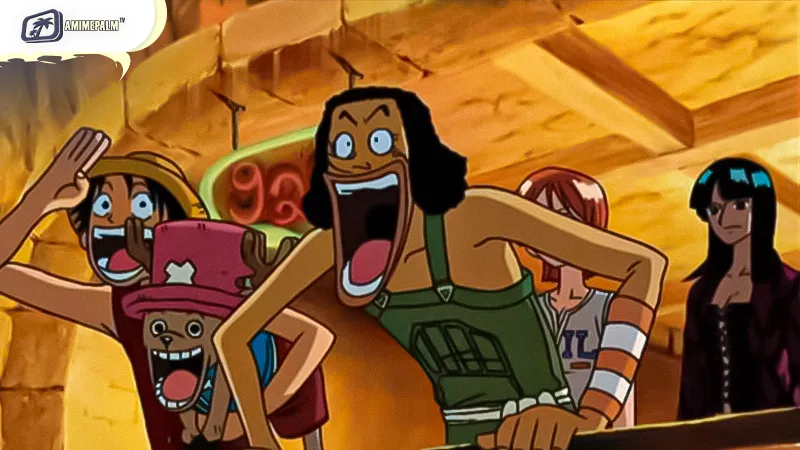
As the Straw Hats set sail, they soon realize the race itself is a trap. Beneath the excitement lies betrayal, loss, and a tangled web of revenge. By the time the truth surfaces, this so-called adventure becomes a desperate fight for survival — and redemption.
Detailed Review: One Piece The Movie 4 (2003)
A Classic Adventure That Feels Like Peak One Piece
Unlike many early anime films that feel detached from their parent series, One Piece Movie 4: Dead End Adventure fits seamlessly into the One Piece world. Everything — from the lively pirate town buzzing with hidden codes and shady deals, to the massive underground docks teeming with ships — feels authentic.
The atmosphere screams “classic One Piece.” No convoluted power systems or apocalyptic stakes, just pure adventure. It reminds us why the series resonated in the first place: because freedom, friendship, and courage are enough.
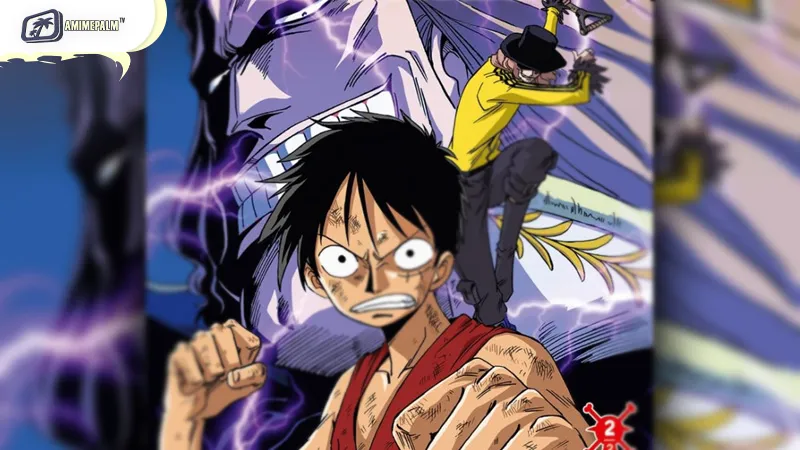
Even the pacing feels familiar — bursts of chaos, heartwarming quiet moments, and that unpredictable Luffy energy that keeps the story moving forward.
Luffy’s Conviction and the Emotional Core
At the heart of One Piece Movie 4 Dead End Adventure lies Luffy’s unshakeable moral compass. He’s the same cheerful fool we know — laughing in the face of danger, eating mid-battle, and dragging his crew into trouble — but when he faces injustice, his tone shifts.
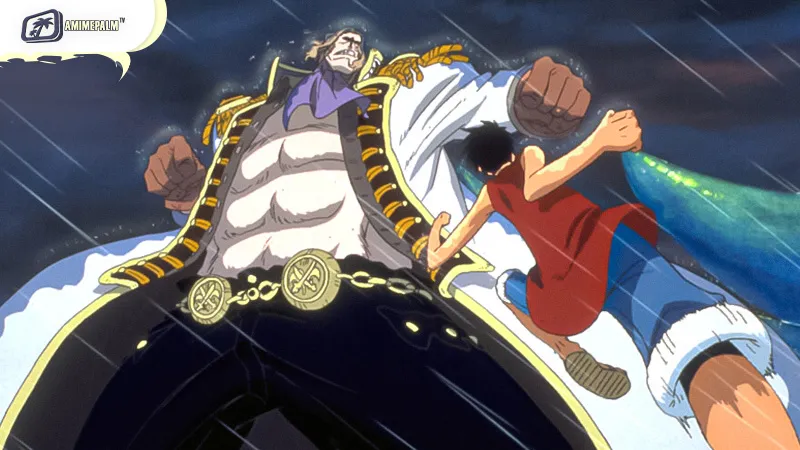
Gasparde’s cruelty, his contempt for weak pirates, and his disregard for life ignite Luffy’s righteous anger. It’s the side of Luffy that makes him more than just a comedic hero — the one who stands up for the downtrodden, not for glory, but because it’s right.
The climactic duel between Luffy and Gasparde reflects this perfectly. Their fight isn’t just fists and Devil Fruit powers — it’s ideology versus ideology: freedom versus domination.
Supporting Characters That Steal the Show
While the Straw Hats remain the emotional core, the One Piece movie 4 characters introduced here are some of the best-written in the franchise’s film history.
Shuraiya Bascud starts as a cold bounty hunter known as the “Pirate Executioner.” His grudge against Gasparde is fueled by tragedy — Gasparde destroyed his family and left him haunted by revenge. What begins as a simple rivalry evolves into a complex portrayal of pain and redemption.
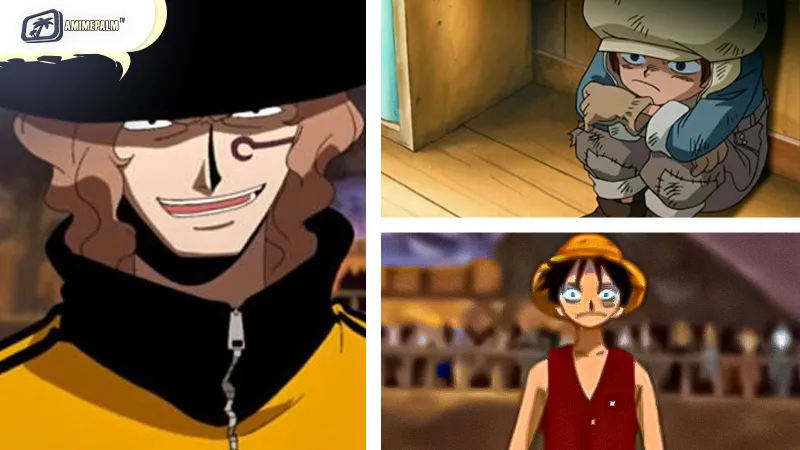
Then comes Anaguma (Badger), a scrappy stowaway who hides a heartbreaking secret. She’s actually Adelle, Shuraiya’s long-lost sister, disguised as a boy. Their reunion hits hard — not because it’s a twist, but because it feels earned. Their shared trauma humanizes both characters and ties them beautifully into the Straw Hats’ own theme: you keep living, no matter how cruel the world becomes.
Together, Shuraiya and Adelle form the emotional anchor of One Piece: Dead End Adventure — grounding its action in humanity.
Gasparde – The Villain You Love to Hate
The antagonist General Gasparde is simple, but effective. A fallen Marine who turned pirate out of spite, Gasparde embodies everything the Straw Hats oppose. His Devil Fruit — the Ame Ame no Mi (Candy-Candy Fruit) — allows him to turn his body into sticky, candy-like goop, a surprisingly creative ability that adds flair to the battles.
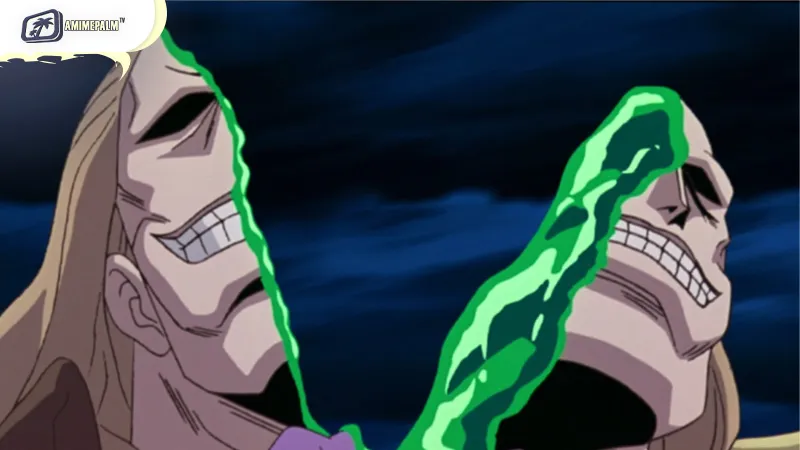
He’s arrogant, calculating, and unapologetically cruel. Yet what makes him compelling isn’t his power — it’s his ideology. Gasparde sees the sea as a battlefield where only the strong survive. Luffy, on the other hand, believes the sea belongs to those with dreams.
Their clash feels poetic — two pirates with opposite visions of freedom.
Animation and Visuals – Toei’s Underrated Gem
Visually, One Piece movie 4 is a leap forward for its era. Toei’s animation in 2003 wasn’t at today’s standards, but this movie shows remarkable energy. The chase scenes through raging seas, the sweeping camera angles during fights, and the barroom brawls all capture the spirit of classic shōnen adventure.
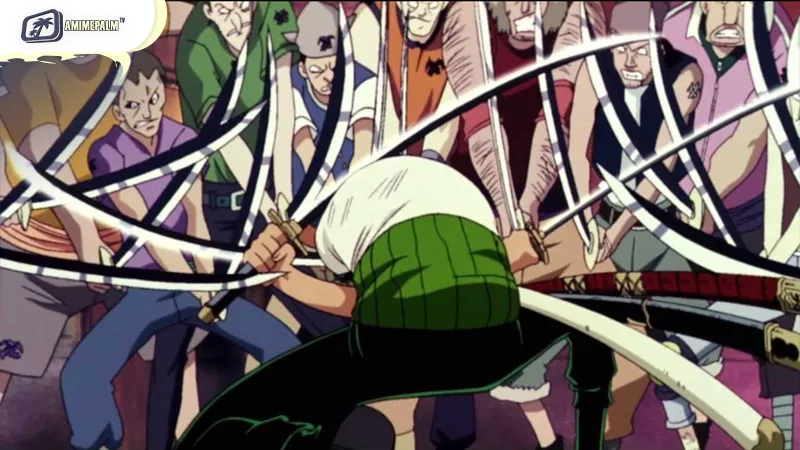
The color palette feels warm and gritty — deep blues for the ocean, sunset golds for taverns, and glowing reds for battle scenes. It looks cinematic, not episodic.
The soundtrack complements it perfectly. Orchestral pieces swell with emotion, balancing intensity with melancholy. The sound design during the final duel — crashing waves, the clang of fists, Luffy’s strained breathing — immerses you fully.
Weak Points and Missed Opportunities
Despite being one of the strongest early One Piece films, One Piece Movie 4: Dead End Adventure isn’t flawless.
- The Dead End Race Fades Too Fast: The pirate race, the film’s central hook, wraps up too early. We see glimpses of rival ships and chaos, but the focus shifts quickly to Gasparde’s plot.
- Limited Screen Time for Rivals: The race setup hints at a massive pirate showdown, yet most competing crews are barely shown. Expanding those interactions could have made the world feel even bigger.
- Predictable Plot Beats: The revenge arc and the lost-sibling reveal are well executed but not groundbreaking.
- Animation Limitations: While strong for 2003, certain shots — especially crowd scenes — reveal Toei’s budget constraints.
Themes and Symbolism
At its core, one piece dead end adventure movie is about survival — not just physical, but emotional. It asks: What keeps you moving when life takes everything from you? For Shuraiya, it’s vengeance. For Adelle, it’s hope. For Luffy, it’s belief in freedom. Each character mirrors a different response to suffering, and by the end, all three find meaning through connection.
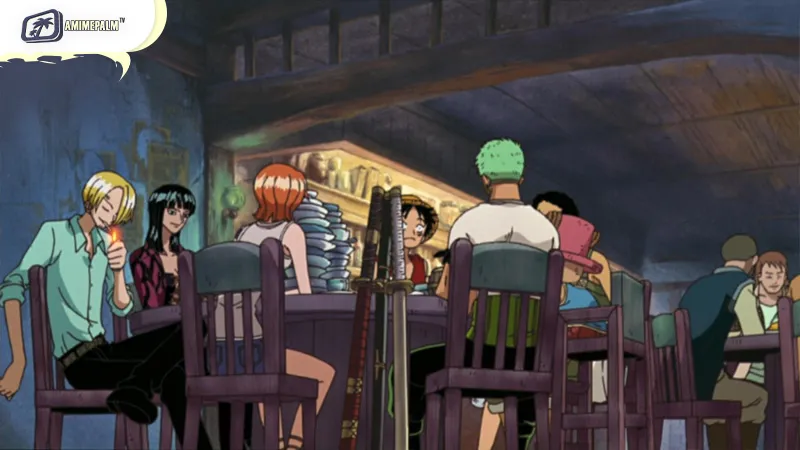
The “Dead End” isn’t really a dead end — it’s a metaphor for despair, and how people escape it by choosing to live. The film also quietly reinforces One Piece’s biggest message: strength without compassion is empty. Gasparde’s downfall isn’t caused by power, but by arrogance — the belief that strength defines worth.
Conclusion
One Piece: Dead End Adventure may not be part of the official canon, but it embodies everything that makes the series timeless — adventure, heart, and conviction. It’s a throwback to the pre–time skip days when friendship and dreams were enough to carry a story. With rich character moments, heartfelt emotion, and a villain worth punching, this film reminds us why we fell in love with One Piece in the first place. It doesn’t try to be grand — just honest. And that sincerity makes One Piece Movie 4 an unforgettable ride worth revisiting.
Final Rating: 8.5 / 10
