
For nearly four decades, Final Fantasy has shaped epic storytelling – not only in games, but also through animation. From anime series and OVAs to cinematic movies, the world of final fantasy anime is diverse, ambitious, and often debated. This ranked guide on AnimePalm explores which Final Fantasy anime and movies are truly worth your time, helping both longtime fans and newcomers decide where to start before diving deeper into the list.
What is Final Fantasy Anime?
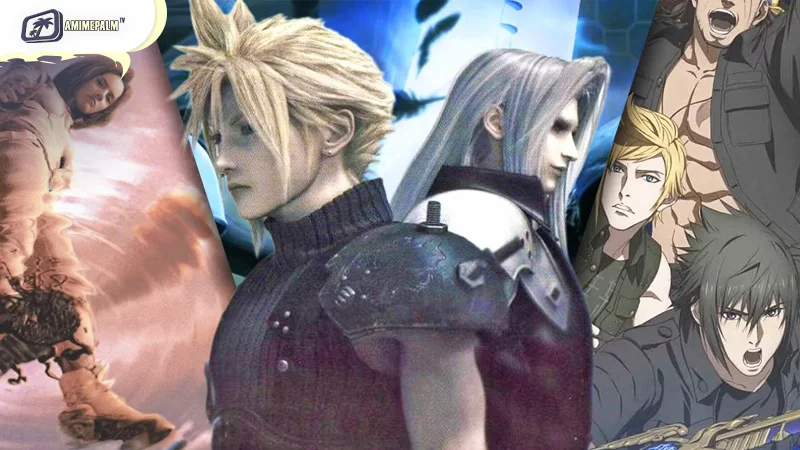
At its core, final fantasy anime refers to all officially licensed animated productions created under the Final Fantasy brand. Unlike franchises with a single, unified anime canon, Final Fantasy approaches animation as an extension of individual worlds rather than one continuous storyline.
This means that the Final Fantasy anime catalog includes several different formats:
- Anime-style movies directly tied to specific games
- Short-form OVAs that expand character backstories
- A full standalone anime series with an original plot
- Experimental animated projects created for promotion
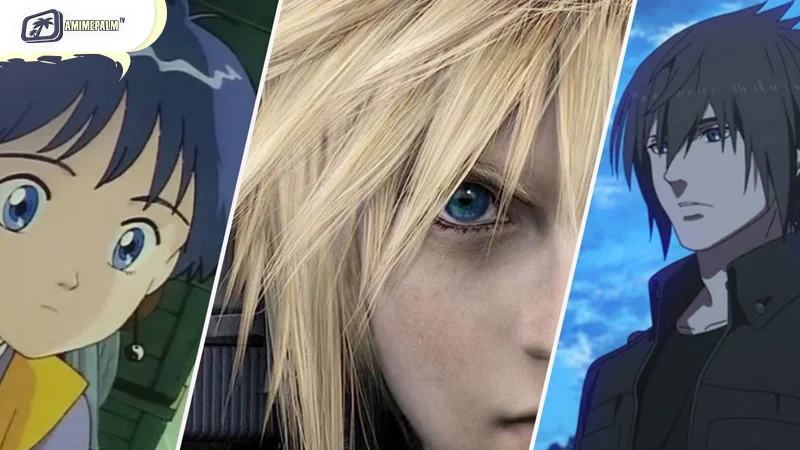
What unites these works is not a shared timeline, but shared DNA: familiar themes of crystal-bound worlds, fate versus free will, summoned beings, advanced magic, and emotionally driven characters.
Top Final Fantasy Anime & Animated Movies
Below are the most notable and worthwhile entries in the final fantasy anime catalog. These titles stand out thanks to their production quality, narrative impact, and lasting influence on the franchise’s animated legacy.
#1 – Final Fantasy VII: Advent Children
- Released: 2005
- Episodes: Movie (Complete version: extended cut)
- Director: Tetsuya Nomura
Set two years after the events of Final Fantasy VII, Final Fantasy VII: Advent Children follows Cloud and his allies as they confront the lingering consequences of Sephiroth’s legacy. Visually, the film was groundbreaking for its time, delivering high-speed combat, detailed character models, and iconic musical themes.
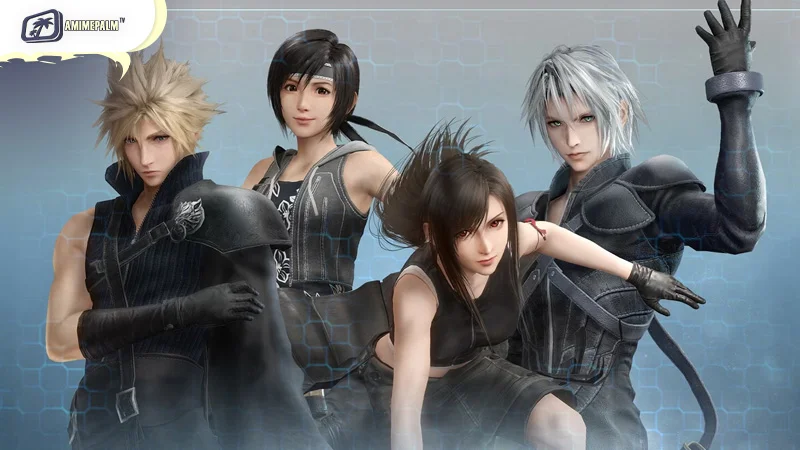
While its story can feel dense and emotionally restrained – especially for newcomers – it rewards longtime fans with powerful moments of closure and nostalgia. As a final fantasy anime movie, Advent Children remains the most recognizable and influential animated adaptation in the franchise, often considered essential viewing for FFVII fans.
#2 – Final Fantasy: Unlimited
- Released: 2001
- Episodes: 25 (planned 52)
- Director: Mahiro Maeda
Final Fantasy: Unlimited is the only full-length final fantasy anime series not directly adapted from a game. The story follows twins Ai and Yu as they enter a parallel world and meet Kaze, a mysterious gunslinger who summons creatures through a magical firearm.
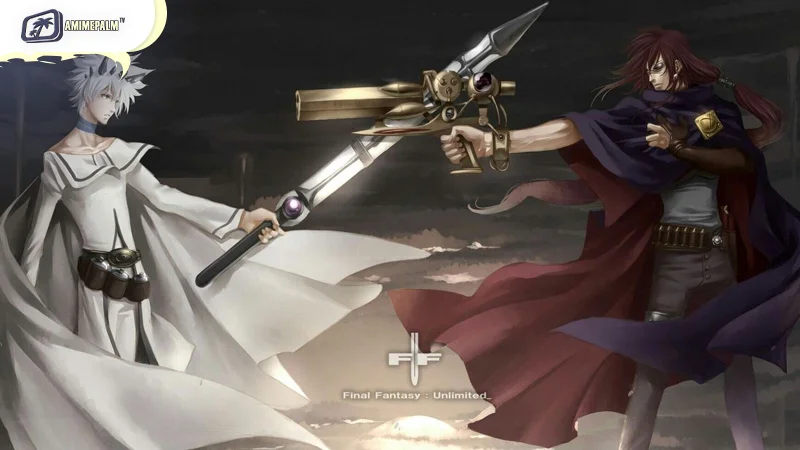
Though cancelled before completion, the series is praised for its atmospheric tone, experimental storytelling, and bold departure from established canon. It may not resemble traditional Final Fantasy narratives, but its ambition and originality earn it a unique – and respected – place in the franchise’s animated history.
#3 – Kingsglaive: Final Fantasy XV
- Released: 2016
- Episodes: Movie
- Director: Takeshi Nozue
Serving as a narrative prologue to Final Fantasy XV, Kingsglaive: Final Fantasy XV focuses on Nyx Ulric and the elite soldiers defending the kingdom of Lucis. The film excels in large-scale action, political intrigue, and visual spectacle, supported by high-profile voice performances.
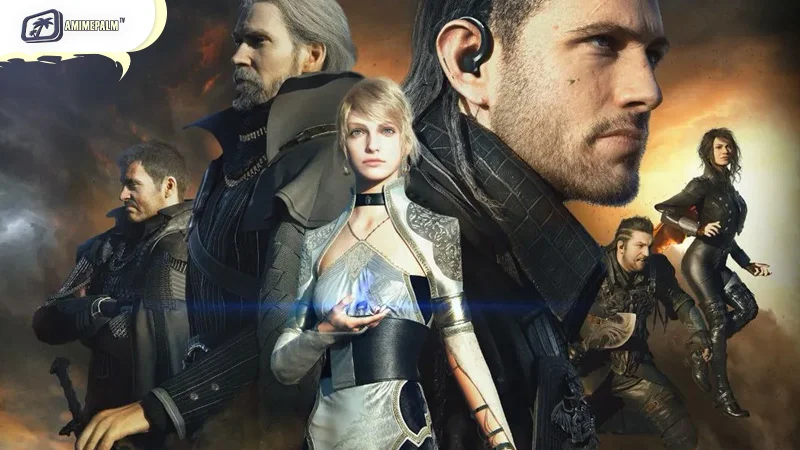
However, its heavy reliance on lore and terminology can feel overwhelming without prior context. As a final fantasy anime movie, Kingsglaive works best when paired with the game itself, offering valuable backstory but standing less confidently as a self-contained experience.
#4 – Brotherhood: Final Fantasy XV
- Released: 2016
- Episodes: 5 main episodes (+ special episodes)
- Director: Soichi Masui
Brotherhood: Final Fantasy XV focuses on the emotional core of FF15 – friendship. Rather than epic battles, this anime highlights formative moments that shaped Noctis, Prompto, Ignis, and Gladiolus before their journey begins. Each episode centers on character backstory, making the relationships in the game feel more authentic and grounded.
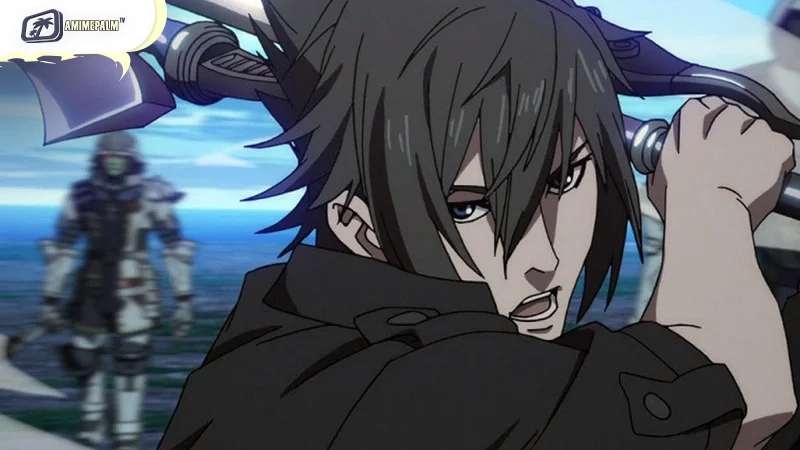
As part of the final fantasy anime series lineup, Brotherhood succeeds through intimacy and warmth. It may feel light on plot, but its character-driven storytelling makes it essential viewing for fans who value emotional depth over spectacle.
#5 – Final Fantasy: The Spirits Within
- Released: 2001
- Episodes: Movie
- Director: Hironobu Sakaguchi
Often debated when discussing is Final Fantasy anime, Final Fantasy: The Spirits Within is a fully CGI science-fiction film set in an original universe. It tells a serious, philosophical story about humanity, extinction, and unseen forces, far removed from familiar crystals or summons.
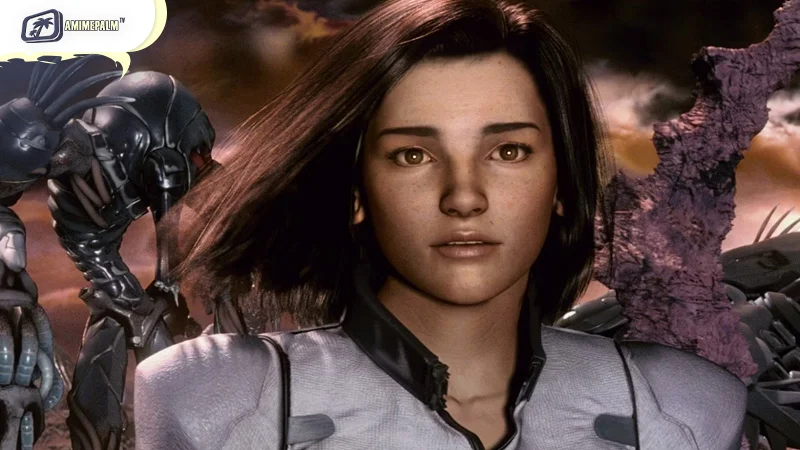
Visually revolutionary for its time, the film struggled to connect with fans expecting traditional Final Fantasy elements. While historically important, it feels more like an experimental sci-fi project than a true final fantasy anime movie, making it a mixed but fascinating watch.
#6 – Last Order: Final Fantasy VII
- Released: 2005
- Episodes: 1 (OVA)
- Director: Morio Asaka
Last Order: Final Fantasy VII revisits the pivotal Nibelheim Incident, focusing on Zack, Cloud, and Sephiroth. At the time of release, it offered fans a rare animated look at one of the franchise’s most important moments. The animation is sharp and cinematic, capturing the tragedy effectively.
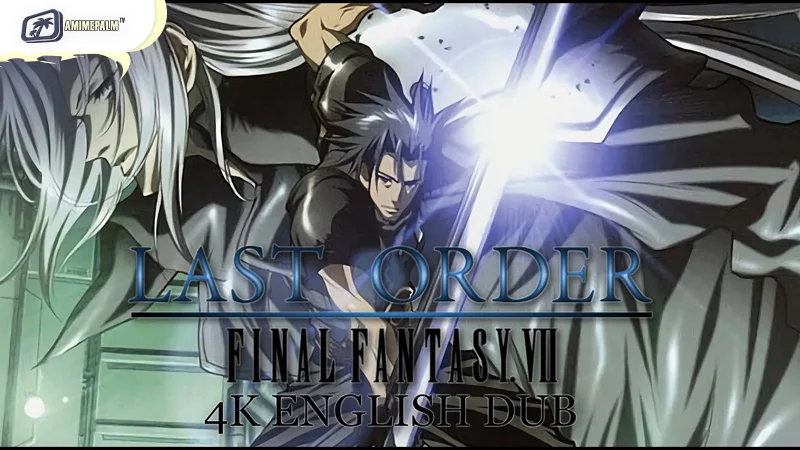
However, later releases – especially Crisis Core – provide a more complete and emotionally resonant version of this story. Today, Last Order serves mainly as a supplementary final fantasy anime experience rather than a definitive retelling.
#7 – Final Fantasy VII: On the Way to a Smile – Episode Denzel
- Released: 2009
- Episodes: 1 (OVA – ~28 minutes)
- Director: Shinji Ishihira
This short OVA adapts one chapter from the On the Way to a Smile novella, focusing on Denzel, a young survivor of Midgar’s Sector 7 collapse. Rather than epic battles, the story emphasizes trauma, recovery, and the lingering scars left by Meteorfall.
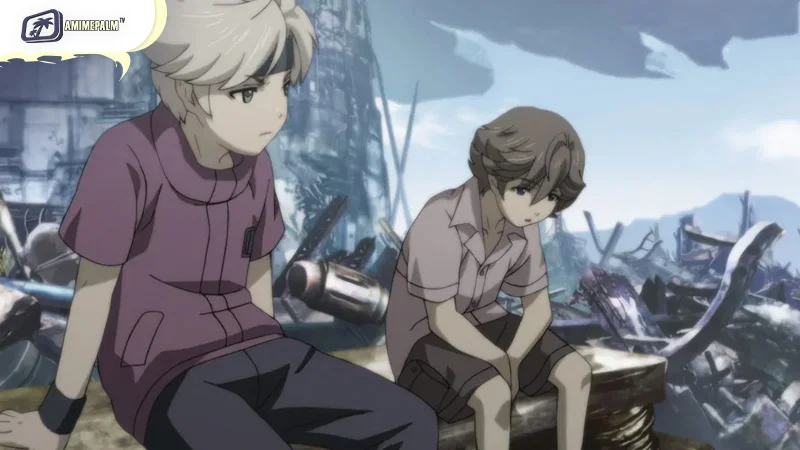
As final fantasy anime, it is subtle and emotionally restrained. While Denzel himself may not be the most compelling protagonist, the episode adds valuable context to Advent Children and deepens the human cost of FFVII’s events. Best viewed as a companion piece rather than a standalone highlight.
#8 – Final Fantasy XV: Episode Ardyn – Prologue
- Released: 2019
- Episodes: 1 (Anime Special – ~13 minutes)
- Director: Takeshi Nozue
Created as a narrative lead-in to the Episode Ardyn DLC, this anime prologue explores Ardyn’s origins 2,000 years before Final Fantasy XV. It reframes him from a one-note villain into a tragic figure shaped by betrayal and fate.
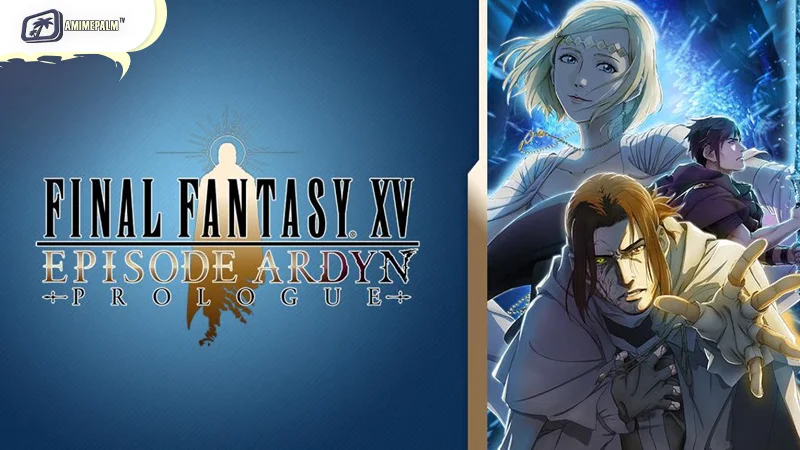
Despite its short runtime, this entry is one of the most effective final fantasy anime projects in terms of storytelling efficiency. It delivers emotional clarity, strengthens the overall FF15 narrative, and stands as a strong example of how anime can meaningfully expand game lore.
#9 – Final Fantasy XV: Dawn Trailer
- Released: 2016
- Episodes: Short animated trailer
- Director: Square Enix Visual Works
The Dawn Trailer (Anime Cut) is a short promotional animation showing Noctis’ childhood and his bond with King Regis. Though brief, it delivers strong emotional impact through soft anime visuals and restrained dialogue.
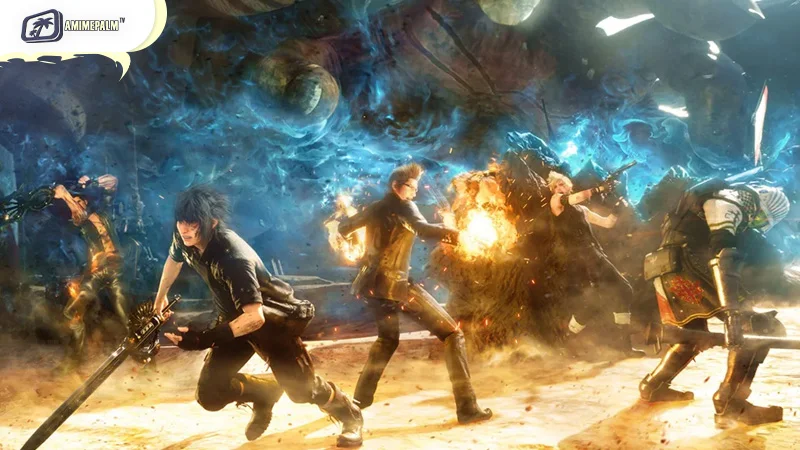
While not a full final fantasy anime series or movie, this trailer is often remembered more fondly than some longer adaptations. It demonstrates how even minimal runtime can effectively convey tone, character, and thematic weight within the Final Fantasy universe.
#10 – Final Fantasy: Legend of the Crystals
- Released: 1994
- Episodes: 4 (OVA)
- Director: Rintaro
Set 200 years after Final Fantasy V, Final Fantasy: Legend of the Crystals follows Prettz and Linaly as they attempt to protect the last remaining crystal. From a technical standpoint, the animation is impressive for its era, showcasing Madhouse’s strong 90s production quality.
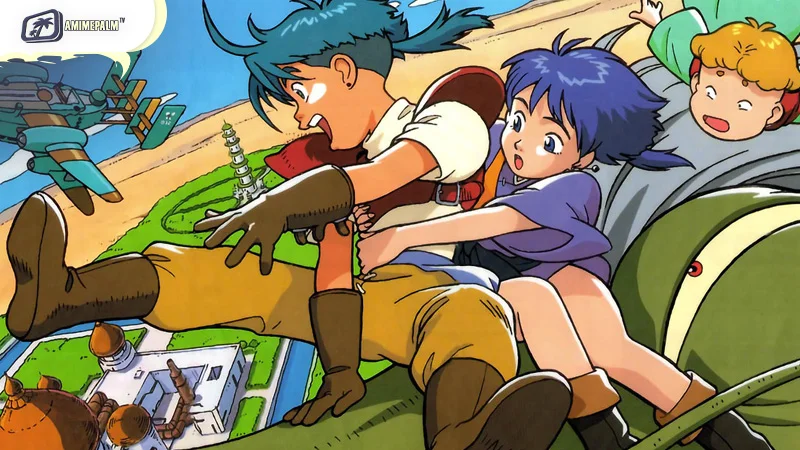
However, inconsistent tone, excessive fan service, and loose connections to its source material make it the weakest entry in the final fantasy anime lineup. Today, it is primarily of interest to completionists and longtime fans exploring the franchise’s early experiments in animation.
FAQ – Final Fantasy Anime Explained
Is Final Fantasy originally an anime or a game?
Final Fantasy began as a video game franchise in 1987, created by Square (now Square Enix). The anime and animated movies came much later as extensions of the games, designed to expand lore, characters, and world-building beyond gameplay.
How many Final Fantasy anime series exist?
There is only one full-length final fantasy anime series: Final Fantasy: Unlimited. The rest of the animated catalog consists of movies, OVAs, short anime specials, and promotional animations tied to specific games.
Are Final Fantasy movies considered anime?
Some are, some are debated. Anime-style productions like Brotherhood: Final Fantasy XV clearly fit the category, while CGI films such as Advent Children or Kingsglaive are often grouped under final fantasy anime movie due to their animation style, structure, and audience – even if they lean heavily into CGI.
Do I need to play the games before watching?
Not always. Standalone entries like Final Fantasy: Unlimited can be watched independently. However, films such as Advent Children or Kingsglaive are far more rewarding if you’re familiar with their respective games.
Which Final Fantasy anime is best for beginners?
For newcomers, Final Fantasy VII: Advent Children offers the most iconic experience, while Brotherhood: Final Fantasy XV is an accessible, character-driven entry that requires minimal prior knowledge.
Conclusion
The world of final fantasy anime is diverse, experimental, and deeply tied to the franchise’s identity. From cinematic movies that continue iconic stories to short OVAs and standalone anime series, each project offers a different lens on what Final Fantasy can be beyond games. Not every title is essential, but the right choices can significantly enrich your understanding of the universe and its characters.
Whether you’re revisiting beloved worlds or starting fresh, this ranked guide helps you decide what’s truly worth watching. Discover more curated anime guides and Final Fantasy insights at AnimePalm.
