
Bright stage lights. Sunflowers swaying under a golden sky. A group of young performers standing between childhood dreams and adult reality. Grow Up Show: Himawari no Circus-dan steps into the spotlight with heartfelt drama and quiet emotional punches.
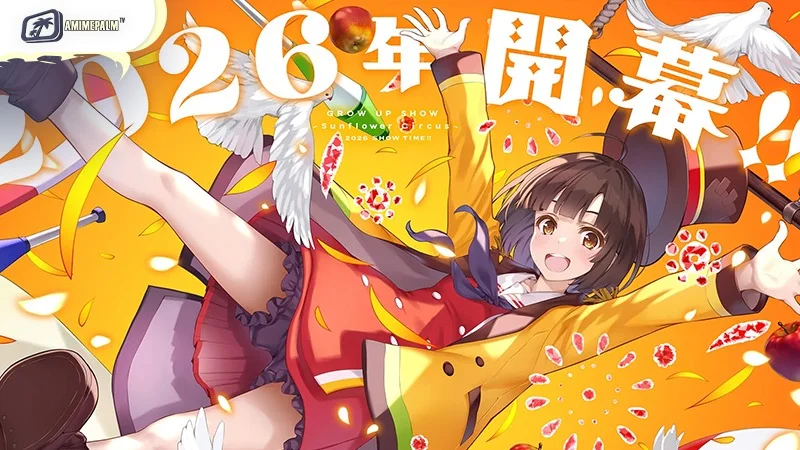
The circus isn’t just a setting but a symbol of youth on display. If you love character-driven anime with tender growth, subtle tension, and that bittersweet “we’re not kids anymore” feeling, this one hits softly but deeply.
What Is Grow Up Show: Himawari no Circus-dan?
Grow Up Show: Himawari no circus dan is an original Japanese anime project centered on youth, performance, and emotional growth. Unlike adaptations from manga or light novels, this title is presented as an original work, which gives the production team creative flexibility.
Here is a quick reference summary:
- Title: Grow Up Show: Himawari no Circus-dan
- Format: TV anime
- Type: Original anime project
- Genre: Coming-of-age, drama
- Studio: A-1 Pictures
- Source Material: Original (not based on manga)
- Announcement: July 2025
- Planned Release: 2026 (TV broadcast)
This structure places Grow Up Show anime in the category of modern original coming-of-age series, similar in tone to recent youth-driven character dramas.
Official Synopsis: The story follows a group of young performers connected to a traveling circus known as the Sunflower Circus. Each member faces personal struggles related to identity, dreams, and the fear of growing older. As performances continue, tensions rise between preserving childhood innocence and confronting adult realities.
The central conflict revolves around whether the characters will cling to the safety of the stage or step forward into uncertain futures. The circus becomes both a literal workplace and a symbolic space where emotional growth unfolds.
What Is Exactly Grow Up Show About?
To understand Grow Up Show, we must move beyond the basic synopsis and look at how the narrative is structured.
First, the “Grow Up Show sunflower circus” setting is not just decorative. The circus works as a metaphor. A circus is a place of performance, masks, and spectacle. The sunflower, in Japanese symbolism, often represents brightness, youth, and hope.
By combining these two images, the anime creates contrast. While the bright sunflower suggests optimism, the circus stage implies illusion and pressure. This tension shapes the entire narrative tone. Characters are always “performing,” not only for audiences but also for each other.
So what does it mean by “growing up”? In discussions online, fans often focus on ambition. However, this anime frames growth as emotional confrontation. Growing up means accepting change, losing certain illusions, and taking responsibility for choices.
The story avoids exaggerated drama. Instead, it uses small interactions, quiet scenes, and symbolic visuals to show transformation.
Who Are the Main Characters in Grow Up Show?
At its core, Grow Up Show Himawari no circus dan runs on an ensemble structure: a pair of central leads who set the emotional direction, a supporting troupe that adds contrast and pressure, and antagonistic forces that come from circumstance rather than a single “villain.”
As of the latest official updates, Japanese voice actors have not been announced yet, so we only include confirmed details below.
Protagonists
The first character reveal centers on two key figures: one is framed as a “circus genius,” and the other as a “headline aerial trapeze” chasing a legend. This pairing strongly suggests they are the story’s main axis: different styles, different goals, one stage.
Tsurumaki Mizuka(鶴巻瑞佳 / つるまき みずか)
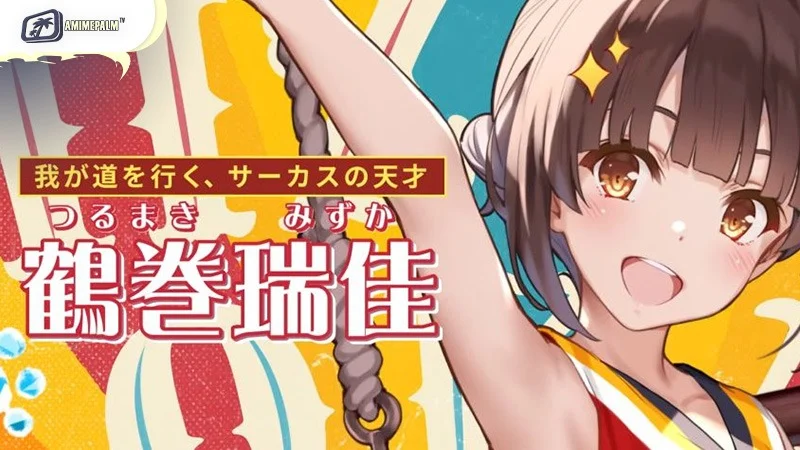
Mizuka reads like the spark, naturally gifted, instinct-driven, and hard to pin down. In a coming-of-age setup, that kind of talent can be both a superpower and a trap: it wins applause, but it can hide emotional blind spots. Expect her to challenge what “growing up” even means inside the troupe.
Kawasumi Ouka(川澄桜翔 / かわすみ おうか)
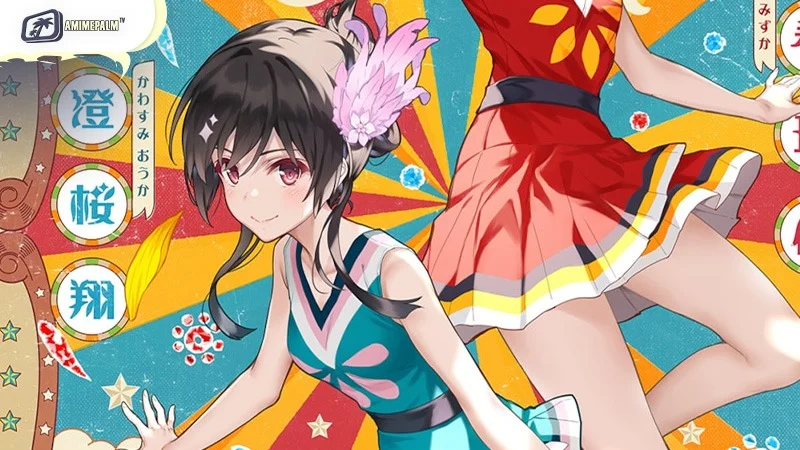
Ouka is positioned as the “ace” type. She’s someone defined by skill, discipline, and a personal standard that never sits still. The “legend” angle suggests a motivation that can pull her forward… or push her too hard. She’s a natural engine for conflict because the circus lifestyle already turns life into performance.
Supporting Characters
The remaining reveals expand the troupe into distinct “growth styles”: the clumsy learner, the stylish show-off, the twin duo with opposing temperaments, and the senior/foreign performer pair that hints at hierarchy and pride within the circus.
Agano Imari(吾野伊万里 / あがの いまり)
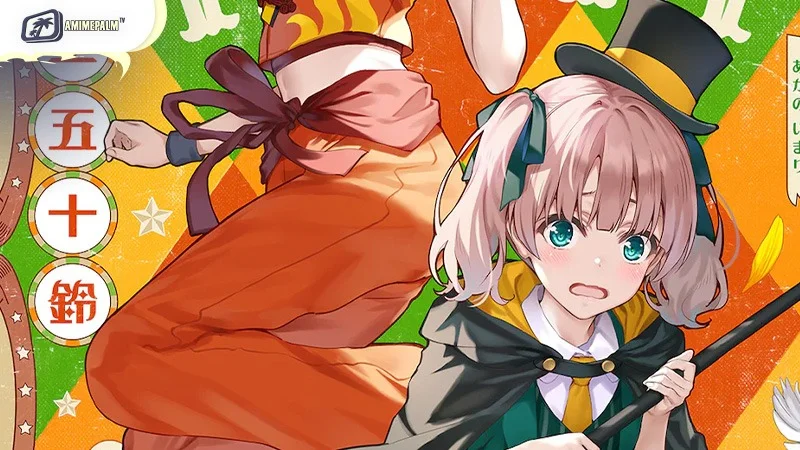
Imari is the kind of character who makes the theme land without speeches. Being “clumsy” in a performance world means mistakes are public. That’s perfect fuel for a growth story about confidence, self-worth, and learning to stand in the spotlight without shrinking.
Ikazuchi Isuzu(五十土五十鈴 / いかづち いすず)
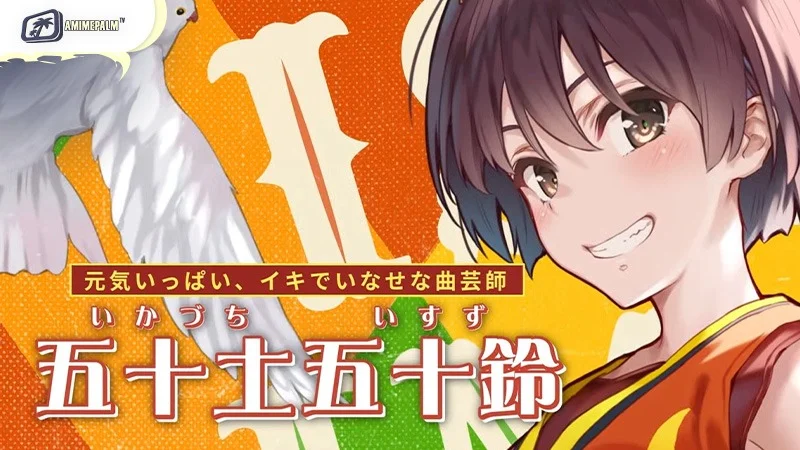
Isuzu looks like the momentum character who keeps the troupe lively and moving. In a show about “growing up,” that energy usually gets tested: what happens when you can’t just laugh it off? She’s a strong candidate for emotional turning points.
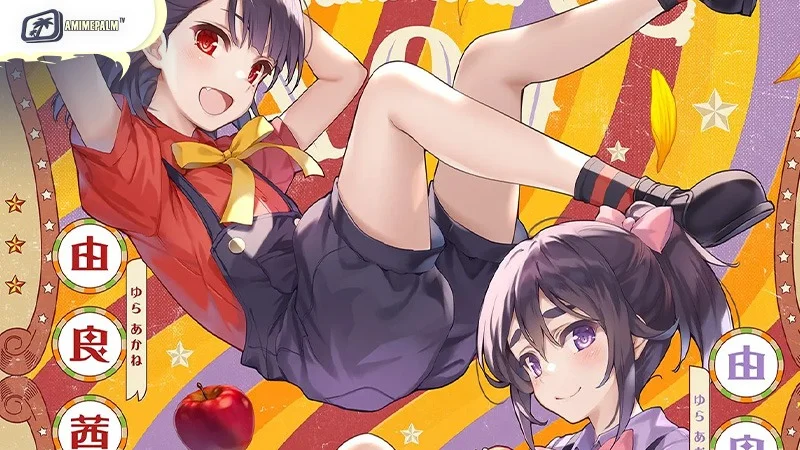
Yura Aoi(由良 葵 / ゆら あおい)
Aoi is officially described as an easygoing older sister and a logical twin juggler. She brings “mind” energy: planning, control, restraint. That’s a great counterbalance in a circus where everything looks spontaneous. Her growth angle likely ties to loosening control or choosing herself over the role she’s expected to play.
Yura Akane(由良 茜 / ゆら あかね)
Yura is the feisty younger sister and the instinctive twin juggler with Aoi. She is “heart” energy. She has fast reactions, strong feelings, and quick friction. Paired with Aoi, their dynamic can naturally explore identity: growing up as an individual while still being “the twins” to everyone else.
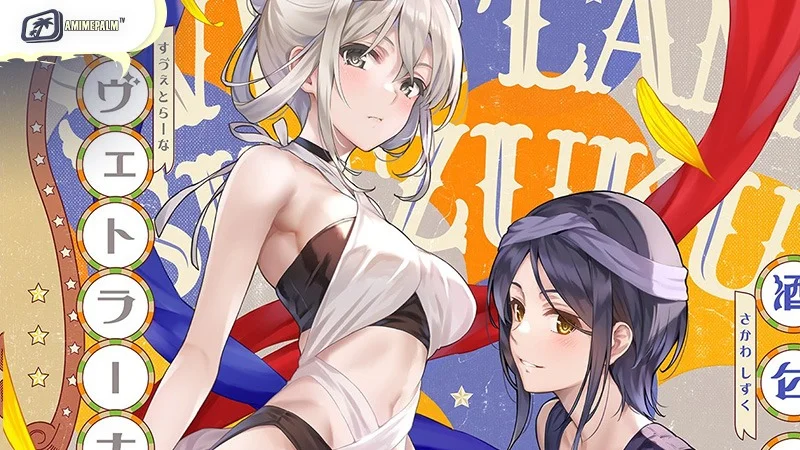
Sakawa Shizuku(酒匂 雫 / さかわ しずく)
Shizuku is known as a prince who dances through the air. He also introduces hierarchy: a “reliable senior” often becomes both mentor and measuring stick. He’s someone the younger cast admires, resents, or tries to surpass. That’s classic coming-of-age pressure, circus edition.
Svetlana(スヴェトラーナ)
Svetlana is depicted as a princess who dances with silks. Her framing screams “controlled intensity.” Pride + hidden passion is a built-in arc: when does the mask slip, and what does it cost on stage and off stage? She also expands the troupe’s cultural texture, which can widen the story’s emotional vocabulary.
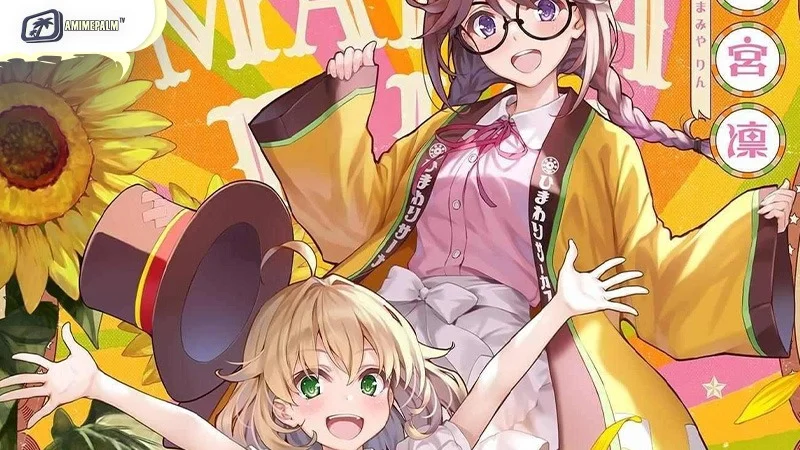
Mamiya Rin(間宮 凛 / まみや りん)
Rin acts as a backstage backbone, handling accounting, medical, and cooking. She is the realism anchor. When a series is about performance, the person who keeps everyone alive behind the curtain becomes incredibly important. She grounds the story in responsibility, one of the most real “growing up” themes there is.
Maria(麻利亜 / まりあ)
Maria is a small troupe leader of a poor circus who uses strong authority. She brings friction and stakes. A “poor circus” implies survival pressure, and “strong authority” implies hard decisions. She can drive conflicts that feel painfully real: money, scheduling, risk, and the emotional cost of keeping the show alive.
Antagonistic Forces
Grow Up Show doesn’t need a mustache-twirling villain to create tension. The story’s strongest opposition is baked into the setting: time, expectations, and the pressure to perform while figuring out who you are. In a sunflower circus, youth is part of the product, so growing up becomes both personal and public.
Animation and Art Style Analyzed
The visual execution of Grow Up Show anime plays a significant role in its emotional effect. The color palette often emphasizes warm yellows and soft lighting, echoing sunflower imagery. Night scenes use dim tones to reflect uncertainty. This visual duality reinforces thematic tension:
- Bright scenes = hope and nostalgia.
- Muted scenes = doubt and fear.
Lighting choices often isolate characters in spotlight-like framing, reminding us of the circus stage metaphor. In addition, character designs balance realism and softness. Facial expressions are readable, which supports emotional storytelling.
We notice subtle eye movements during serious dialogue, body language shifts during confrontations, and controlled exaggeration during performances. This balance prevents melodrama.
In terms of soundtrack effects, the musical direction supports the coming-of-age theme. Soft orchestral elements dominate reflective scenes, while upbeat tones highlight circus performances. Opening and ending themes emphasize transition. The music does not overpower; it guides the mood.
How Grow Up Show Compares to Similar Anime
Coming-of-age anime often blends performance, friendship, and emotional turning points. To understand where Grow Up Show stands, we can compare it to three established titles that explore similar territory but execute it differently.
Each of these series approaches growth through performance, ambition, or emotional confrontation. Yet their storytelling mechanics vary significantly.
| Aspect | Grow Up Show | Shoujo☆Kageki Revue Starlight | A Place Further than the Universe | Your Lie in April |
| Tone | Reflective, symbolic | Theatrical, surreal | Inspirational, grounded | Melodramatic, emotional |
| Core Theme | Identity & responsibility | Rivalry & self-worth | Courage & chasing dreams | Trauma & emotional healing |
| Emotional Intensity | Gradual, restrained | Explosive confrontations | Steady motivational build | High emotional peaks |
| Setting | Circus troupe | Performing arts academy | Expedition journey | Classical music world |
| Conflict Type | Internal & thematic | Direct character duels | External challenge-driven | Personal trauma vs talent |
So what makes Grow Up Show different? After comparing it to these titles, we can define its identity more clearly. It uses the circus consistently as thematic architecture, not just background. It also avoids villain-driven storytelling and prefers gradual emotional realism over shock value. We can see it center on group dynamics rather than rivalry or romance.
Its strength lies in cohesion. The metaphor of performance runs through narrative, visuals, and character arcs without feeling forced.
However, some limitations make it feel weaker. Compared to the anime above, it lacks the theatrical spectacle of Revue Starlight, adventurous momentum of A Place Further than the Universe, and emotional crescendo of Your Lie in April.
For viewers who prefer fast narrative escalation or dramatic confrontations, Grow Up Show discussions may highlight its slower pacing.
Who Should Watch Grow Up Show?
Choosing whether to watch Grow Up Show depends on preference. We recommend this anime for:
- Teens and adults interested in emotional storytelling.
- Viewers who enjoy metaphor-heavy narratives.
- Fans of reflective drama.
- Audiences who appreciate visual symbolism.
If you enjoy character-driven plots more than high-stakes battles, this anime may resonate strongly. However, you might not enjoy it if you are seeking action-packed sequences, preferring fast pacing, or expecting clear heroes and villains.
Final Verdict – Is Grow Up Show Worth Watching?
From our review perspective, Grow Up Show succeeds in delivering a thoughtful coming-of-age narrative with symbolic depth and consistent thematic focus. It stands out through its sunflower circus metaphor and restrained emotional pacing.
We rate it based on four criteria:
- Story Coherence: 8/10
- Character Depth: 8.5/10
- Visual Identity: 8/10
- Emotional Impact: 8/10
Overall Score: 8.1/10
If you value emotional growth stories with a symbolic atmosphere, this title offers meaningful rewards. While it may feel understated for viewers seeking spectacle, you can check out the latest reviews of similar anime at AnimePalm to find your next favorite journey.
