
A genetically engineered “humanzee” trying to survive high school shouldn’t feel this intense, yet The Darwin Incident turns that wild premise into something disturbingly real. Activists clash, cameras roll, and every quiet scene feels loaded with meaning.
This isn’t flashy sci-fi. It’s slow-burn tension, moral gray zones, and identity drama that creeps under your skin. The more it unfolds, the harder it is to look away, and honestly, that’s what makes it unforgettable.
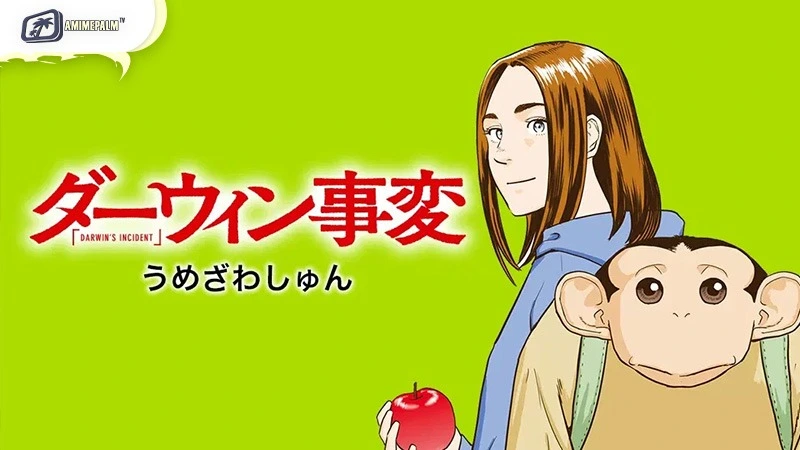
What Is The Darwin Incident?
Before we evaluate quality, we need a clear reference overview. Below is essential information about the series, including its manga origins and anime adaptation.
- English Title: The Darwin Incident
- Original Japanese Title: Darwin Jihen (ダーウィン事変)
- Author & Illustrator: Shun Umezawa
- Manga Serialization Start: 2020 (Monthly Afternoon, Kodansha)
- Anime Official Premiere Date: January 7, 2026 (on TV Tokyo and its affiliate networks in Japan)
- Studio & Production: Bellnox Films (directed by Naokatsu Tsuda)
- Streaming: Amazon Prime Video
- Demographic: Seinen
- Genres: Sci-fi, Political Thriller, Drama
Official Teaser Visuals:
The Darwin Incident is positioned as a socially charged seinen title with clear political undertones and science-fiction framing. In short, it is not a light entertainment series. It is built around moral tension and identity conflict.
The Darwin Incident Plot Overview (Spoiler-Free)
At its core, The Darwin Incident follows Charlie, a “humanzee”, or a genetically engineered human-chimpanzee hybrid, rescued from an extremist animal rights group.
Raised by human adoptive parents, Charlie attempts to live a normal teenage life. However, his existence becomes political. The Animal Liberation Front (ALF), a radical activist group, sees him as a symbol. Media outlets treat him as a spectacle. Society treats him as an anomaly.
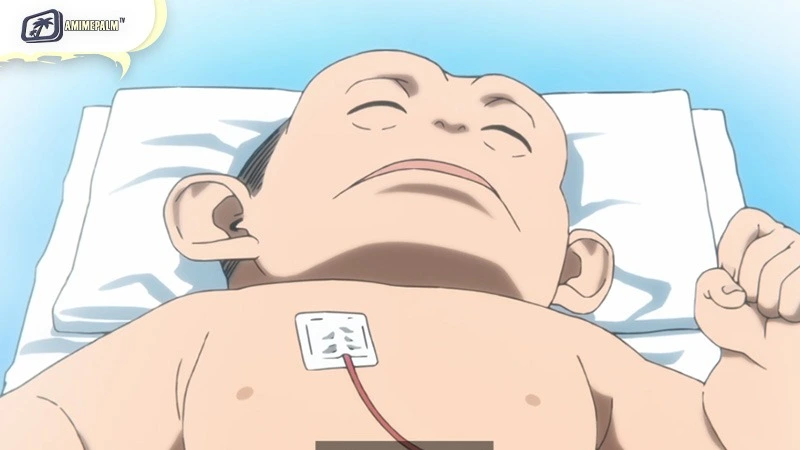
Such a narrative leads us to explore human experimentation ethics, animal rights extremism, social polarization, identity, and belonging. The tension does not rely on fantasy spectacle. Instead, it comes from uncomfortable realism.
The first episode establishes this tone immediately, presenting Charlie as both victim and symbol. The story stays grounded, even when its premise sounds outrageous.
The Darwin Incident Characters
This section focuses on psychology, symbolism, and narrative function rather than retelling events.
Charlie – The Humanzee Protagonist
Charlie (voiced by Atsumi Tanezaki) is a genetically engineered hybrid: part human, part chimpanzee. He represents the central moral dilemma of the series. He is both an individual and a political object. Activists want to claim him. Scientists debate him. Society observes him.
Charlie struggles with identity. He is intellectually gifted yet emotionally reserved. His calm behavior contrasts with the chaos around him. Social alienation defines much of his early development. He asks an unspoken question: If society treats you as “other,” how do you define yourself?
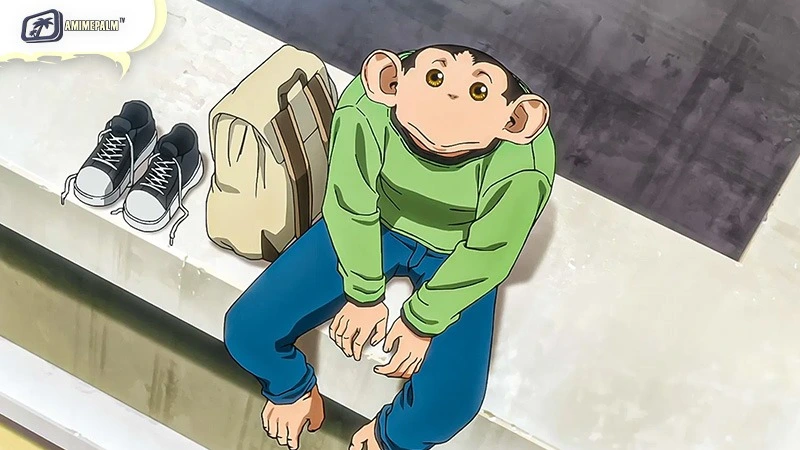
Charlie also embodies evolution vs humanity, nature vs nurture, and the ethical limits of science. He is less reactive than typical shonen protagonists. Instead, he processes events carefully, which fits the seinen tone.
Lucy Eldred – The Moral Counterweight
Lucy Eldred (voiced by Mitsuho Kambe) serves as Charlie’s connection to everyday humanity. She bridges the gap between Charlie and mainstream society. Through her, we see how a normal teenager responds to extraordinary circumstances.
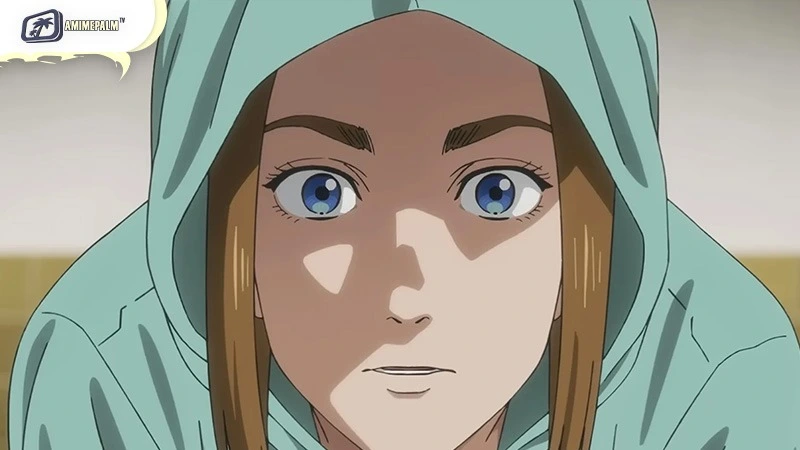
Moreover, Lucy does not exist only as support. She’s idealistic, emotionally intelligent, and morally grounded. Her actions question activism, social reactions, and institutional responses. She also represents compassion without extremism. Where ALF is radical, Lucy is humane.
The Animal Liberation Front (ALF) Members
The ALF serves as ideological antagonists, though the manga presents them with nuance. The organization, prominently the founder Rivera Feyerabend (also known as Max) and radical leaders, believes Charlie proves humanity’s cruelty.
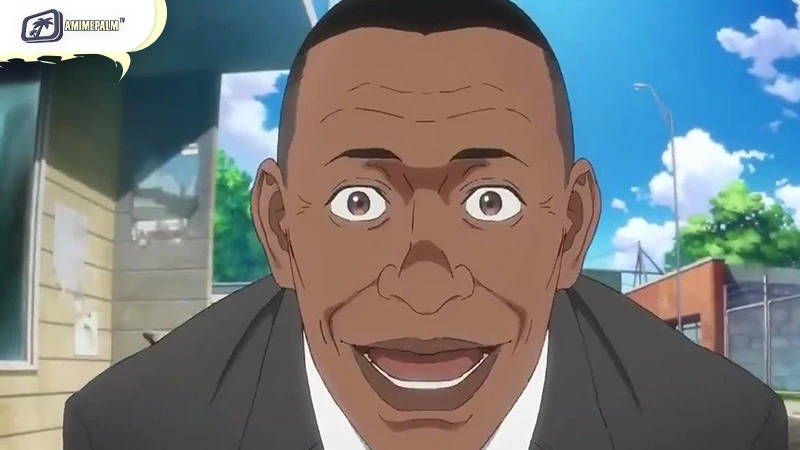
Their ideology demonstrates moral absolutism, an anti-human experimentation stance, and revolutionary framing. They see violence as justified resistance.
So are they Villains or Tragic Ideologues? Well, The Darwin Incident manga does not portray them as cartoon villains. Instead, it shows how extreme ideology can distort empathy. The story avoids direct real-world preaching but clearly reflects debates about activism and ethical boundaries. It feels like a critique rather than a satire.
Supporting Characters & Scientists
Researchers responsible for Charlie’s existence operate in moral gray zones. Some display cold rationality while others show regret. Their presence reinforces the ethical question: Does scientific progress justify risk?
Besides them, the anime features the characters in the school environment, such as Charlie’s classmates. They reflect society in miniature, where curiosity, fear, bullying, and fascination appear naturally.
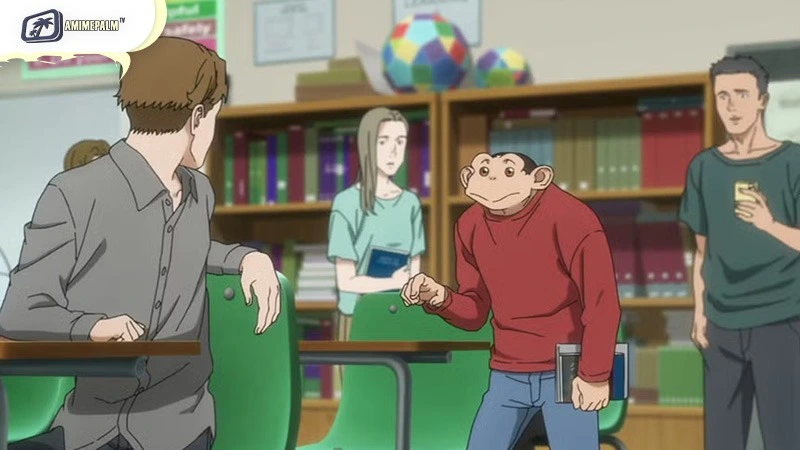
We also see how government & media figures focus on control and optics. Media sensationalism amplifies tension. These supporting roles maintain realism without overwhelming the central narrative.
The Darwin Incident Anime Quality Review & Compare
Now we evaluate the adaptation itself. In terms of visual direction, the anime maintains grounded color palettes. Character animation emphasizes subtle facial expressions over exaggerated action. Charlie’s design preserves his unsettling realism. The balance between chimpanzee traits and human features is handled carefully.
Additionally, music supports tension rather than drama. The soundtrack avoids heavy melodrama, reinforcing psychological discomfort. The adaptation also respects the manga’s deliberate pacing. Scenes breathe. Dialogue matters.
Here is a clear side-by-side comparison of strengths and trade-offs:
| Aspect | Anime | Manga |
| Visual Detail | Motion and atmosphere | Rich panel symbolism |
| Emotional Delivery | Voice acting enhances tension | Internal monologue depth |
| Pacing | Slightly streamlined | More reflective |
| Symbolism | Subtle visual cues | Dense thematic layering |
The anime captures tone effectively, while The Darwin Incident manga offers deeper internal narration. Neither format replaces the other but complements.
What People Are Saying About The Darwin Incident – MAL & Reddit
If you scroll through The Darwin Incident MAL page, you’ll quickly notice a pattern: the serious crowd is thriving. Long reviews praise the writing for being bold, layered, and unafraid to poke at uncomfortable ethical questions. Seinen fans especially love how mature and deliberate the storytelling feels.
But let’s be honest, not everyone has the patience for it. Some users clearly walked in expecting fast twists and dramatic explosions, only to find slow-burn tension and emotional weight instead.
Over on The Darwin Incident Reddit, the vibe shifts from structured critique to passionate debate. Threads argue about whether ALF is portrayed fairly, whether the politics feel balanced, and whether Charlie is tragic or terrifyingly plausible.
There are thoughtful essays, heated takes, and yes, a steady stream of “humanzee” memes. It’s divided, it’s loud, but it’s deeply engaged, which honestly says a lot about the series’ impact.
Is The Darwin Incident Worth Watching or Reading?
If you’re a seinen fan who enjoys sitting in moral discomfort and overthinking fictional ethics at 2 a.m., you’re going to love this. We recommend this show for those who prefer slow-burn tension, political gray zones, and psychological drama.
But if you need constant fights, power-ups, and loud emotional speeches every ten minutes, this might test your patience. This story moves with intention, not explosions.
All in all, we land at a confident 8.5/10. It sticks to its premise, refuses to water itself down, and respects your intelligence.
