
Imagine stepping into a death game not for revenge or thrill, but because your fridge is empty. Playing Death Games to Put Food on the Table flips the survival genre on its head, grounding every brutal round in financial desperation. The tension feels painfully real, and every decision carries emotional weight.
We’re not just watching characters fight. We’re watching them calculate survival in the harshest way possible. It’s gritty, unsettling, and strangely human in all the right ways.
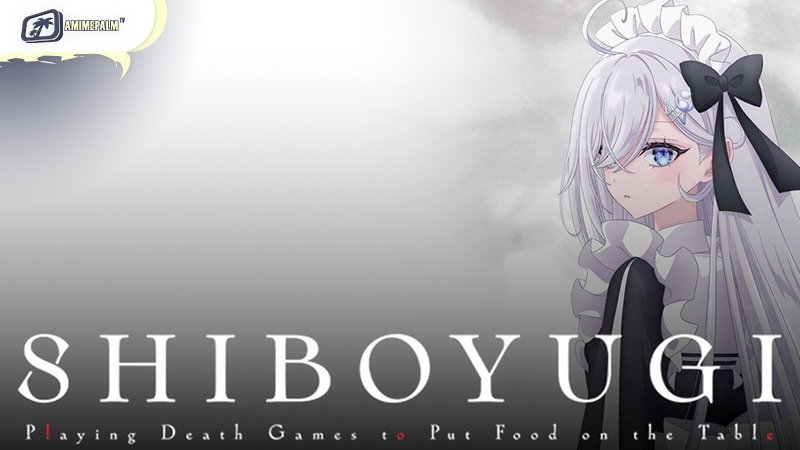
What Is Shiboyugi: Playing Death Games to Put Food on the Table About?
At its core, Shiboyugi: Playing Death Games to Put Food on the Table follows ordinary young adults forced into lethal competitive games to earn money for survival. Unlike many flashy survival series, this one frames violence as labor. Participants are not chasing thrill or ideology. They are trying to pay rent, support family, or escape poverty.
The narrative focuses on how financial desperation reshapes morality. Alliances are unstable. Trust becomes currency. Winning means survival in more ways than one. The “death game” format is familiar, but the emotional weight leans toward realism rather than spectacle.
Without revealing spoilers, Episode 1 establishes a structured game system where rules are clear, consequences are immediate, and the psychological cost grows quickly. The series balances tension with character introspection, positioning itself firmly within the psychological thriller and social commentary space.
Quick Reference Overview
- English Title:Playing Death Games to Put Food on the Table
- Japanese Title:Shiboyūgi de Meshi o Kuu (死亡遊戯で飯を食う)
- Japanese Title Meaning: “Shiboyugi” can be interpreted as a “desperate life-risking game,” reinforcing the survival theme tied to economic hardship.
- Genre: Psychological Thriller, Survival Drama, Social Commentary
- Subgenre: Economic Survival / Death Game
- Format: TV Anime Adaptation
- Original Source: Light Novel by Yushi Ukai (Published by MF Bunko J)
- Animation Studio:Barnum Studio (Production) / Project No.9 (Animation)
- Release Year: Premiered January 2026
- Director: Ittōmaru (Note: Ittōmaru is the original illustrator and is heavily involved in the anime’s creative direction).
Official Trailer:
A main promotional trailer (PV) highlighting protagonist Yuki and key themes was released ahead of the broadcast, showcasing the series’ tense survival setup and visual tone.
The anime adaptation focuses on visual tension and pacing, while the novel version explores internal monologue and character psychology in greater detail. The adaptation condenses some inner conflict for screen impact.
Within the broader death-game genre, alongside titles like Squid Game or Alice in Borderland, this series emphasizes economic survival over mystery spectacle.
Character Guide – Who’s Who in Shiboyugi?
When discussing the Playing Death Games to Put Food on the Table characters, we need to look beyond surface archetypes. The cast functions as social commentary rather than simple genre roles.
Yuki Sorimachi – Protagonist Analysis
Yuki Sorimachi (voiced by Hina Hanatani) stands at the emotional center of the story. Psychologically, Yuki operates between empathy and survival instinct. She is not fearless; she is cornered. Her motivation is economic necessity, not glory. This grounding gives her moral hesitation real weight.

Key Character Dimensions:
- High emotional intelligence
- Financial desperation as motivation
- Moral conflict between cooperation and self-preservation
- Gradual emotional hardening
Yuki’s development potential lies in how long she can maintain compassion. The series frames her as someone who wants to protect others, yet the system punishes idealism.
Supporting Cast
Aoi is a cautious newcomer who struggles to balance fear with survival instinct, often advocating strategic retreats over risky gambles.
Kinko is cheerful but sharp-minded. She uses quick thinking to navigate traps and subtly influence group decisions.
Kokutō is a stoic and silent presence whose unwavering focus makes her both reliable and unnerving in tense moments.
Beniya is a seasoned participant with a calm exterior, often serving as a mediator during conflicts and assessing threats with precision.
Momono is warm-hearted and empathetic. She pushes for alliances based on trust, even when logic suggests otherwise.

These characters help shape the group dynamic and thematic depth of the death games, each reflecting a different way individuals cope with fear, cooperation, and survival under pressure.
Antagonistic Forces & System Design
The primary antagonist is structural. The organizers remain distant, reinforcing institutional cruelty rather than personal villainy. This distinction matters.
Instead of a single evil mastermind, the system itself becomes the villain. It’s an economic machine that monetizes desperation. This design adds realism and avoids melodrama.
We avoid major spoilers here, but the show clearly critiques exploitative systems rather than focusing solely on individual cruelty.
Anime Episode 1 Review (Spoiler-Light)
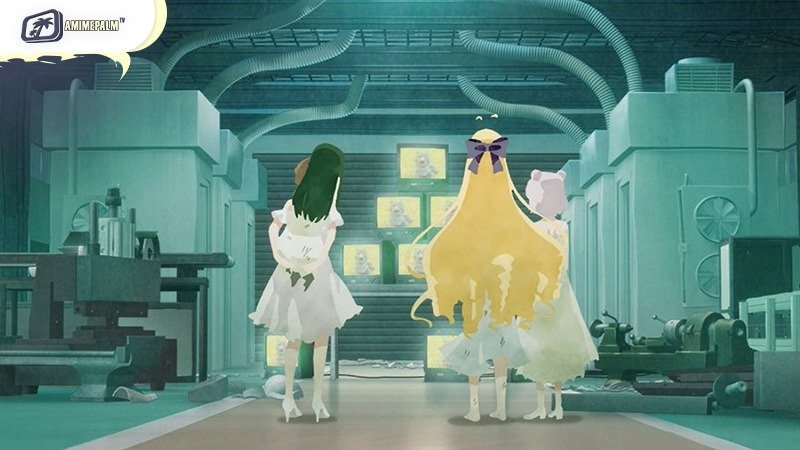
Episode 1 sets the tone through controlled pacing rather than immediate chaos. The opening scene frames urban hardship before introducing the game mechanics. This grounding builds emotional context.

Opening Scene & Tone Establishment
The first act uses muted colors and restrained music to emphasize realism. Rather than dramatic shouting, tension rises through silence and uncomfortable pauses. The emotional framing centers on necessity. We feel why characters agree to participate.
Animation, Direction & Sound Design
Episode 1 keeps things restrained and grounded. The character designs stay consistent, with muted colors that reflect the series’ economic struggle theme. Action scenes avoid flashy choreography and instead focus on tension. The small movements, pauses, and reactions carry weight.
Background art leans into urban realism, making everyday settings feel heavy and lived-in. The soundtrack is subtle, using silence and minimal scoring to build discomfort rather than forcing emotion. Voice performances are controlled and natural, especially in high-stress moments.
Overall, the direction favors atmosphere over spectacle. It may feel slow for viewers expecting explosive twists, but we appreciate how it supports the psychological tone of the series without exaggeration.
How Does It Compare on MAL and IMDb?
When audiences search for Playing Death Games to Put Food on the Table MAL score, they are usually looking for community validation.
Reception trends indicate:
- Strong engagement from psychological thriller fans
- Mixed reaction from viewers expecting high-speed action
- Positive commentary on thematic ambition
Below is a genre-based comparison table using publicly listed scores at the time of writing.
| Title | MAL Score (needs direct MAL/API pull) | IMDb Rating |
| Squid Game | — | 7.9/10 |
| Alice in Borderland (Netflix live-action) | — | 7.7/10 (avg) |
| Kaiji: Ultimate Survivor | — | 8.2/10 |
| Shiboyugi: Playing Death Games to Put Food on the Table | — | 6.8/10 |
Scores fluctuate, so we recommend checking official MAL and IMDb pages directly for updated numbers.
In general, audience reviews emphasize thematic depth over spectacle. This aligns with how Shiboyugi positions itself in the survival genre.
Final Verdict – Is It Worth Watching?
So, is ShiboyugiPlaying Death Games to Put Food on the Table worth your time?
We believe it is ideal for:
- Viewers who enjoy psychological tension
- Fans of economic or social commentary
- Audiences who prefer grounded realism over flashy action
Its top strengths include a clear thematic focus, strong protagonist psychology, structured game mechanics, and consistent tone. Meanwhile, its weaknesses are slower pacing, limited visual spectacle, and heavy emotional atmosphere.
We rate its rewatch value as moderate, especially for thematic analysis. Also, the long-term potential is strong if future episodes expand systemic critique.
Our Rating: 8/10
In conclusion, Playing Death Games to Put Food on the Table stands out by turning survival into social critique. It may not be the loudest title in the genre, but it is one of the more intellectually engaging ones. If you value substance with tension, this series deserves a spot on your watchlist.
